

From the moment you meet those tiny fingers and toes, keeping your little one safe becomes a pretty big part of your world. And then they start rolling, crawling, grabbing, standing—and somehow finding every cabinet, cord, and crumb you didn’t realize was within reach.
The good news? A little preparation can go a long way. Whether you’re getting ready for your first baby or trying to keep up with an increasingly curious explorer, these baby safety tips can help you feel more prepared at home, in the car, and everywhere in between.
How Can You Make Your Home Safer for a Baby?

Start Babyproofing from Their Point of View
When it comes to babyproofing your home, think like your baby. Literally.
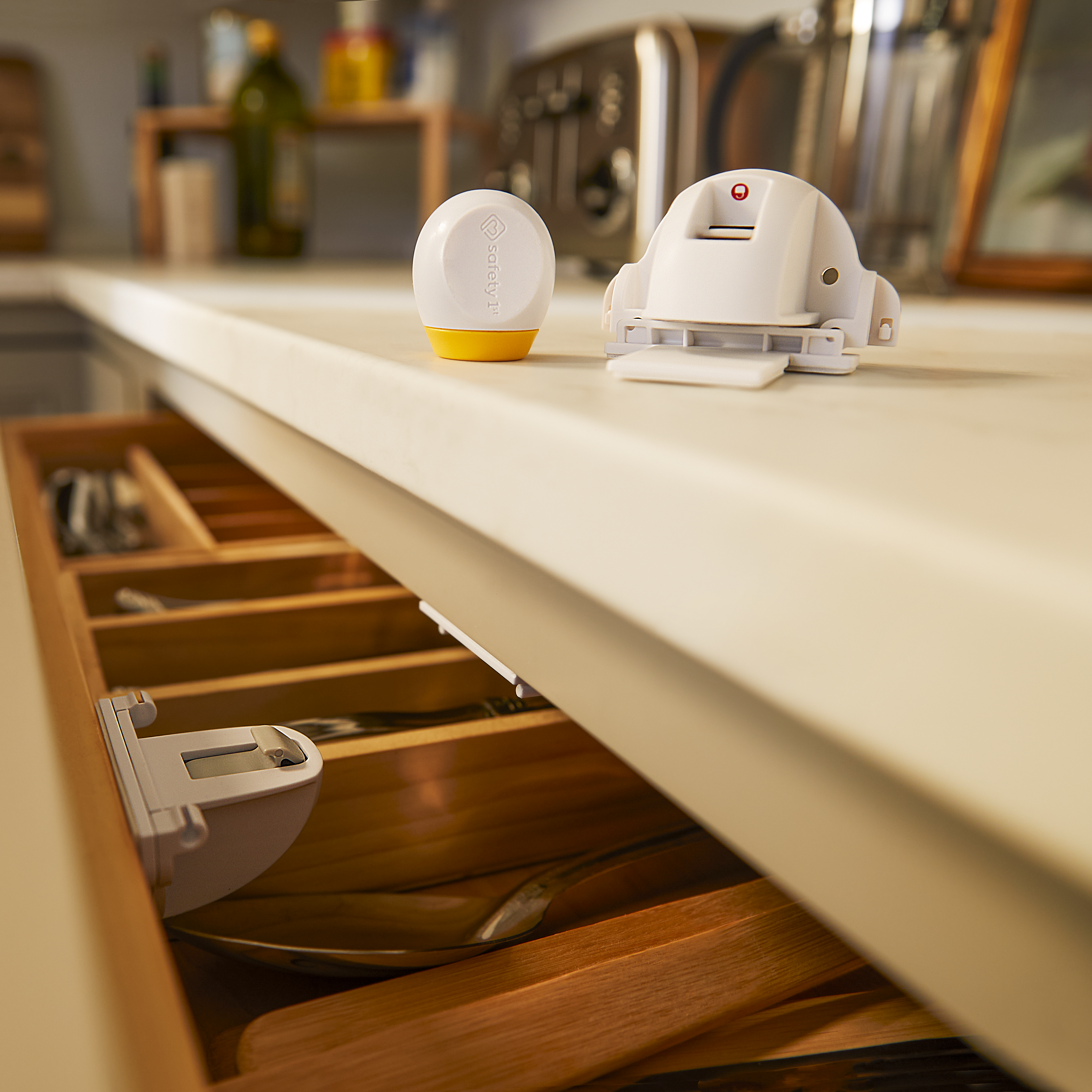
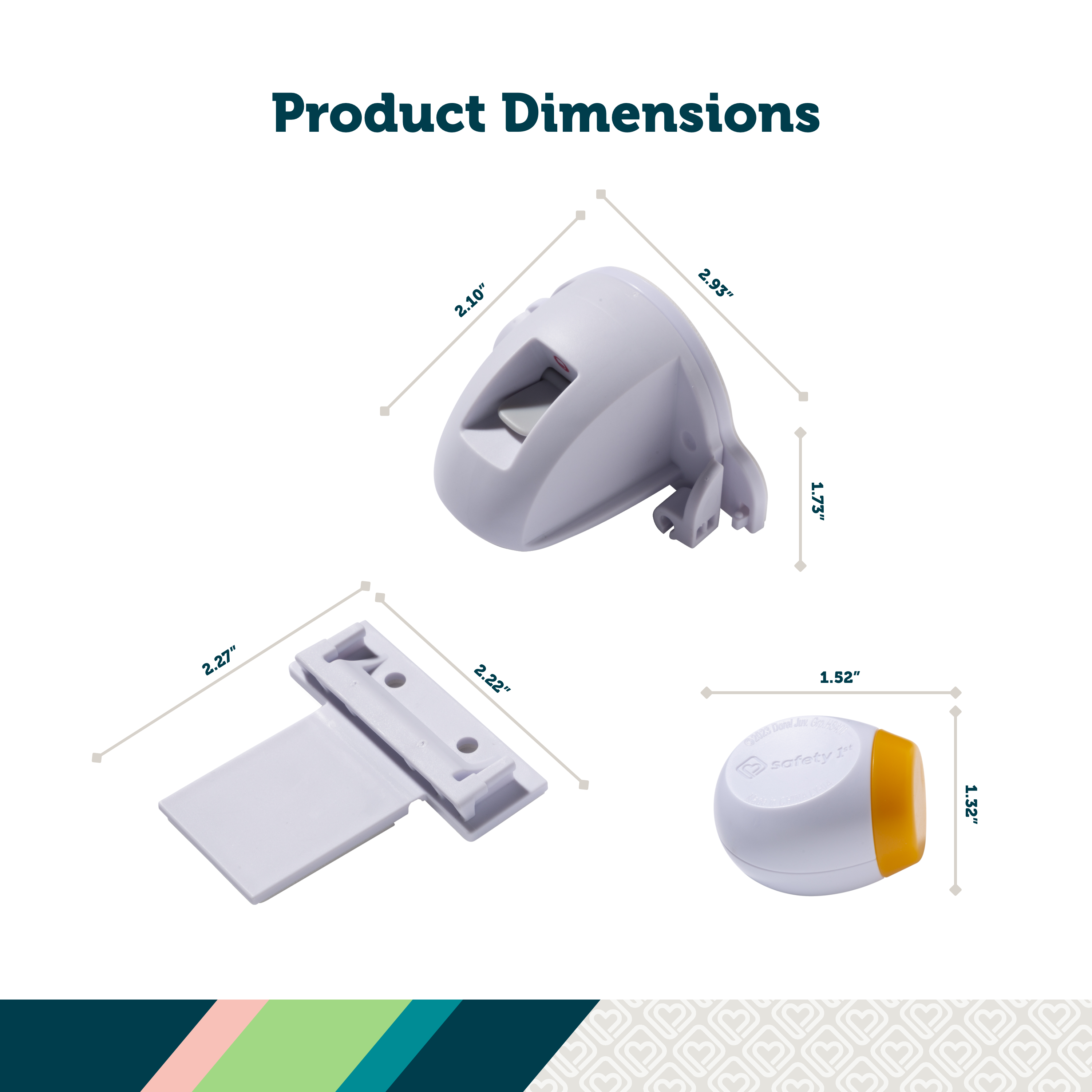
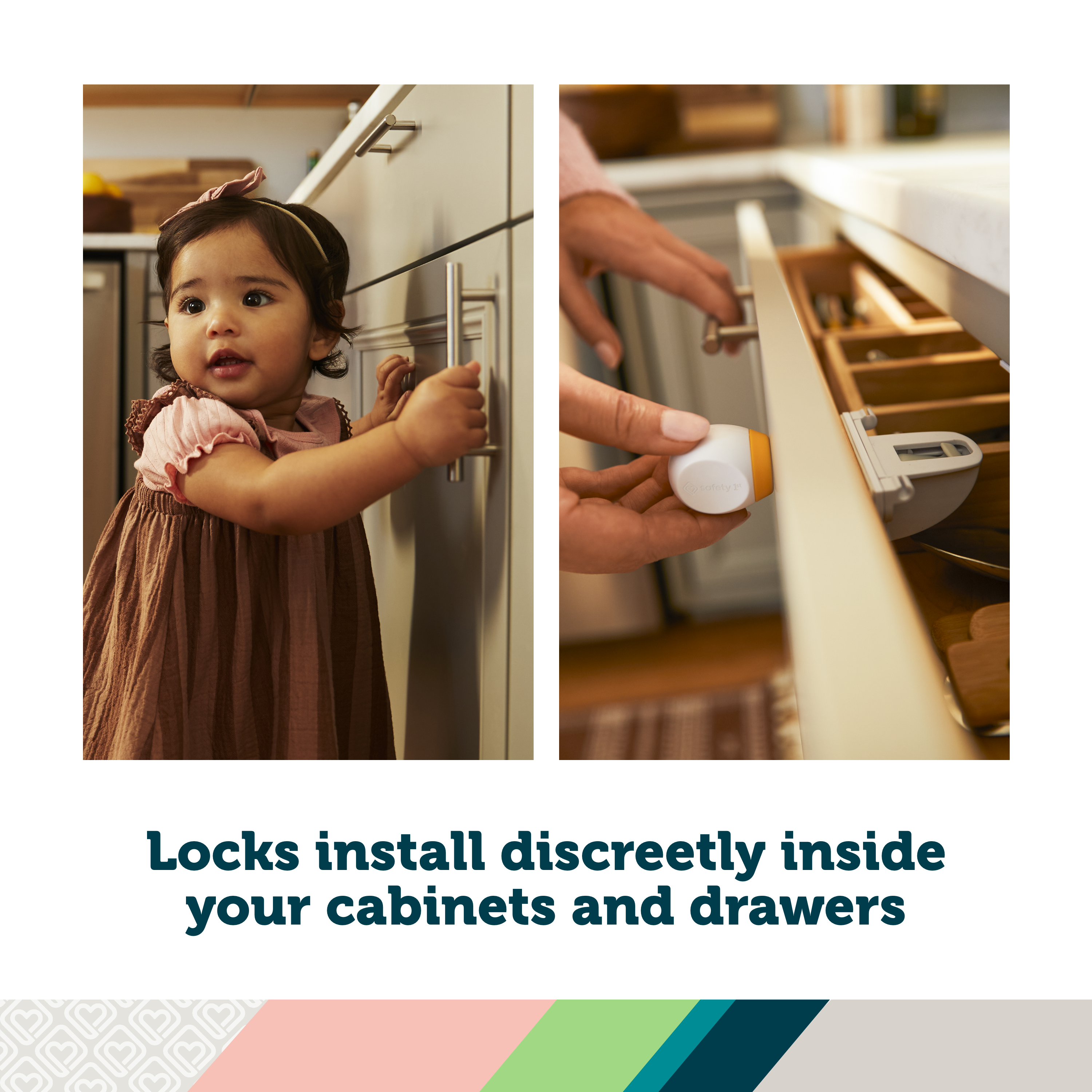
Get down on your hands and knees and look around from their perspective. What can they reach? What can they pull? Which sharp corners, cords, cabinets, outlets, or other potential hazards suddenly become much more noticeable from floor level?
Taking a baby’s-eye view can help you spot areas that may need a little extra attention before your little one gets there first.
Keep Babyproofing as Your Child Grows
Babyproofing isn’t a one-and-done project. As babies learn new skills, the areas they can reach—and the trouble they can find—change too.
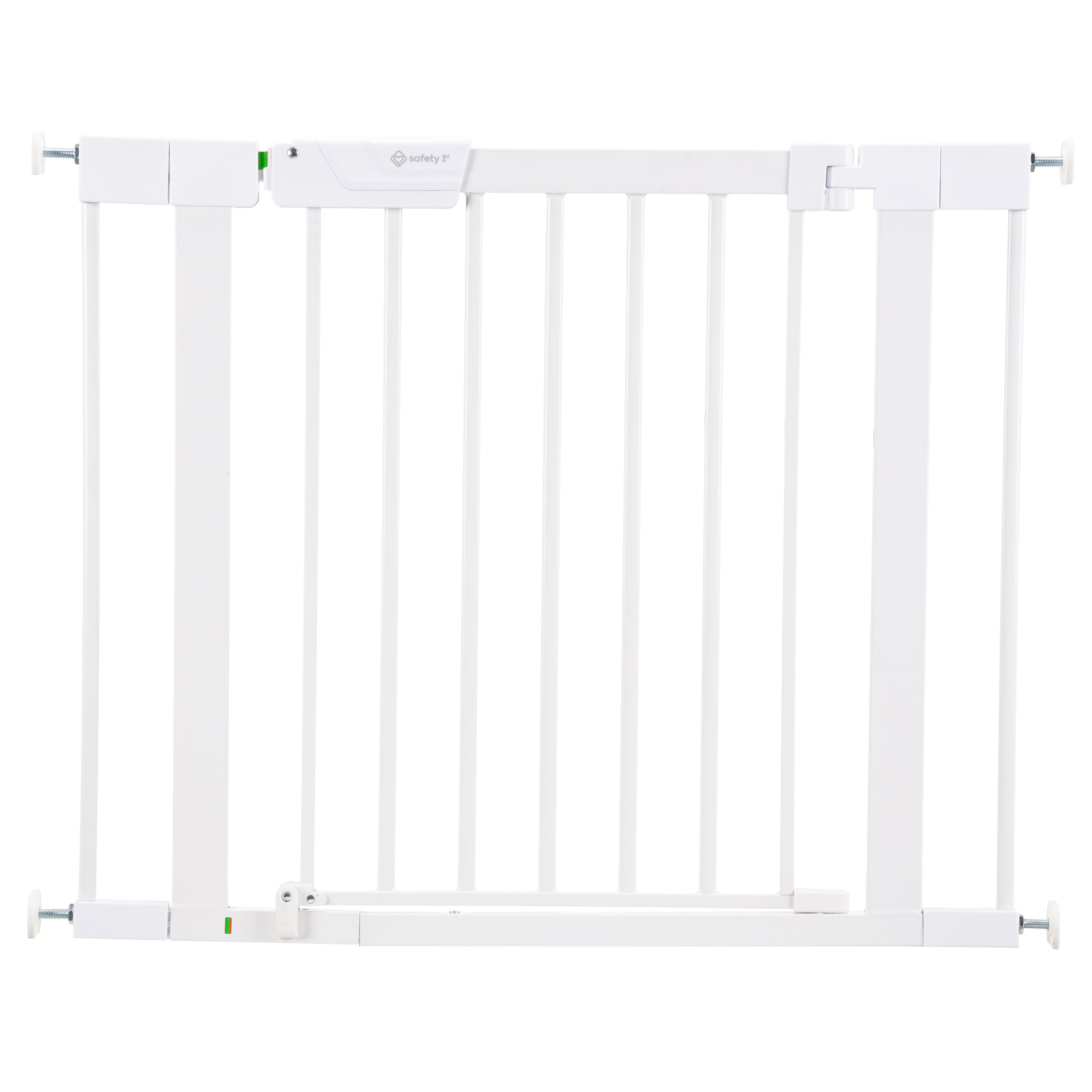
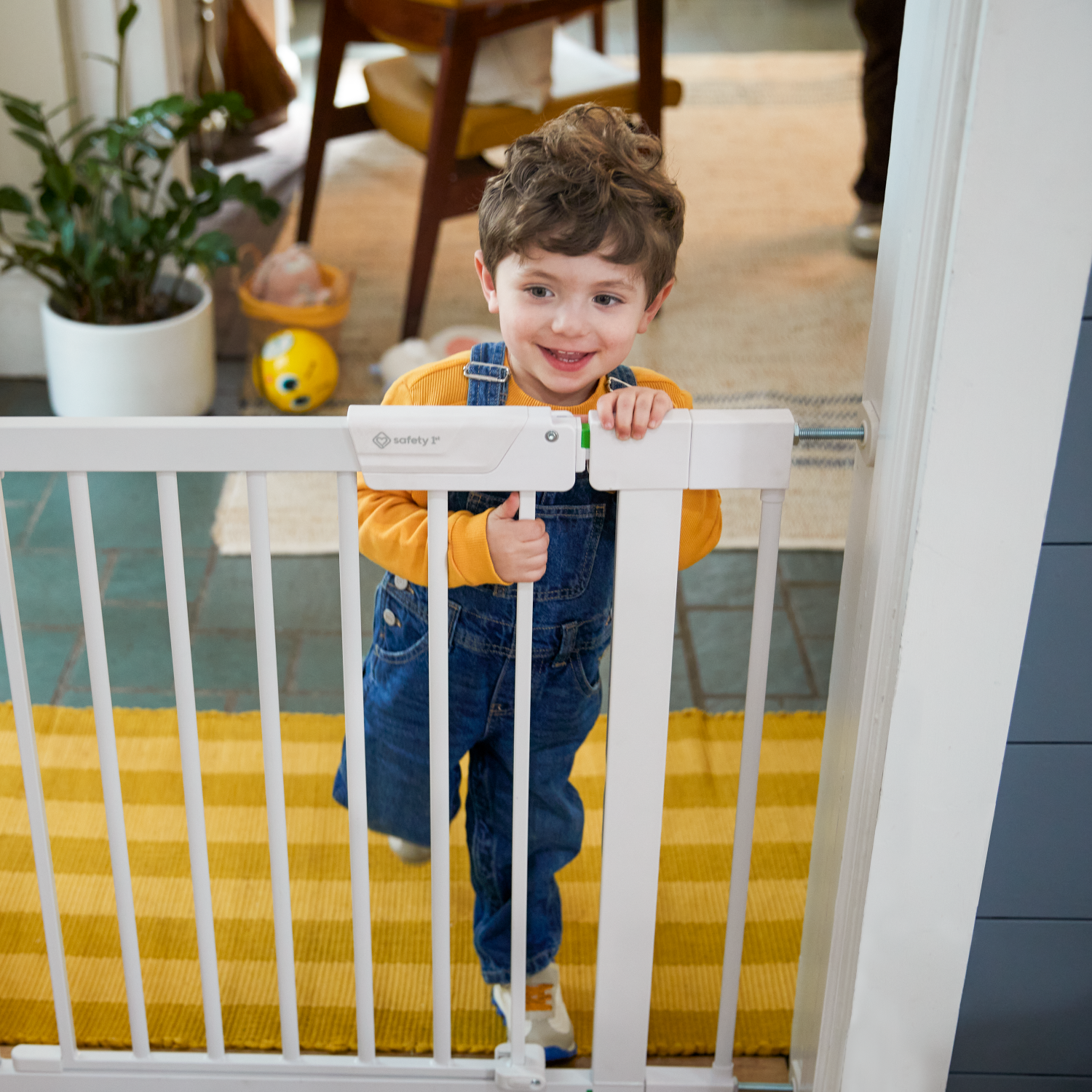
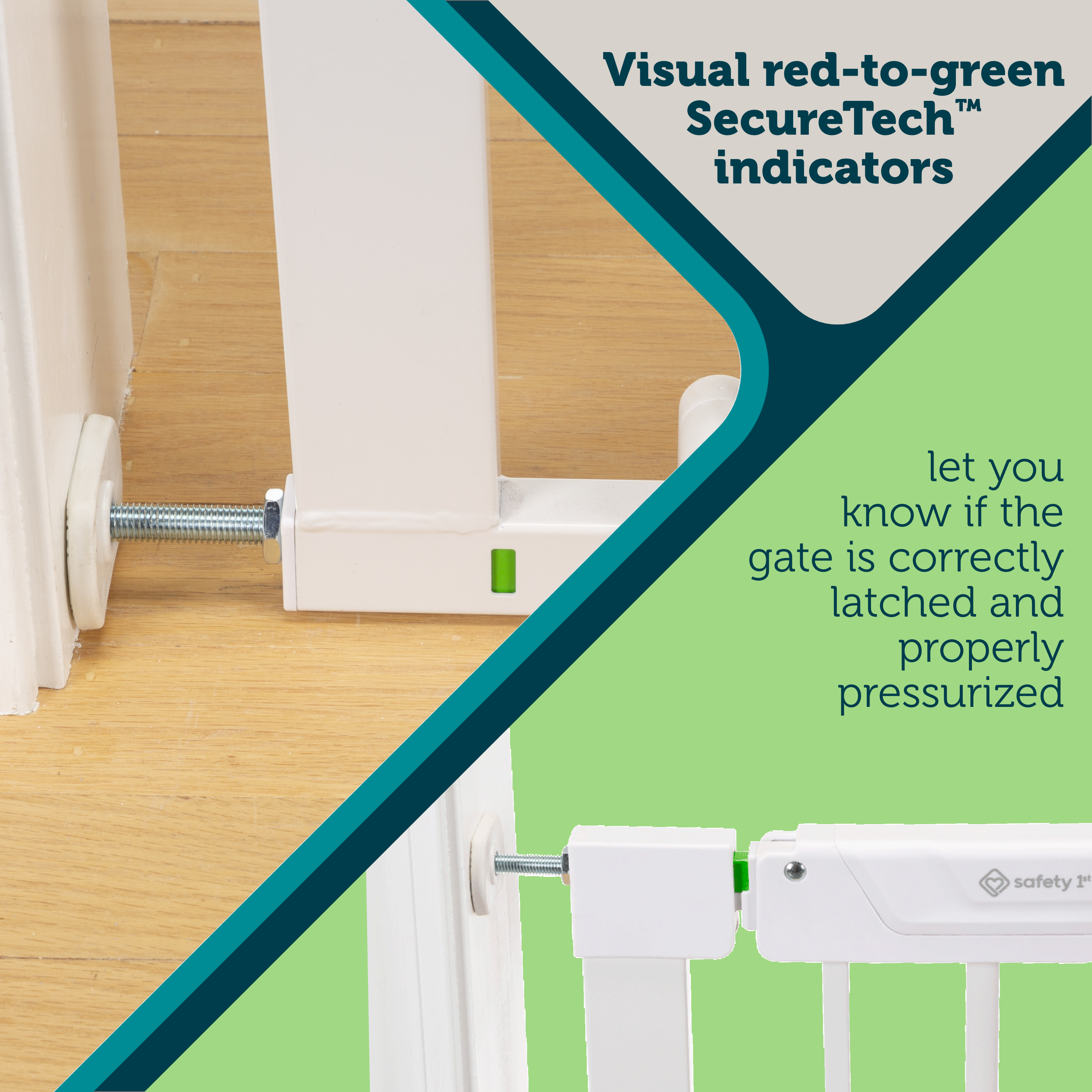
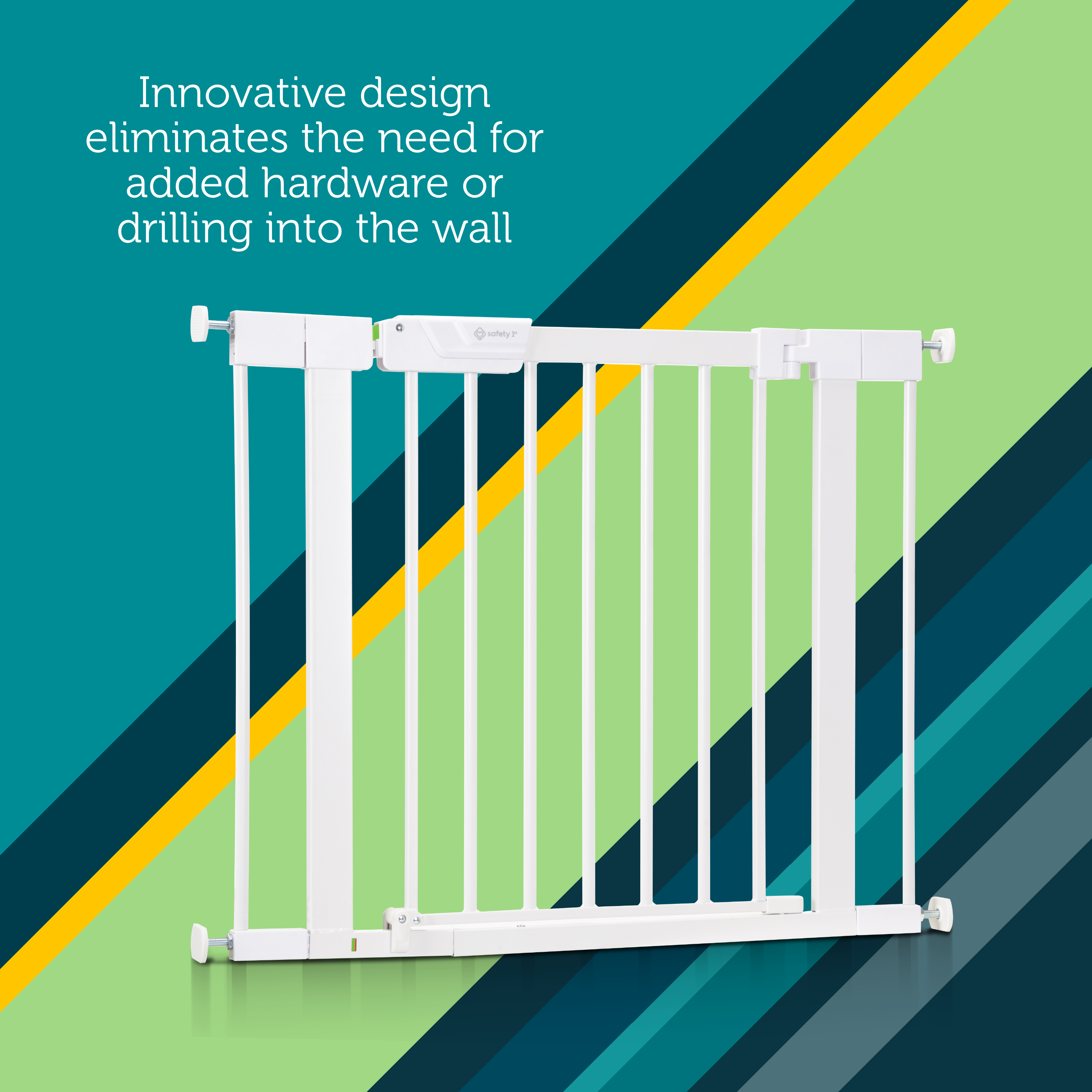
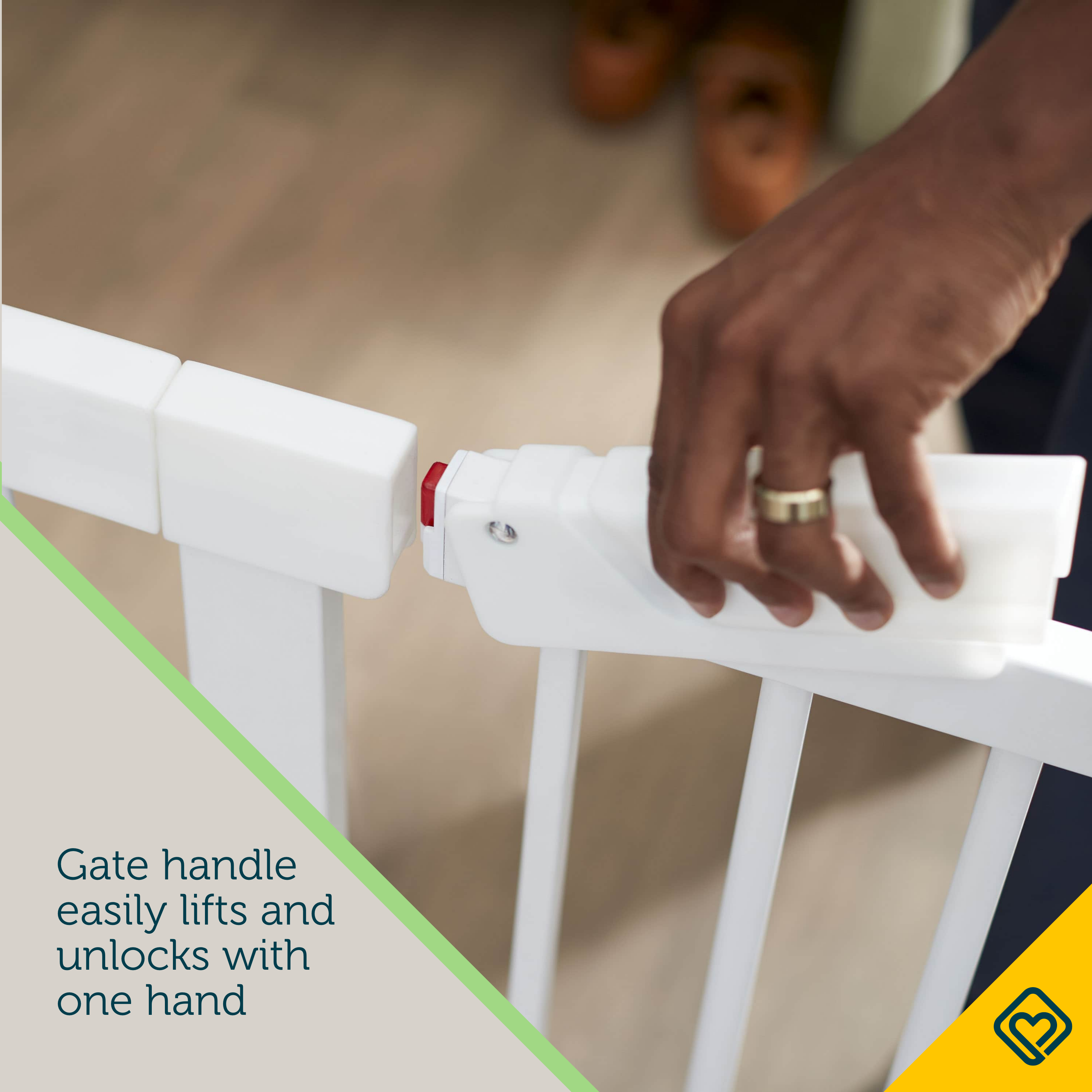
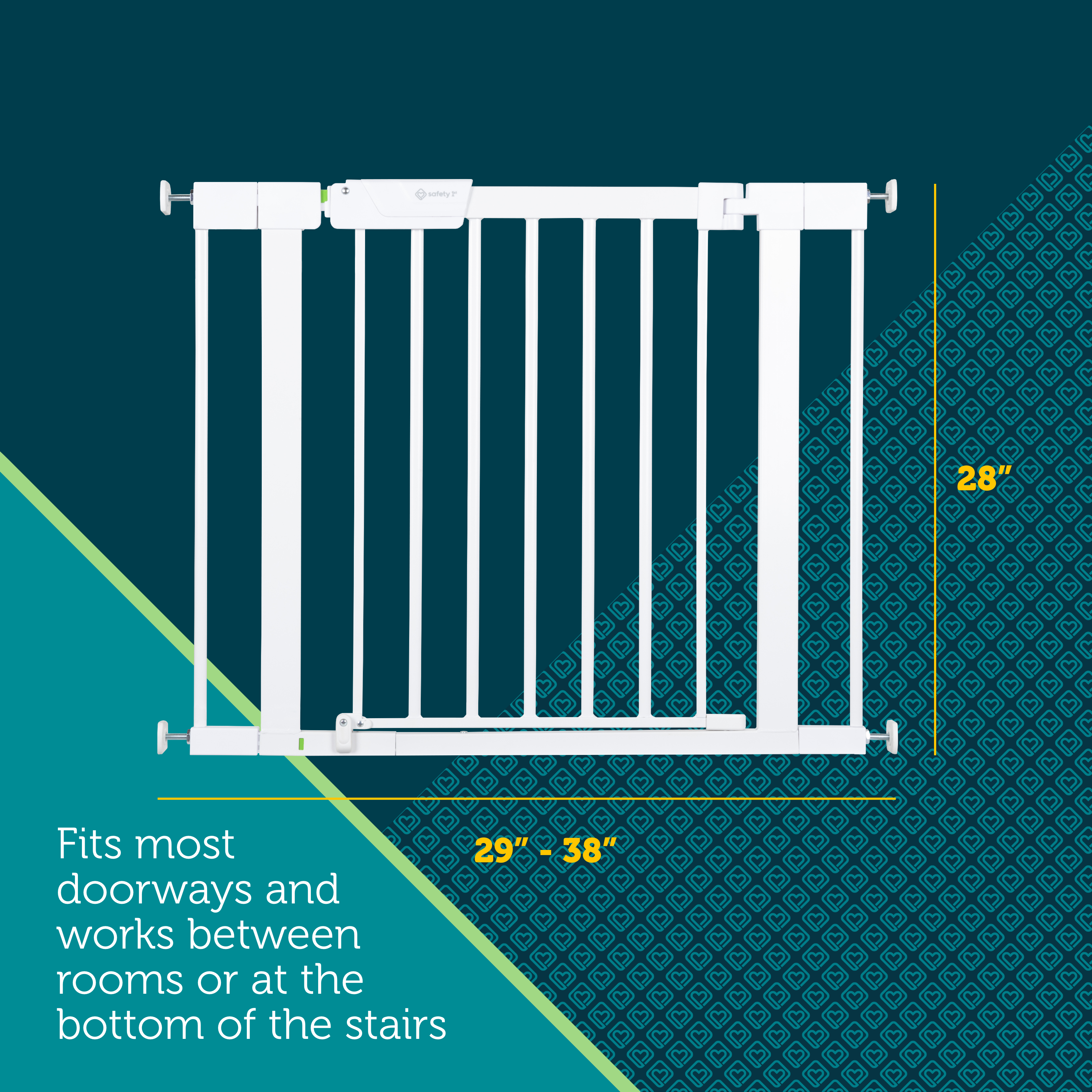
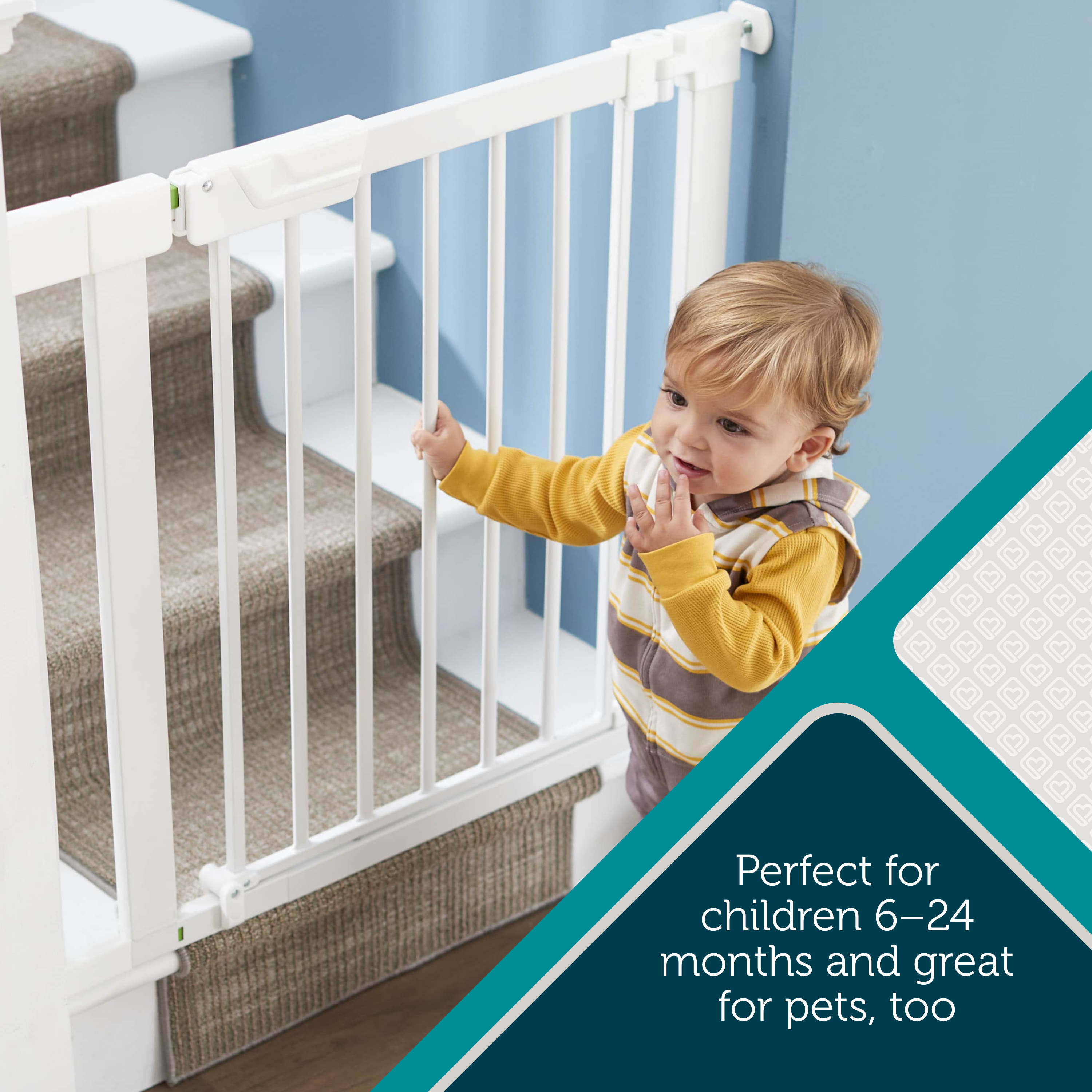
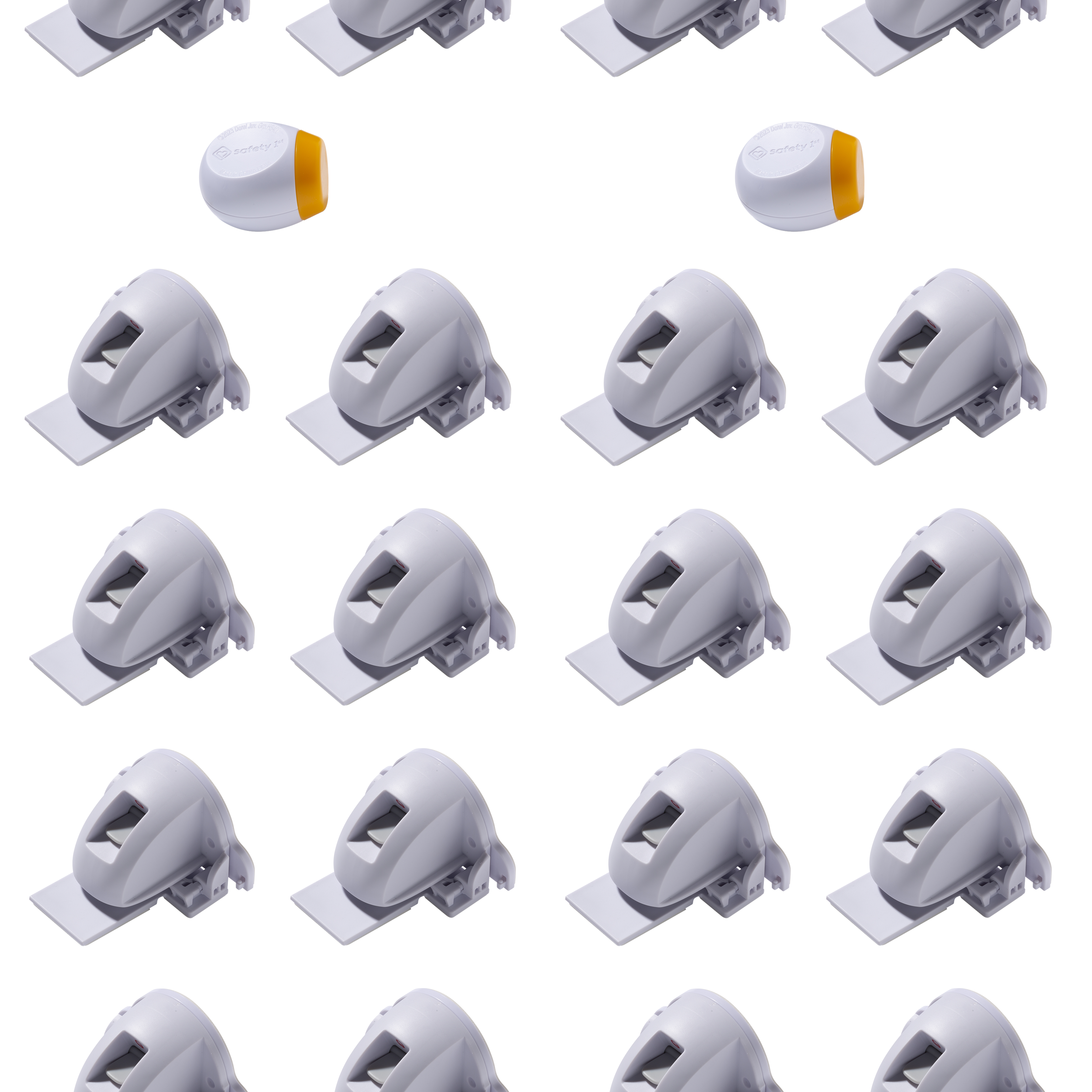
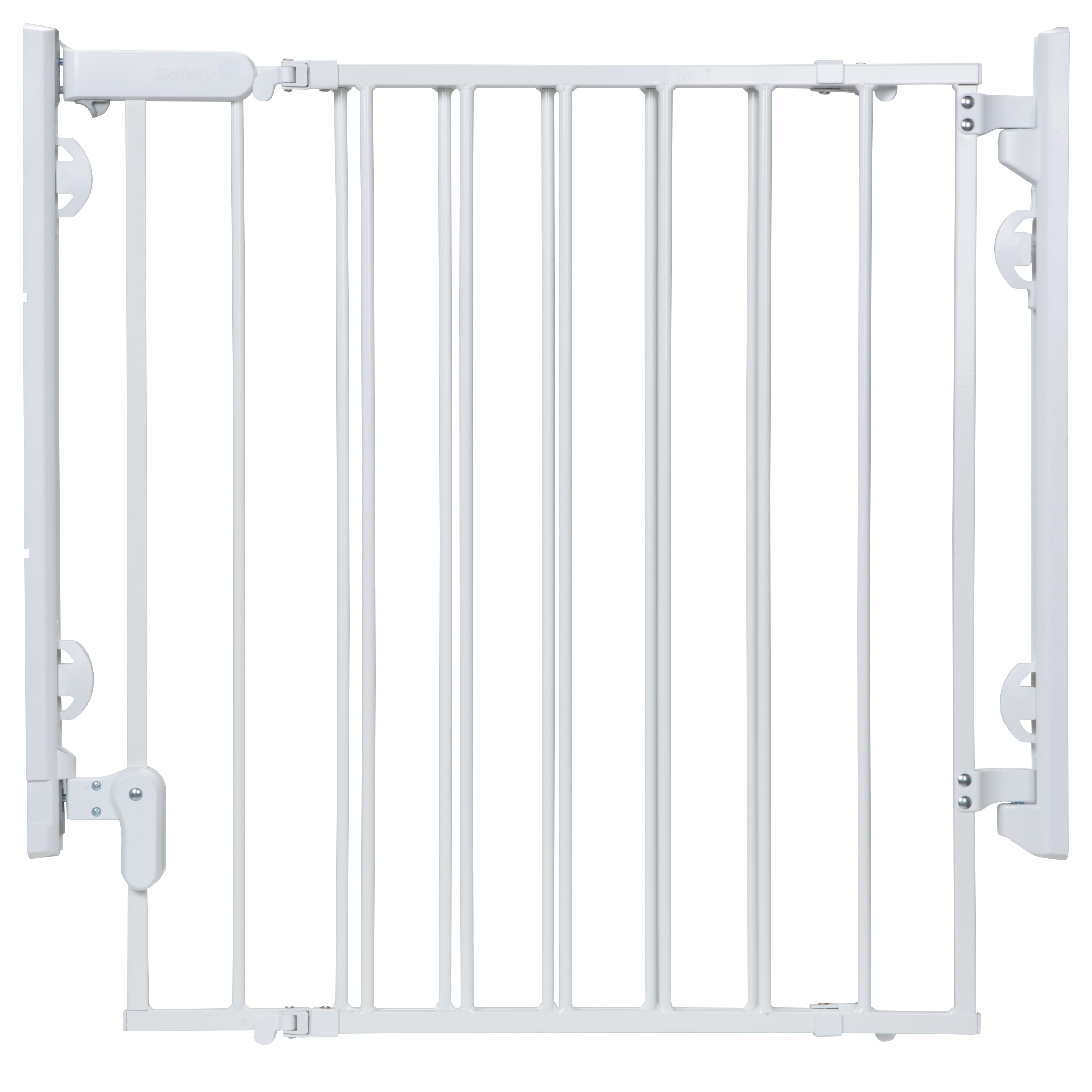
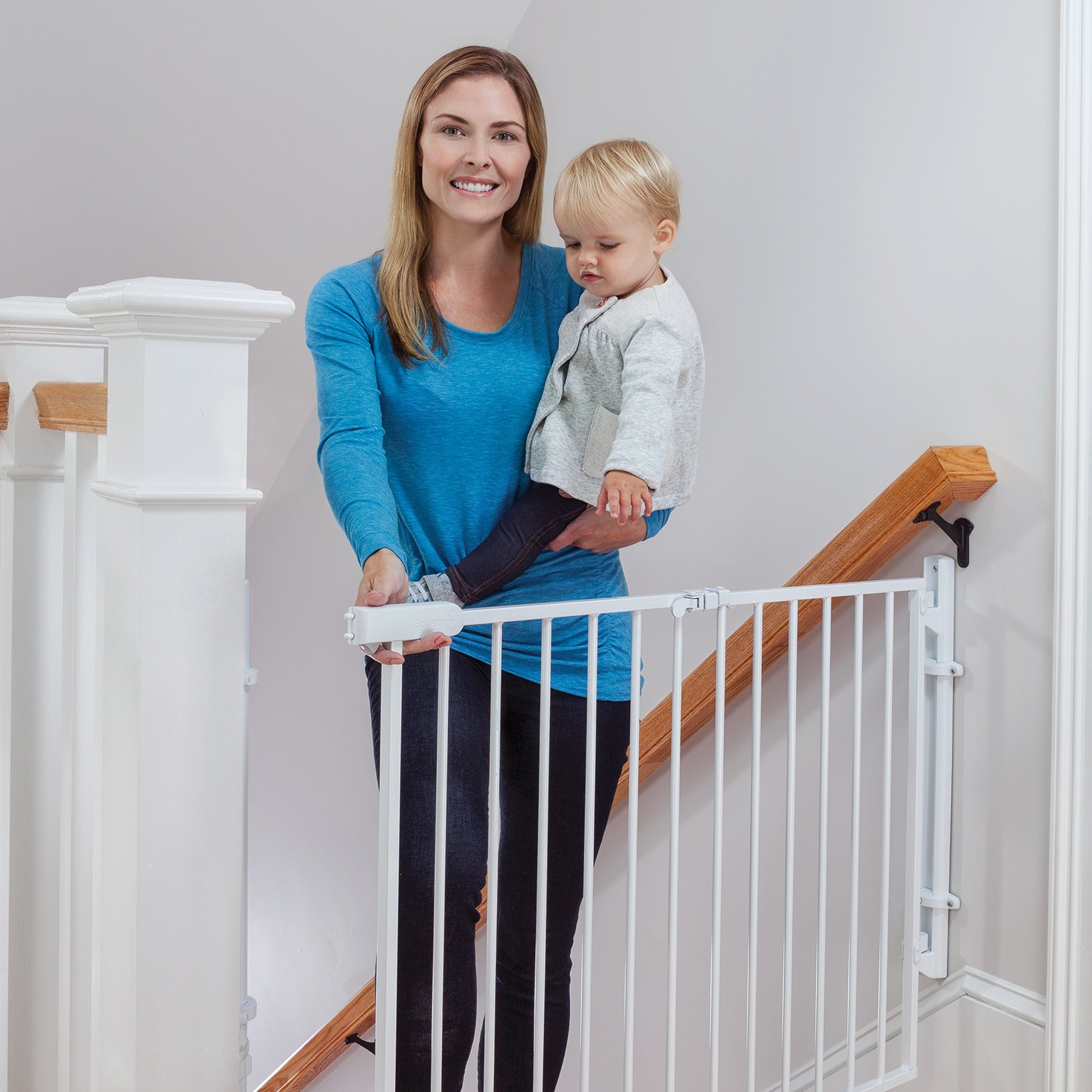
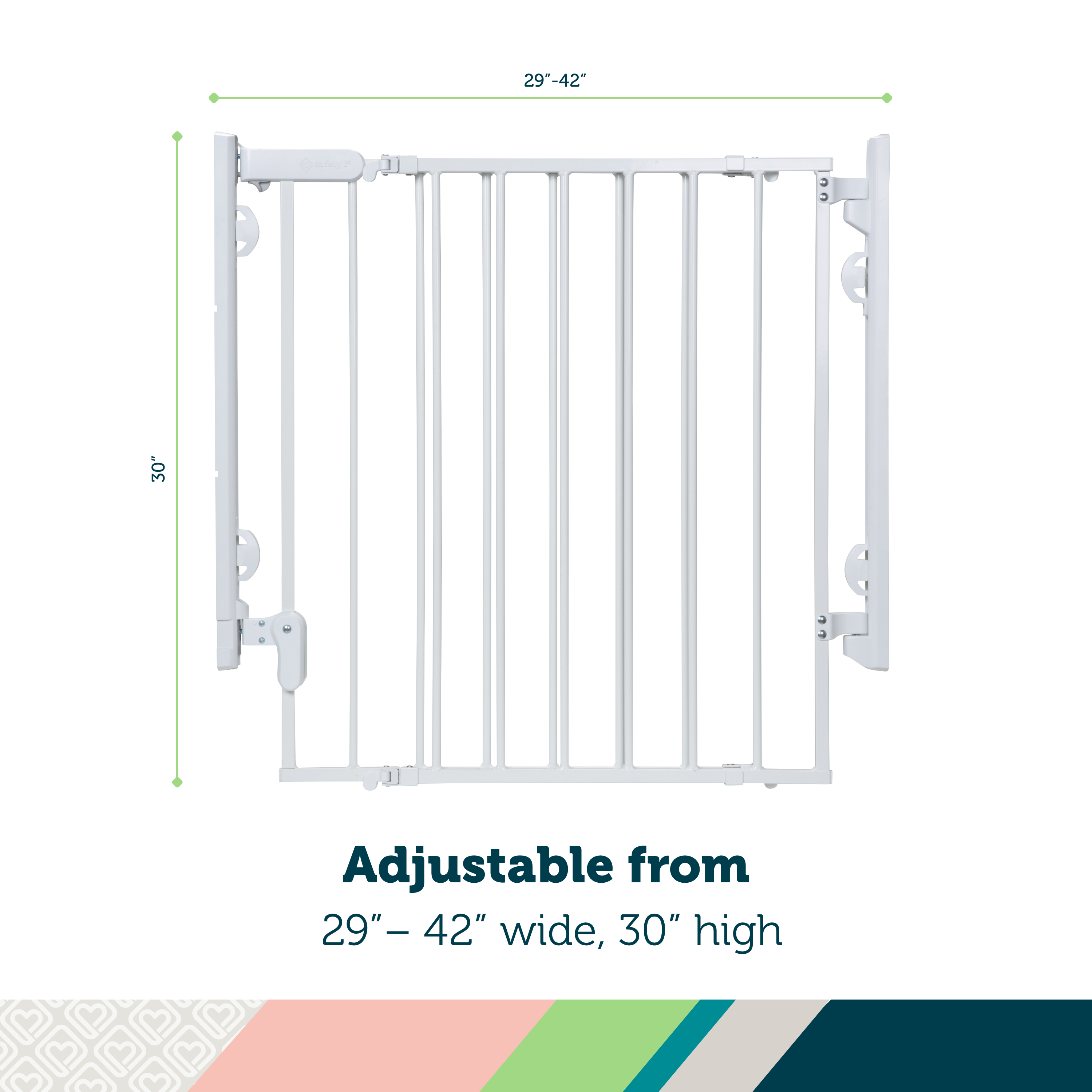
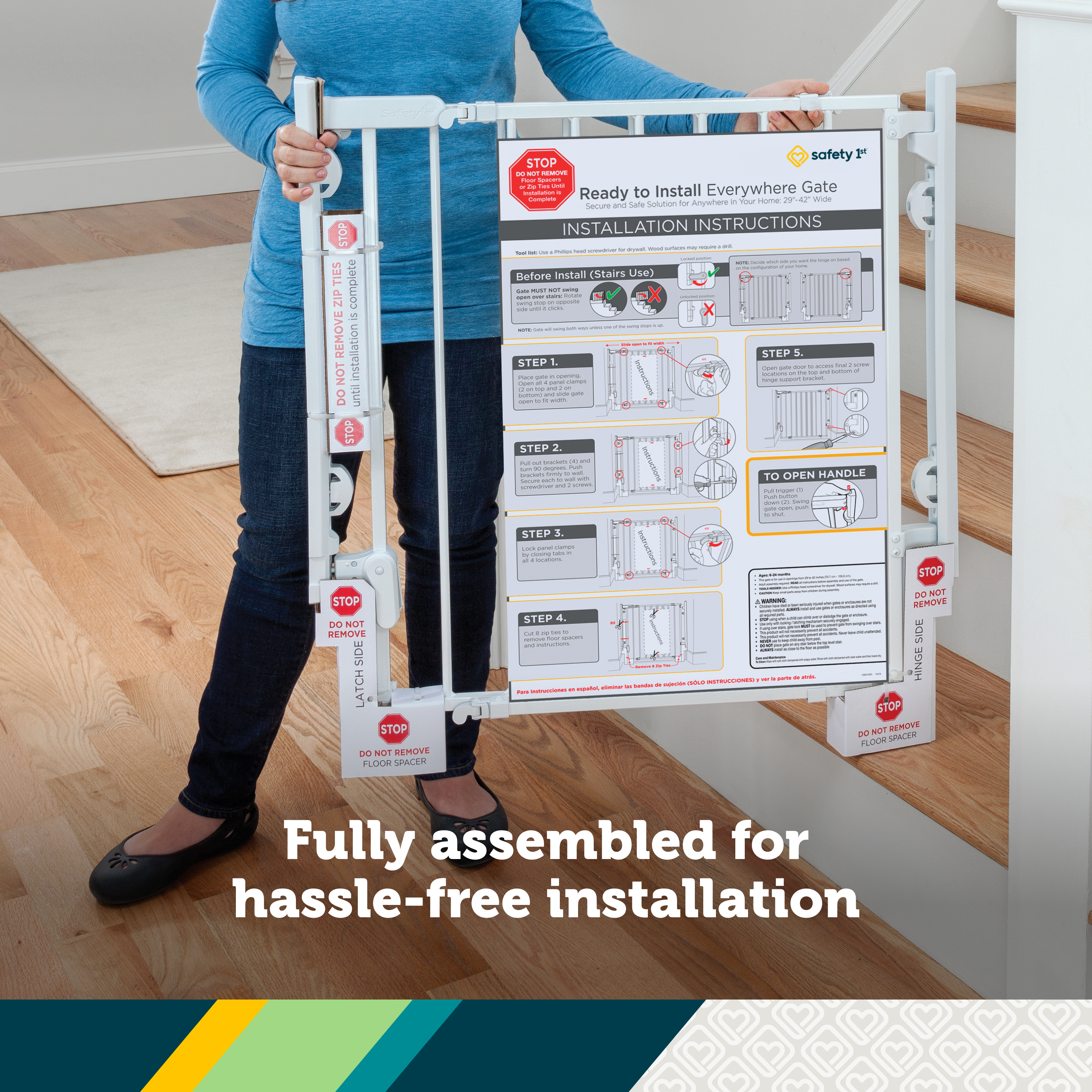
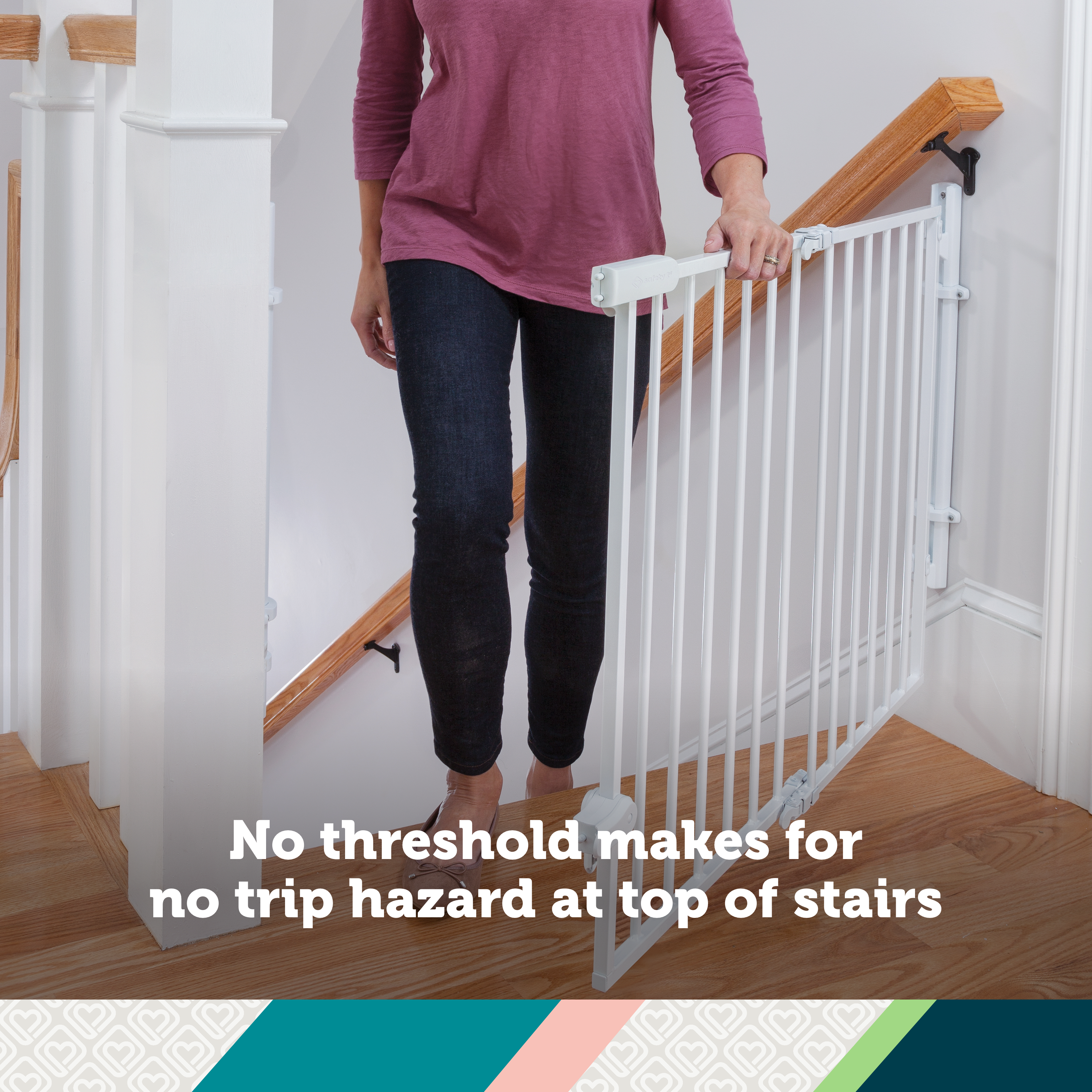
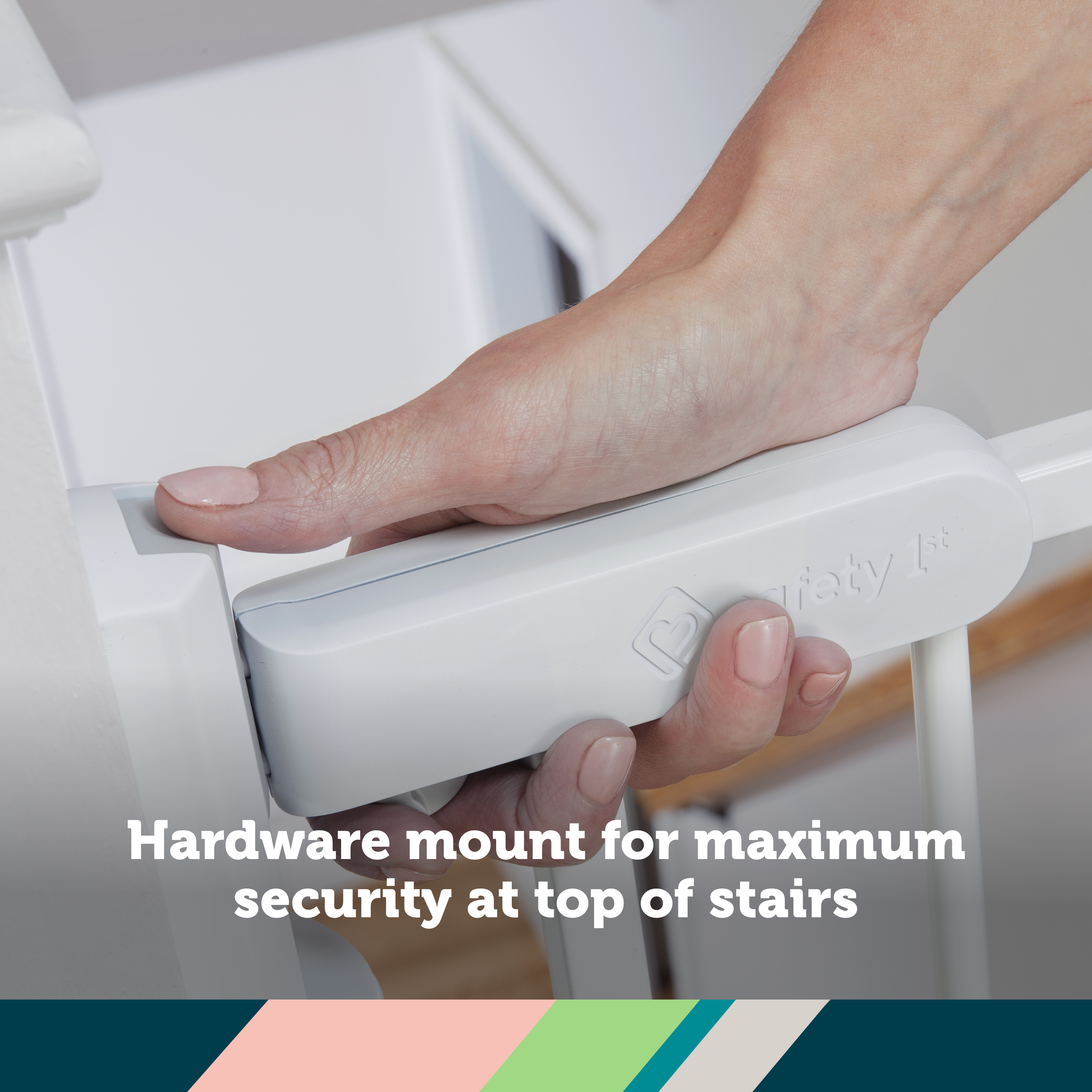
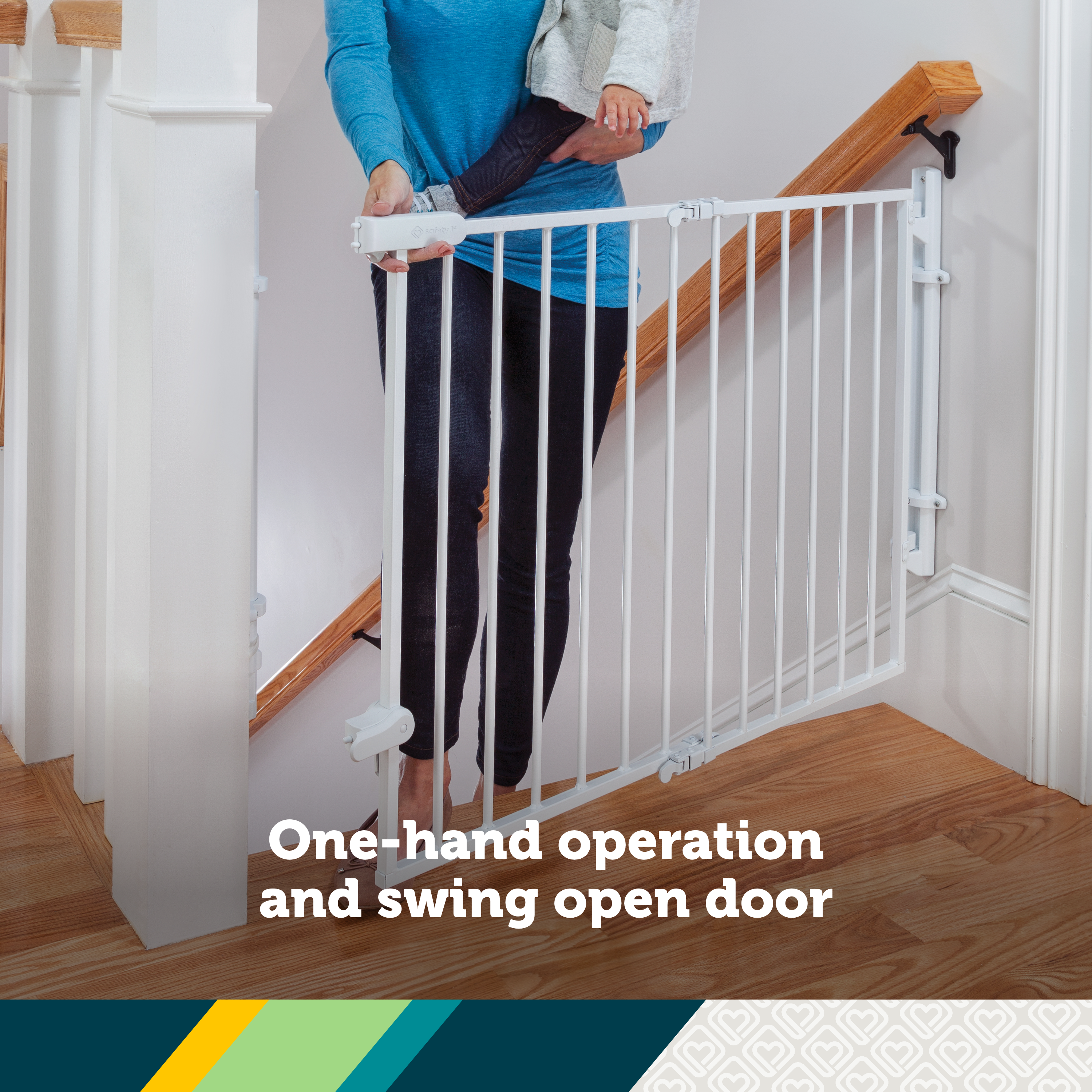
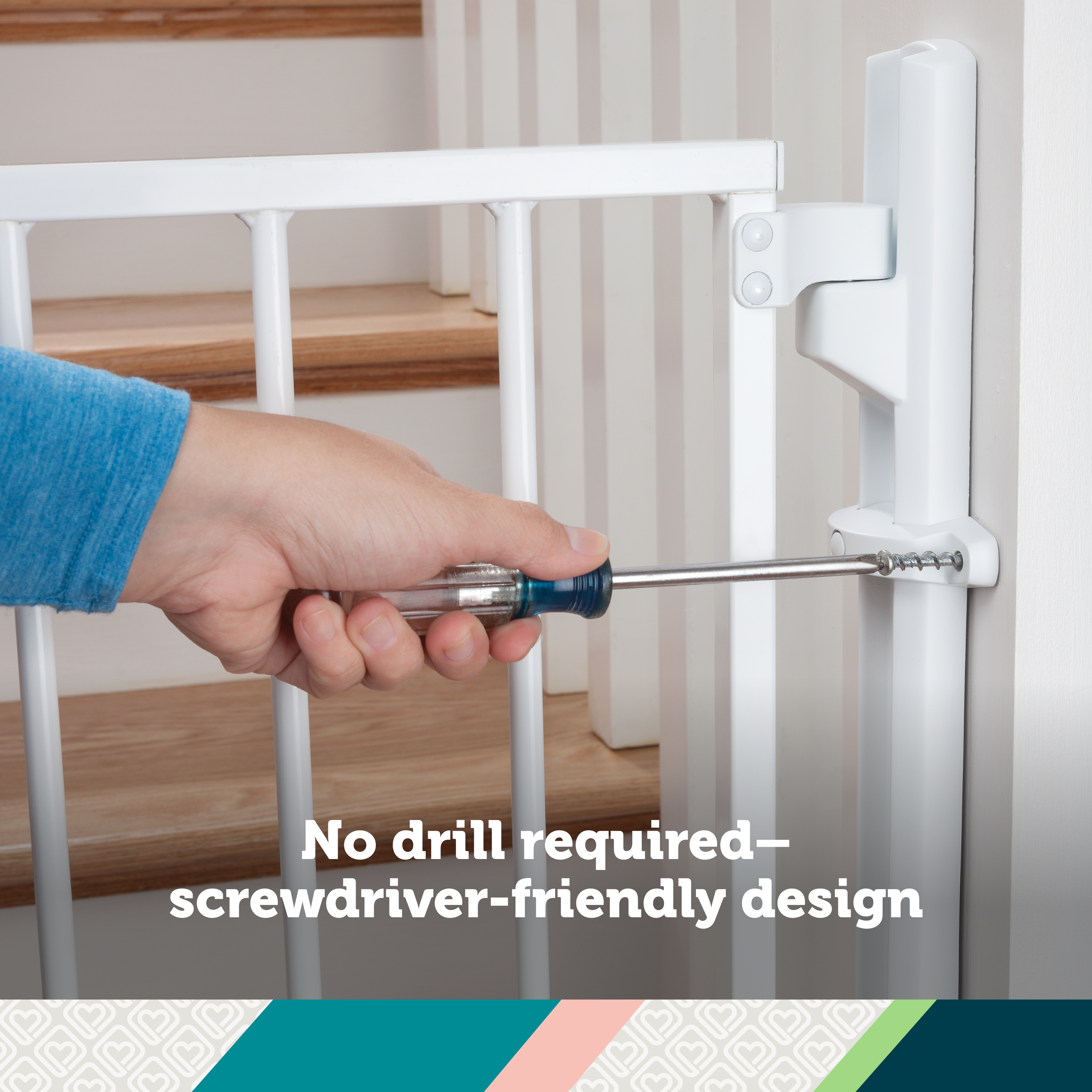
When your little one starts crawling, that might mean installing baby safety gates near stairs or other off-limits spaces. Once they’re standing and exploring doors, doorknob covers can help keep certain rooms out of bounds.
The goal is simple: keep adjusting your home as your little explorer reaches new milestones.
Register Your Baby Products
Once you bring a new baby product home, take a moment to register it with the manufacturer. Product registration can help make sure you’re notified about recalls and can make it easier to resolve potential product issues.
It’s one small task that can help you stay informed long after the box is unpacked.
What Should Parents Know About Baby Bath Safety?
Before putting your baby in the bath, always check the water temperature. Water that feels comfortable to an adult may still be too hot for your little one.
Keep the water temperature below 120°F and consider using a temperature guard in the bath to help you quickly tell when the water needs to cool down.
And, of course, bath time is always a hands-on activity—keep your little one within reach and supervised.
Should Babies Be Left Alone in Swings, Bouncers, or Activity Centers?
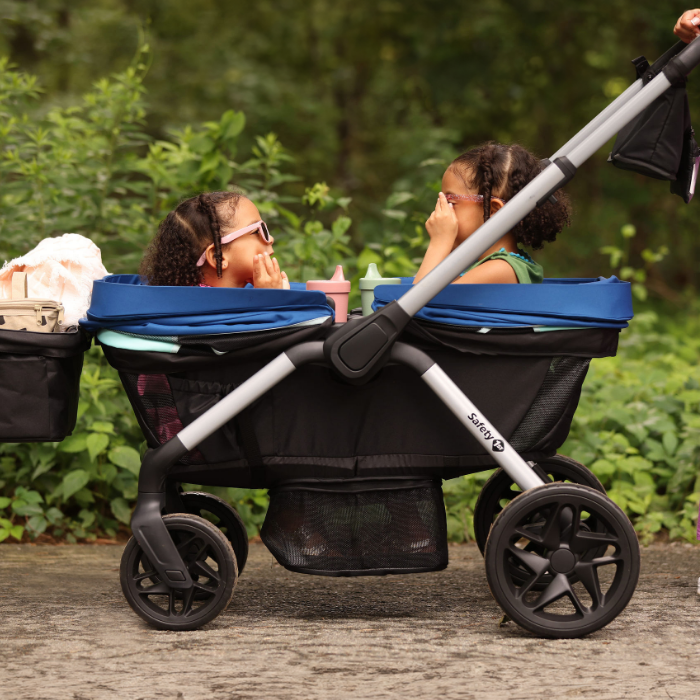
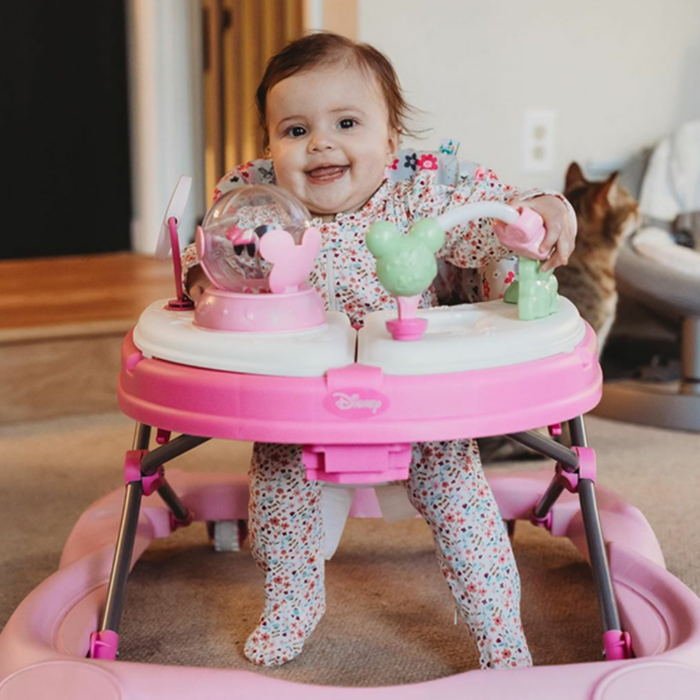
Keep an eye on your baby whenever they’re using an activity center, bouncer, swing, or similar baby gear.
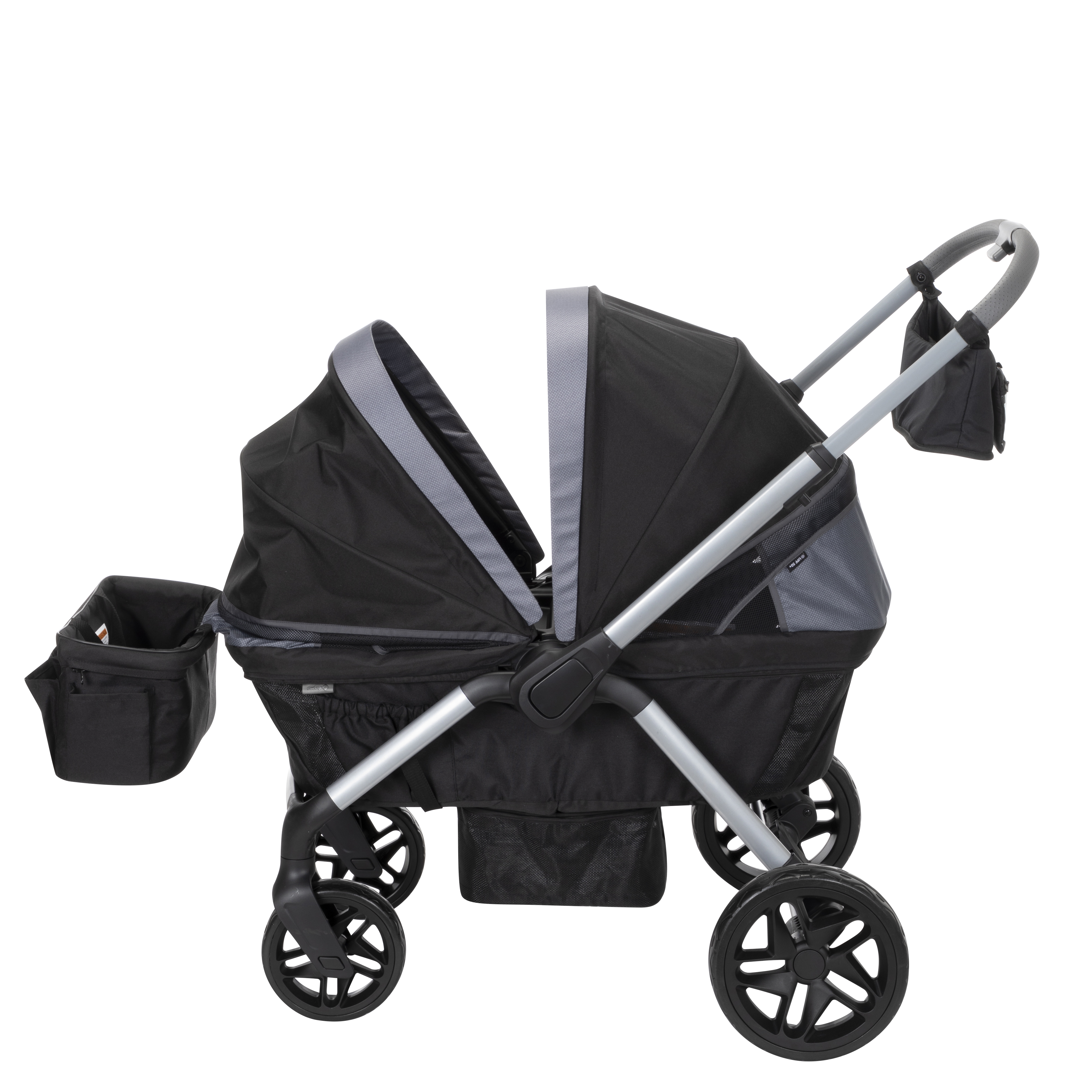
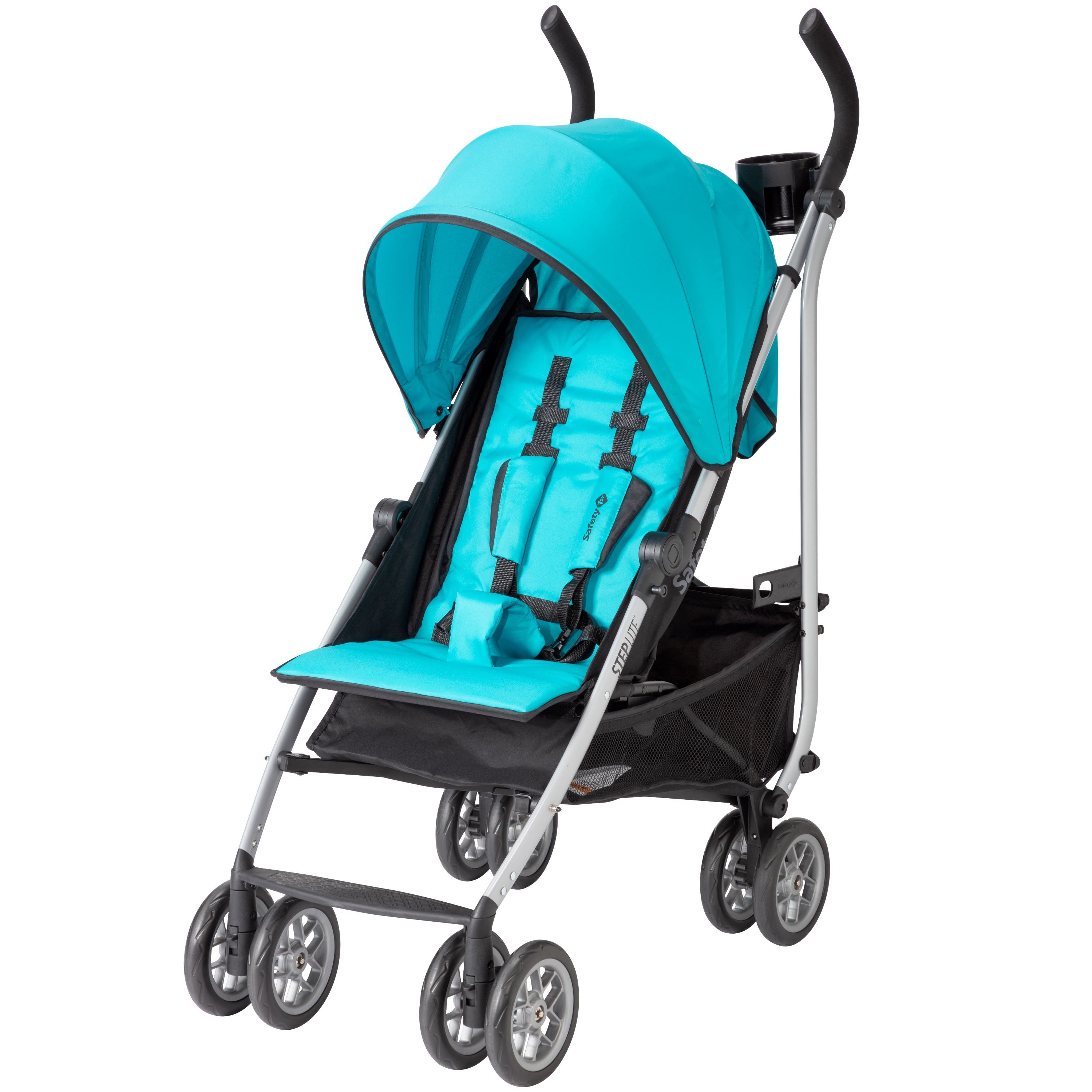
It can be tempting to sneak away for a minute to switch the laundry or start lunch while your little one seems happily occupied. Instead, portable baby gear can make it easier to bring their seat along as you move from room to room.
Because somehow, even when they’re sitting still, babies have a talent for keeping you on your toes.
How Can You Keep Cords Away from Babies?
Babies explore with their hands—and anything dangling nearby can be especially interesting.
Keep electrical wires, cords, and other items your baby could grab or pull secured and out of reach. When positioning baby gear, take a quick look around to make sure there aren’t cords nearby that curious little hands could find.
Your hair may be fair game. The electrical cords shouldn’t be.
Where Is It Safe for a Baby to Sleep?
Products that aren’t designed for sleep shouldn’t become nap spots.
If your baby falls asleep somewhere that isn’t intended for sleeping, move them to a crib or bassinet for naps and bedtime. Creating a consistent sleep space helps make one more part of your daily routine simpler.
What Are Some Important Baby Car Safety Tips?
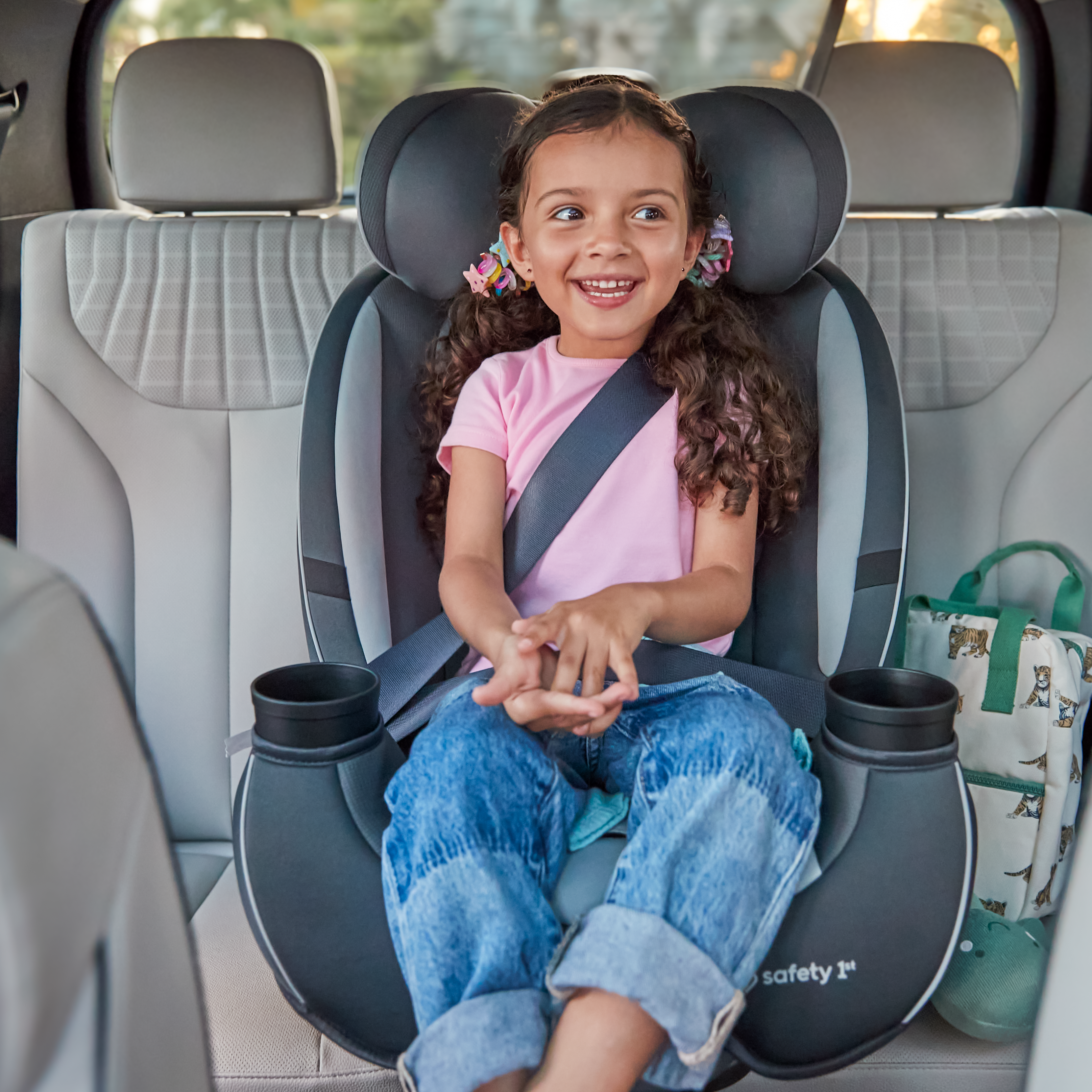
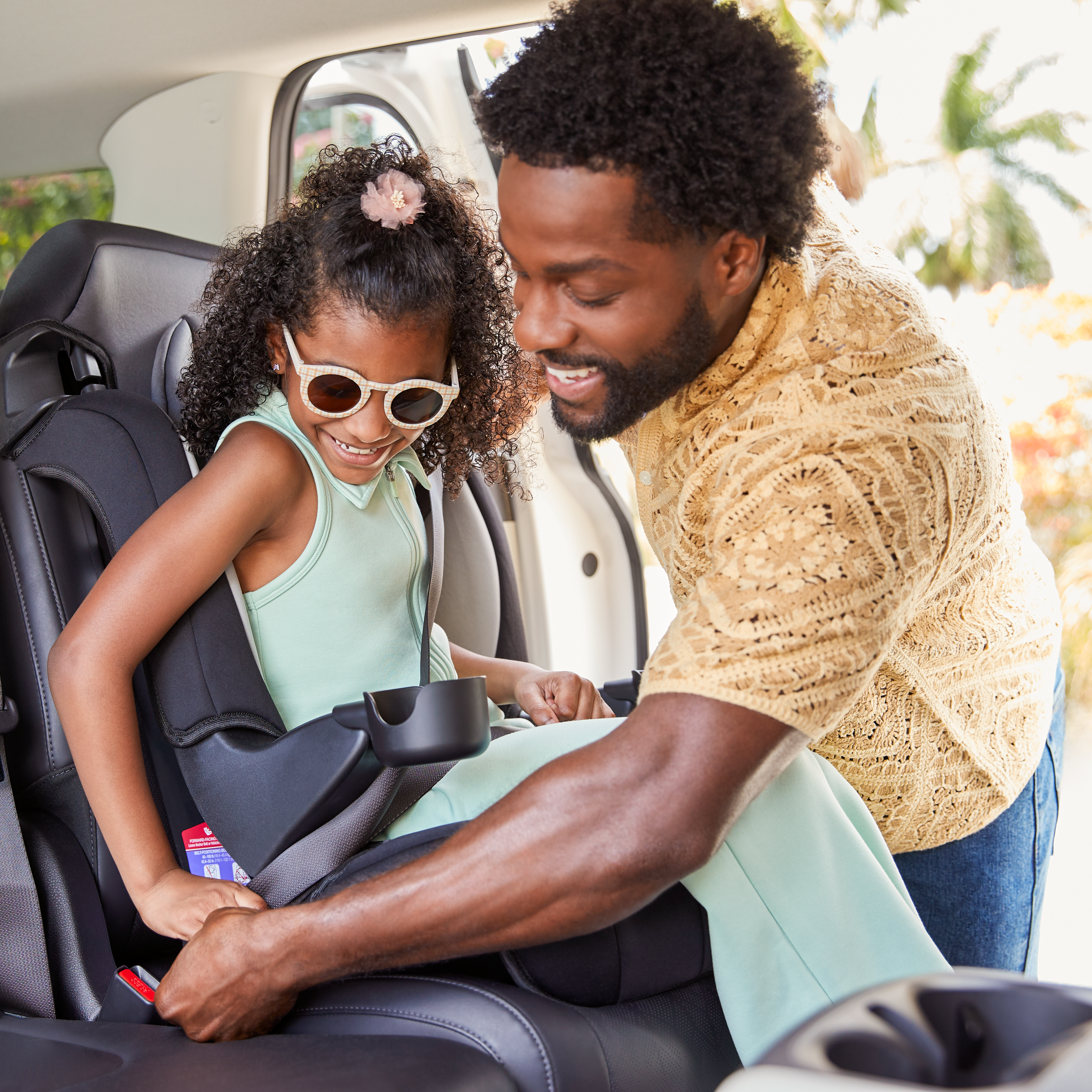
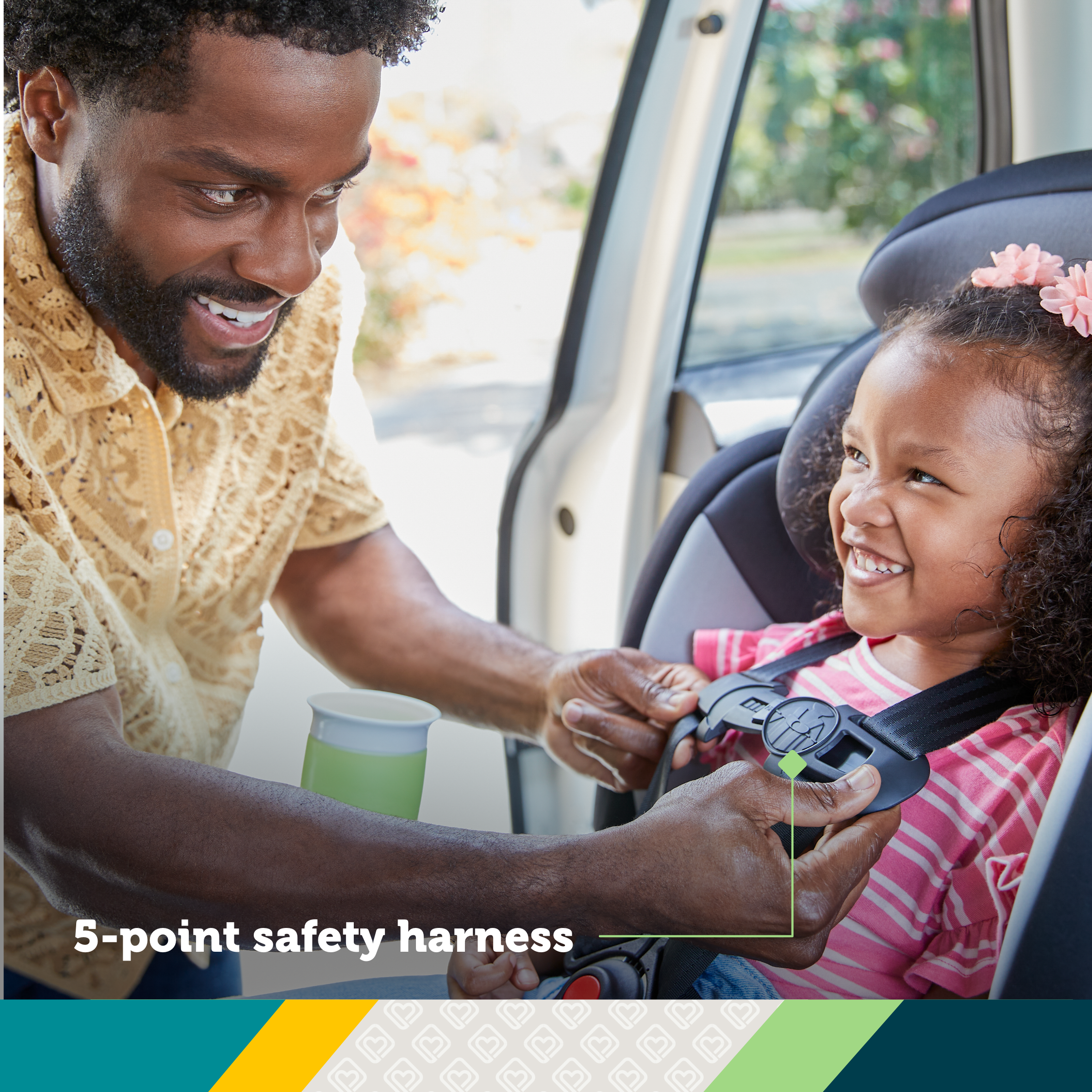
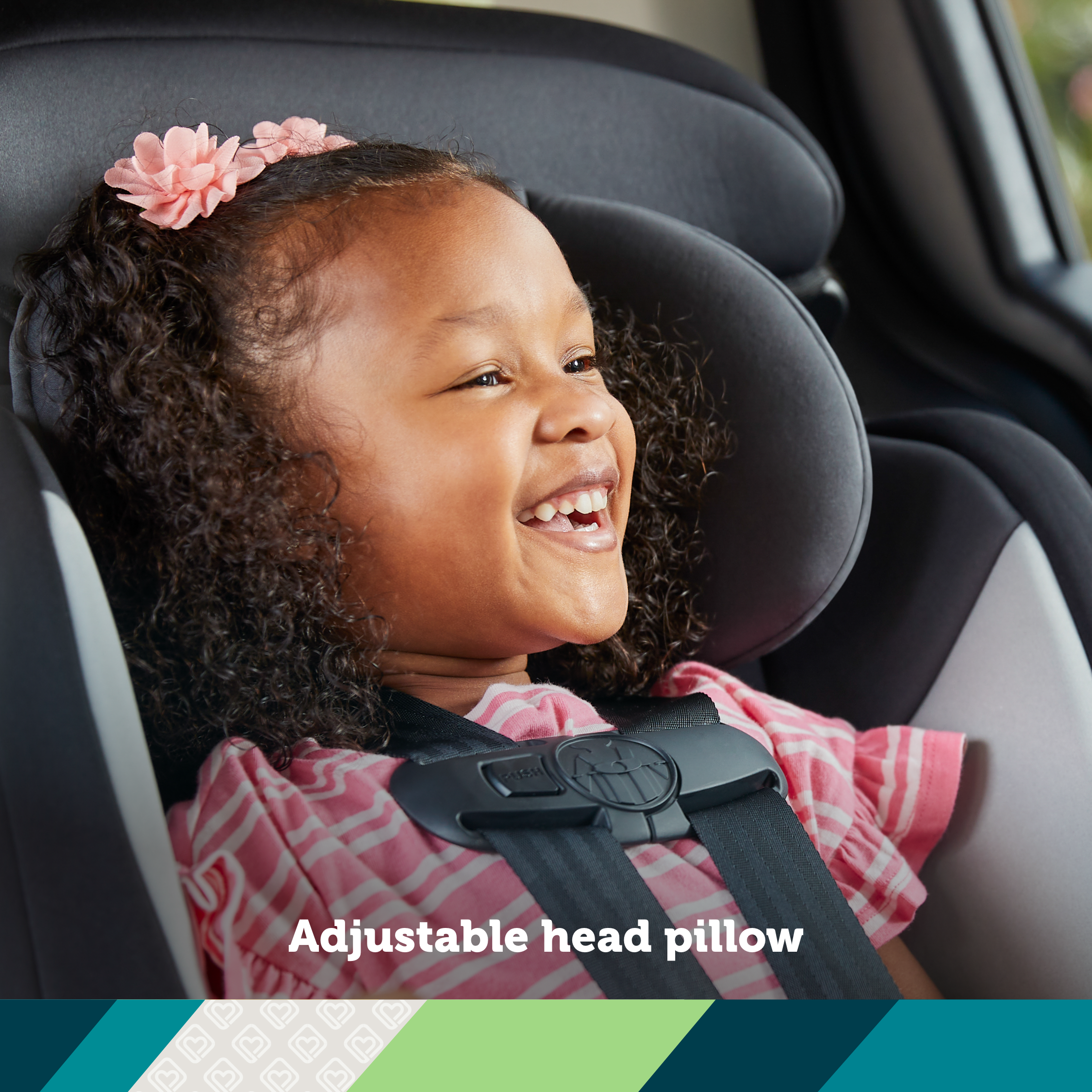
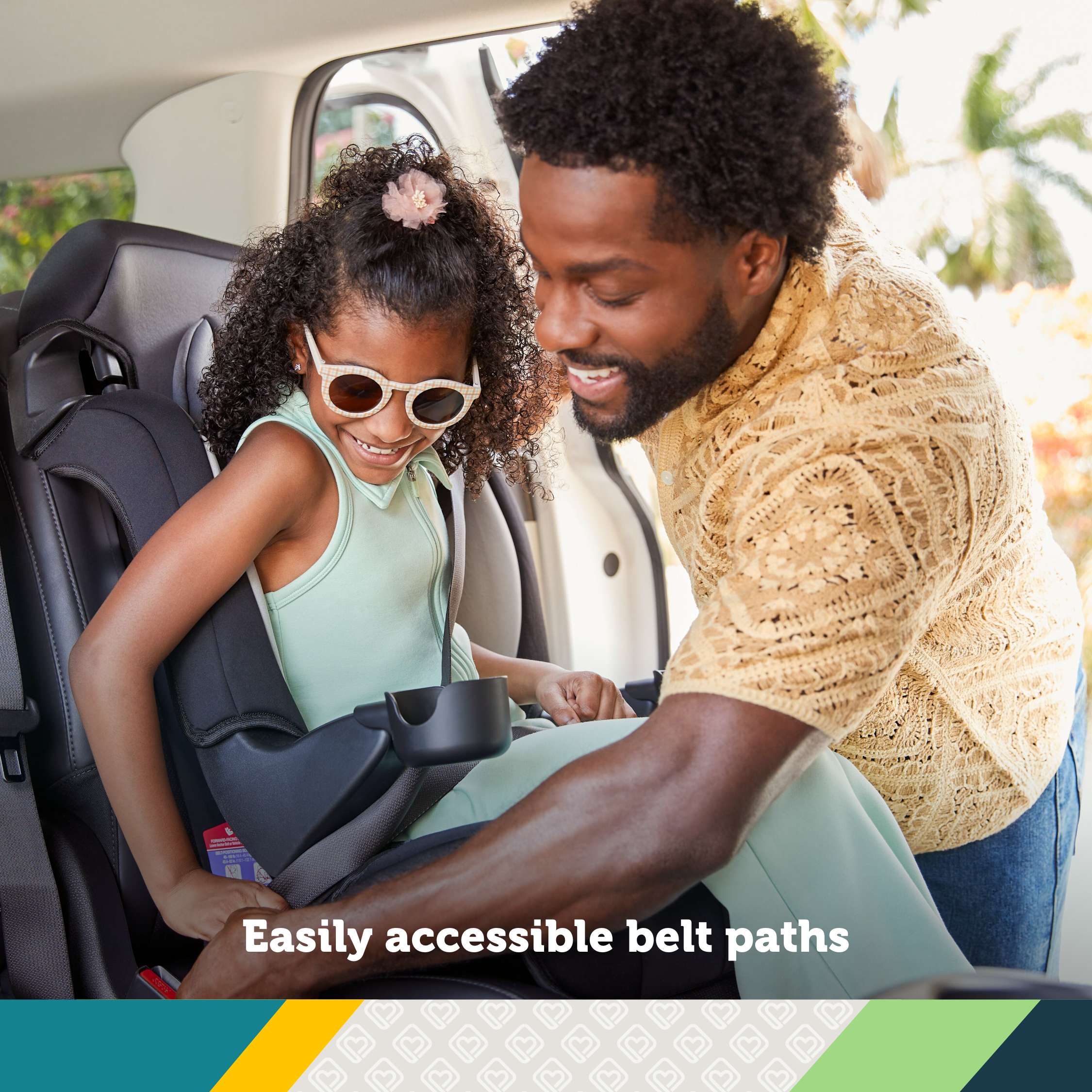
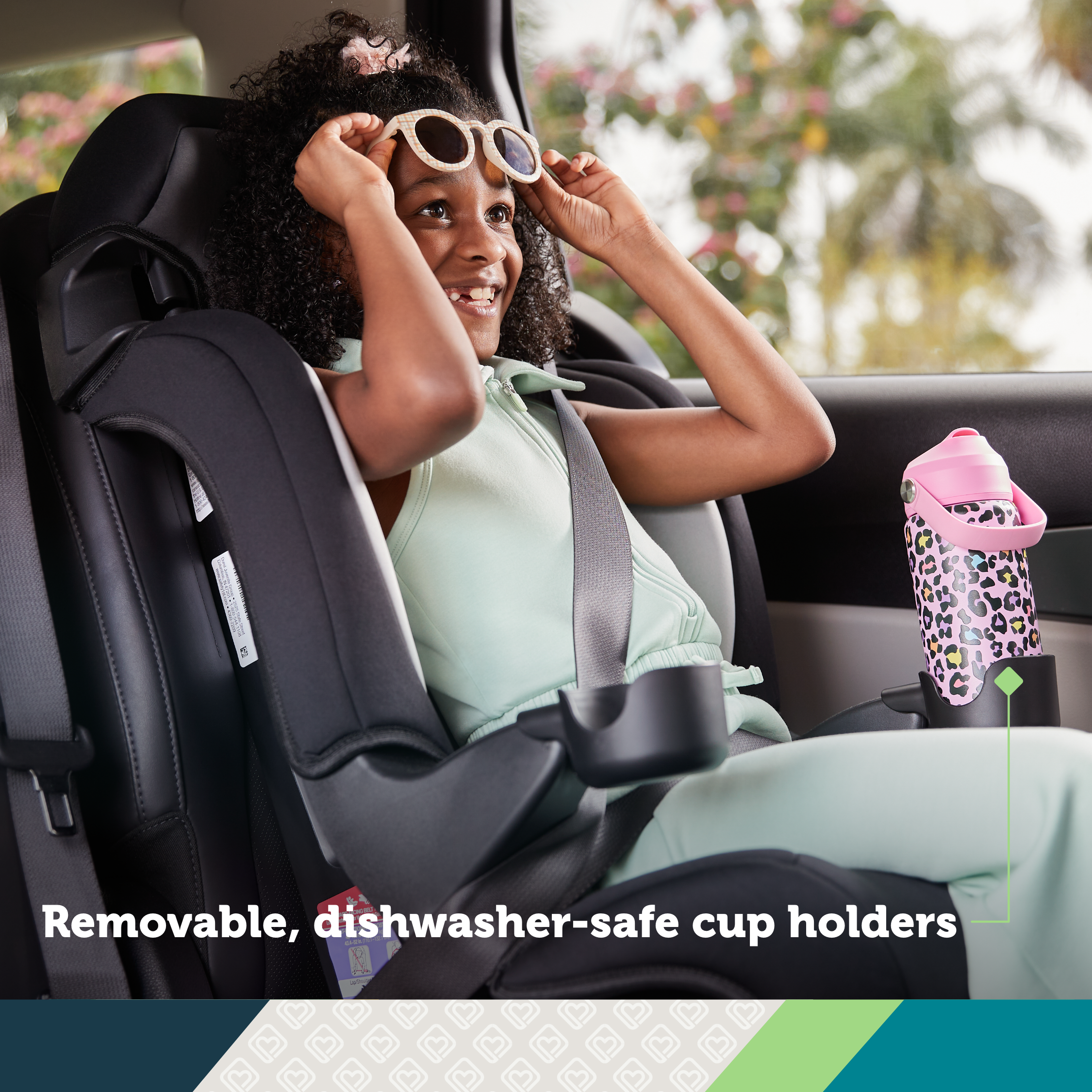
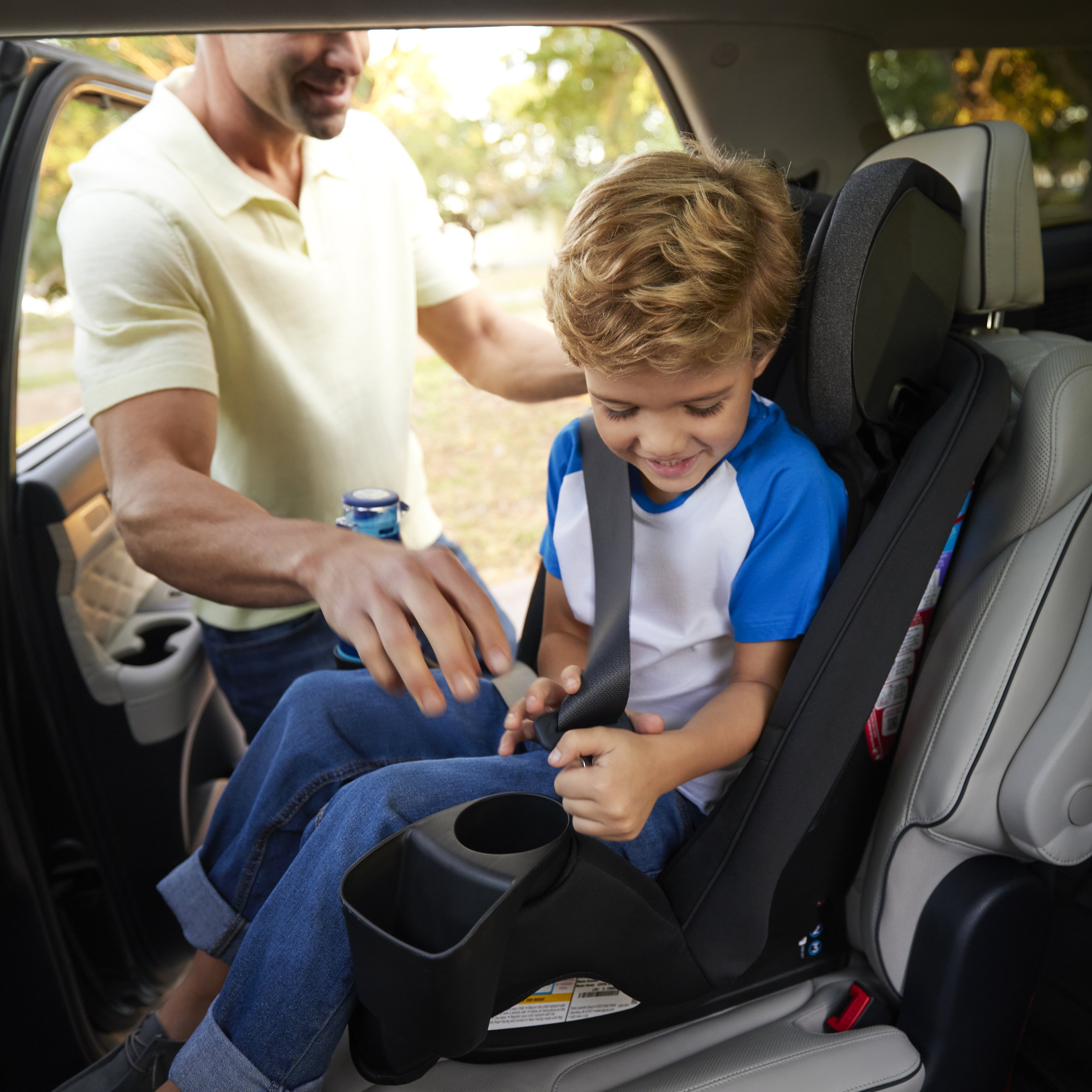
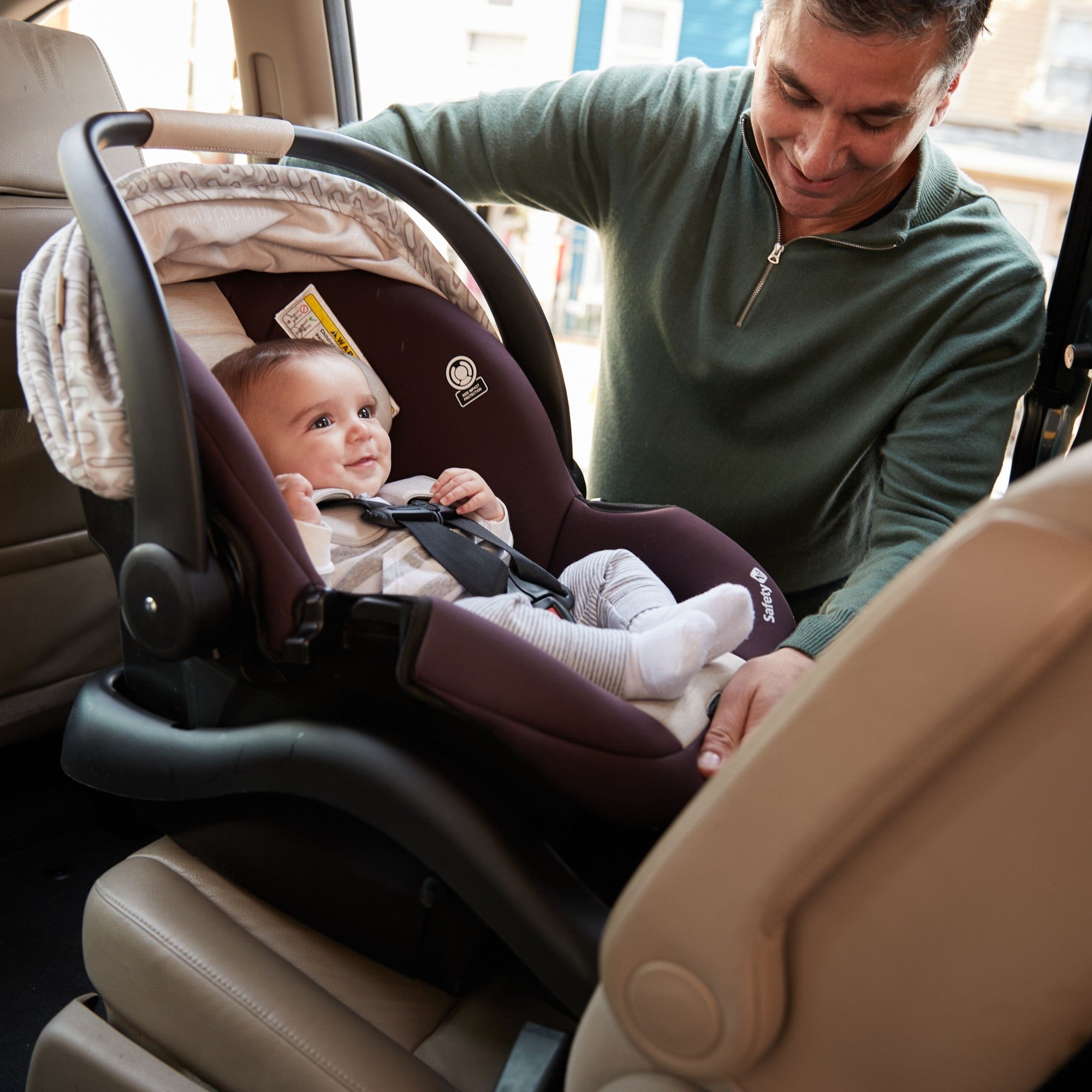
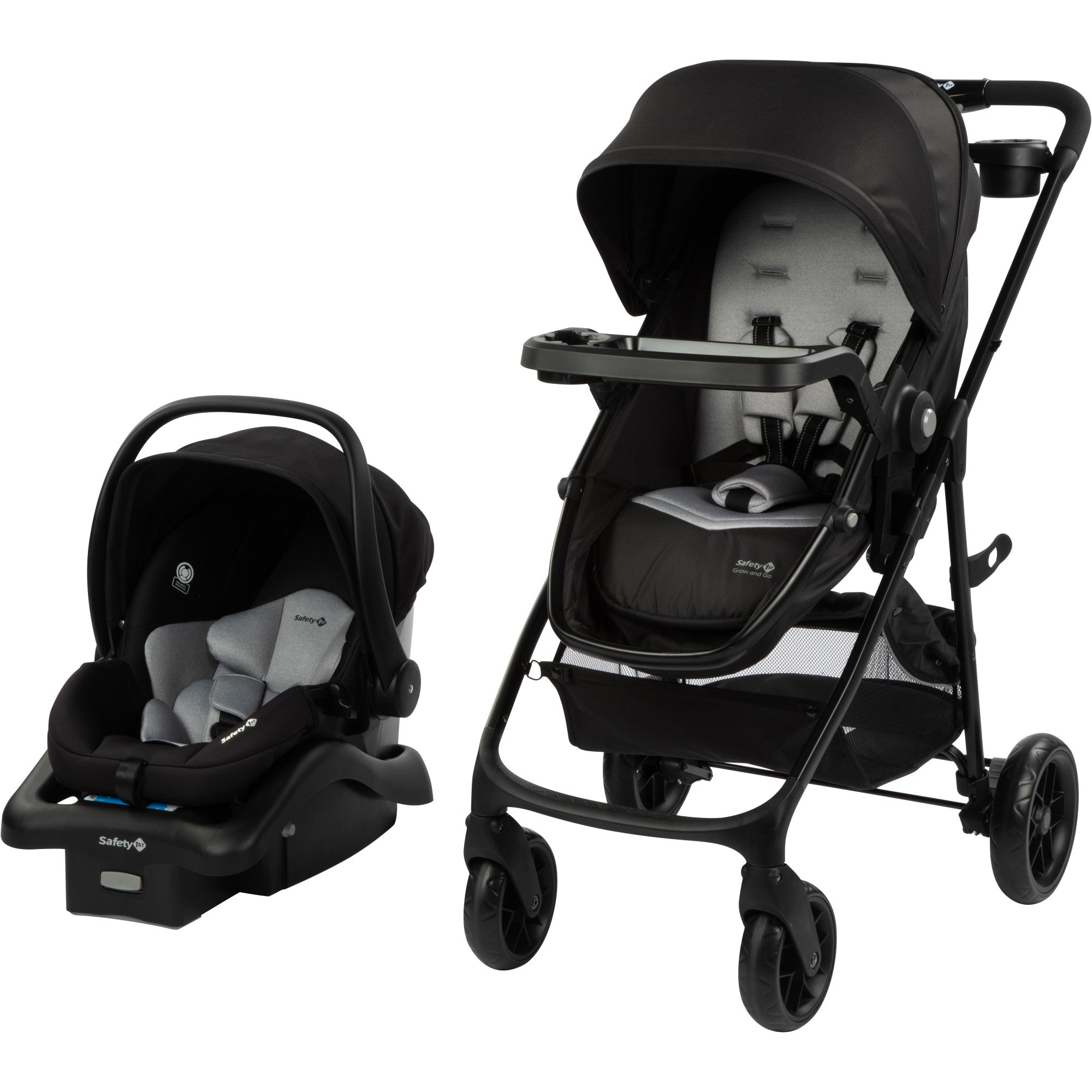
Home isn’t the only place where a little preparation matters. From that first ride home to daycare drop-offs, errands, and family adventures, a few baby car safety habits can help you feel more confident every time you buckle up.
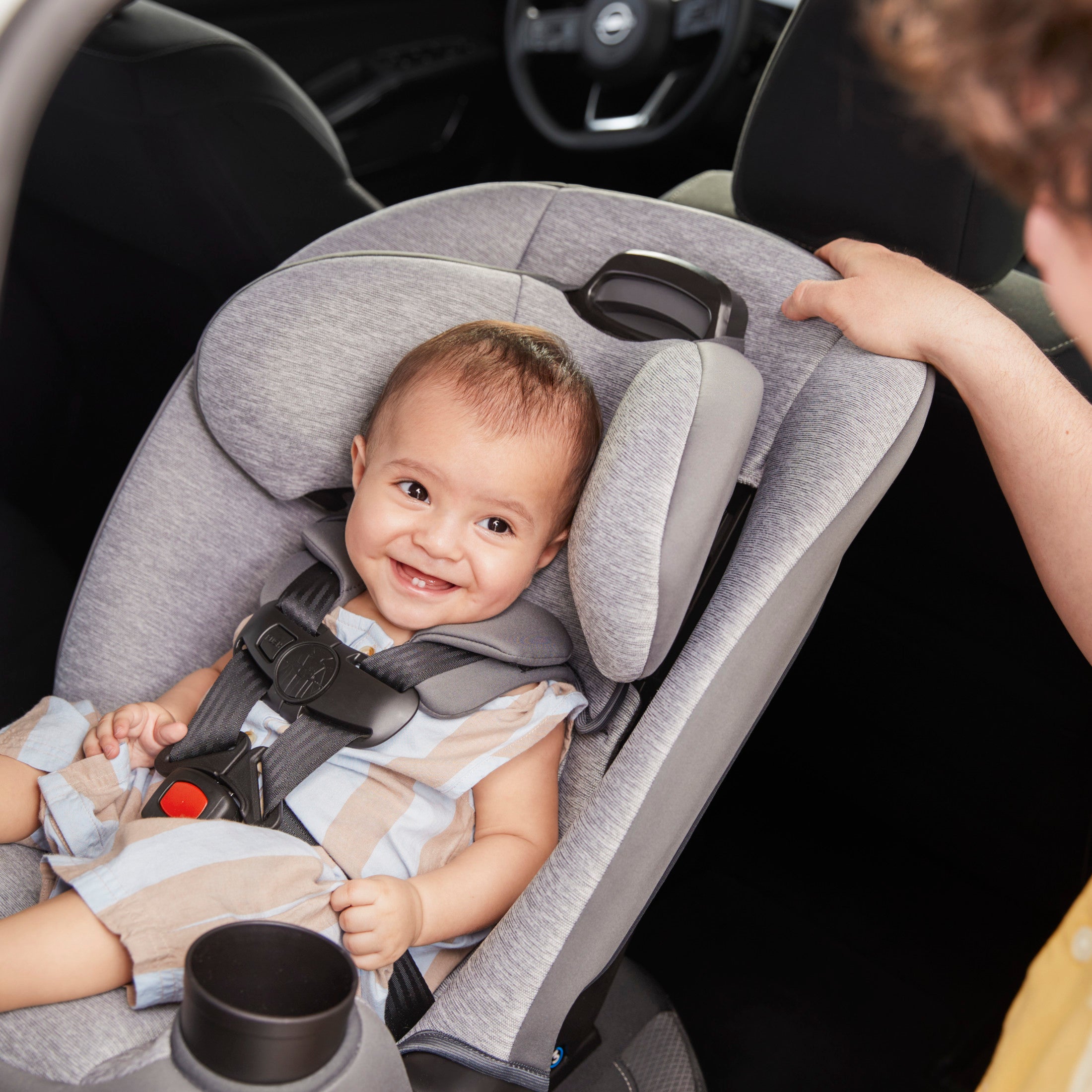
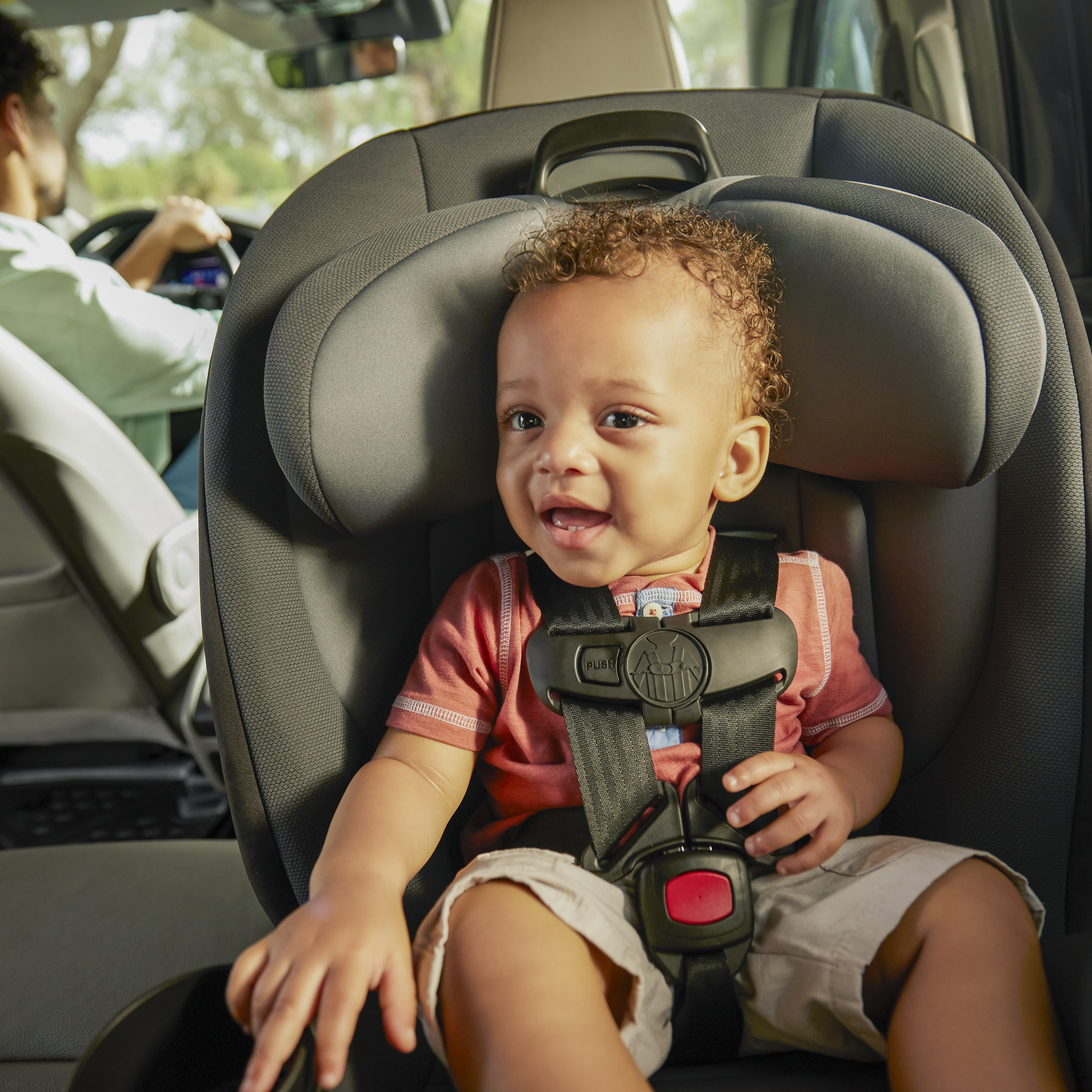
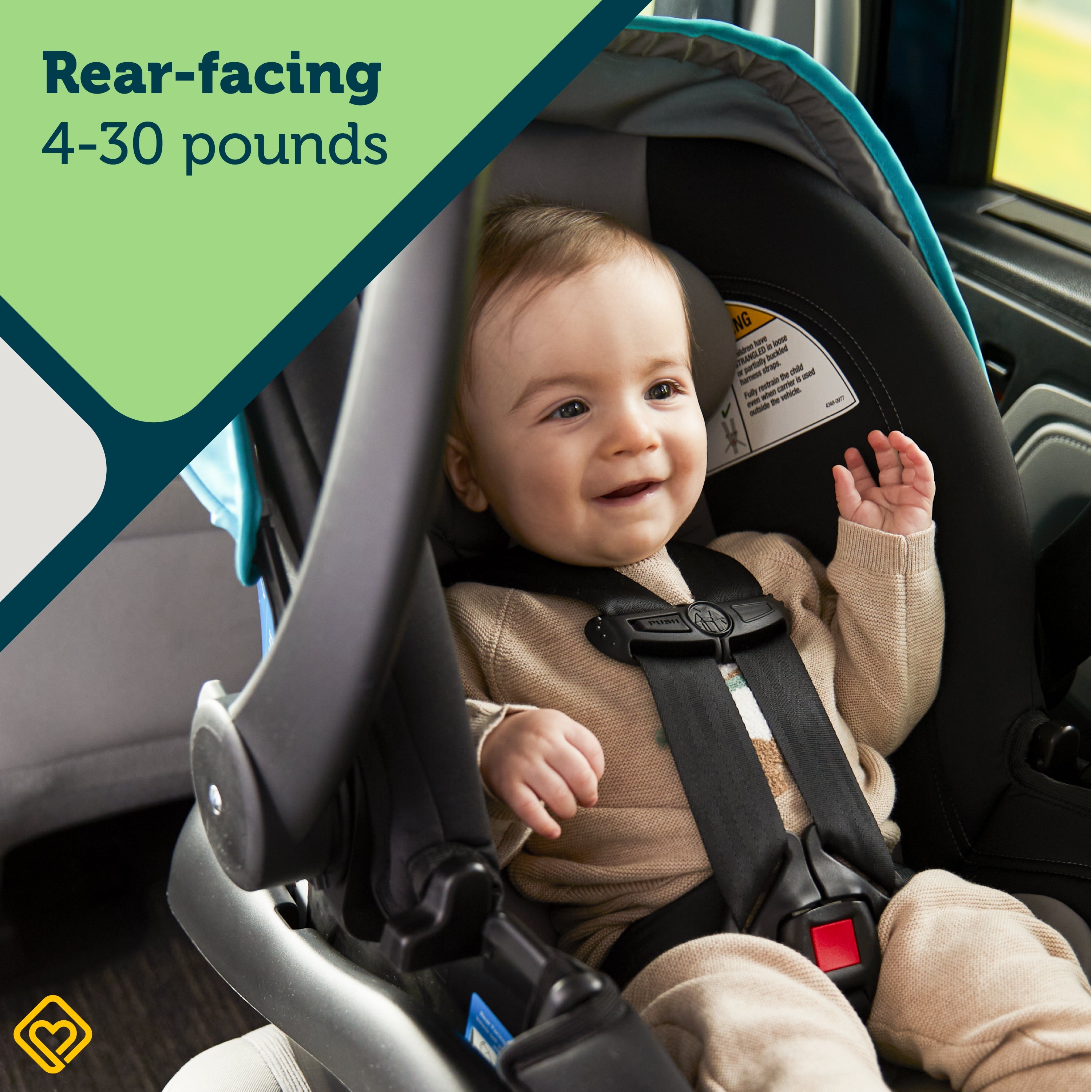
Keep Your Child Rear-Facing as Long as Their Seat Allows
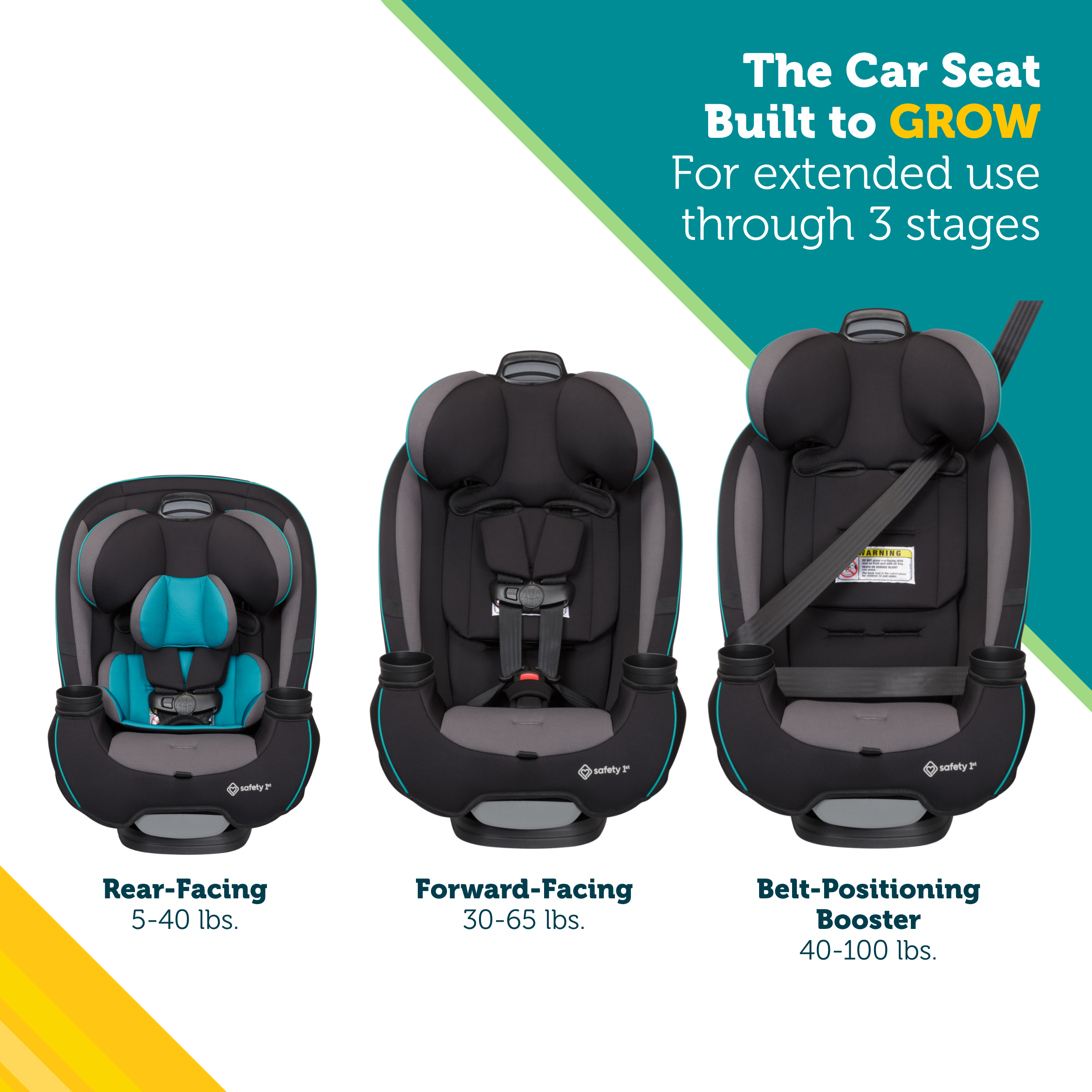
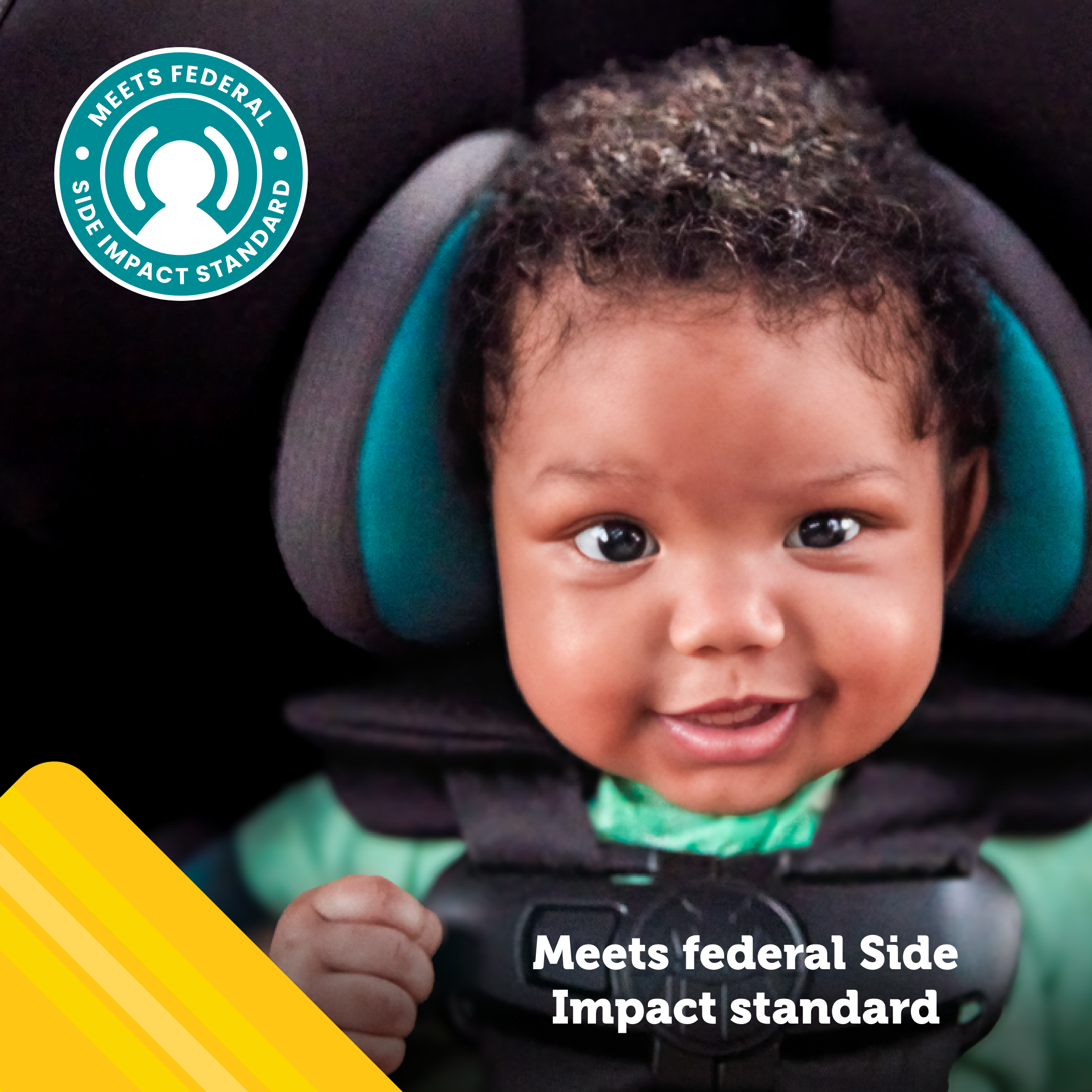
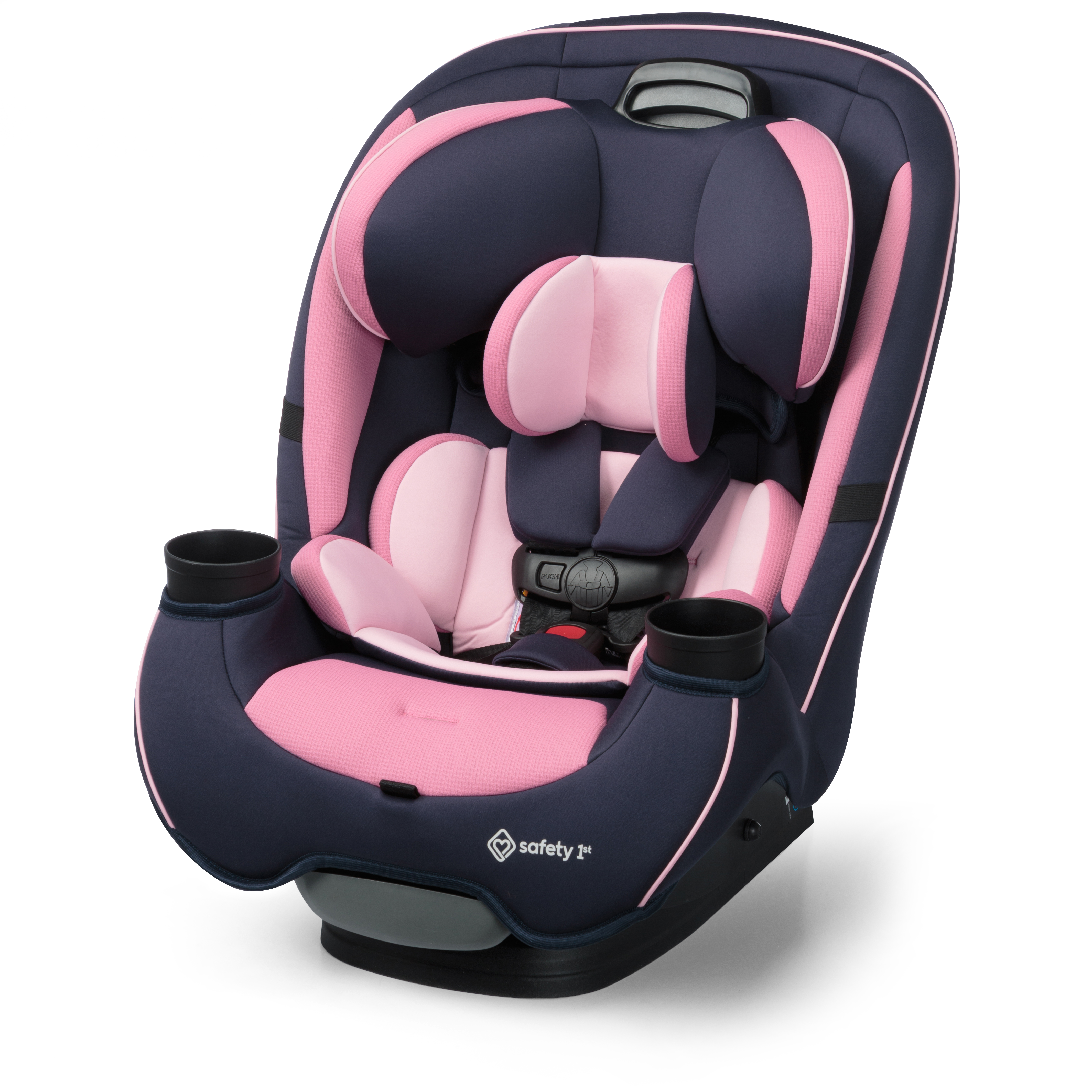
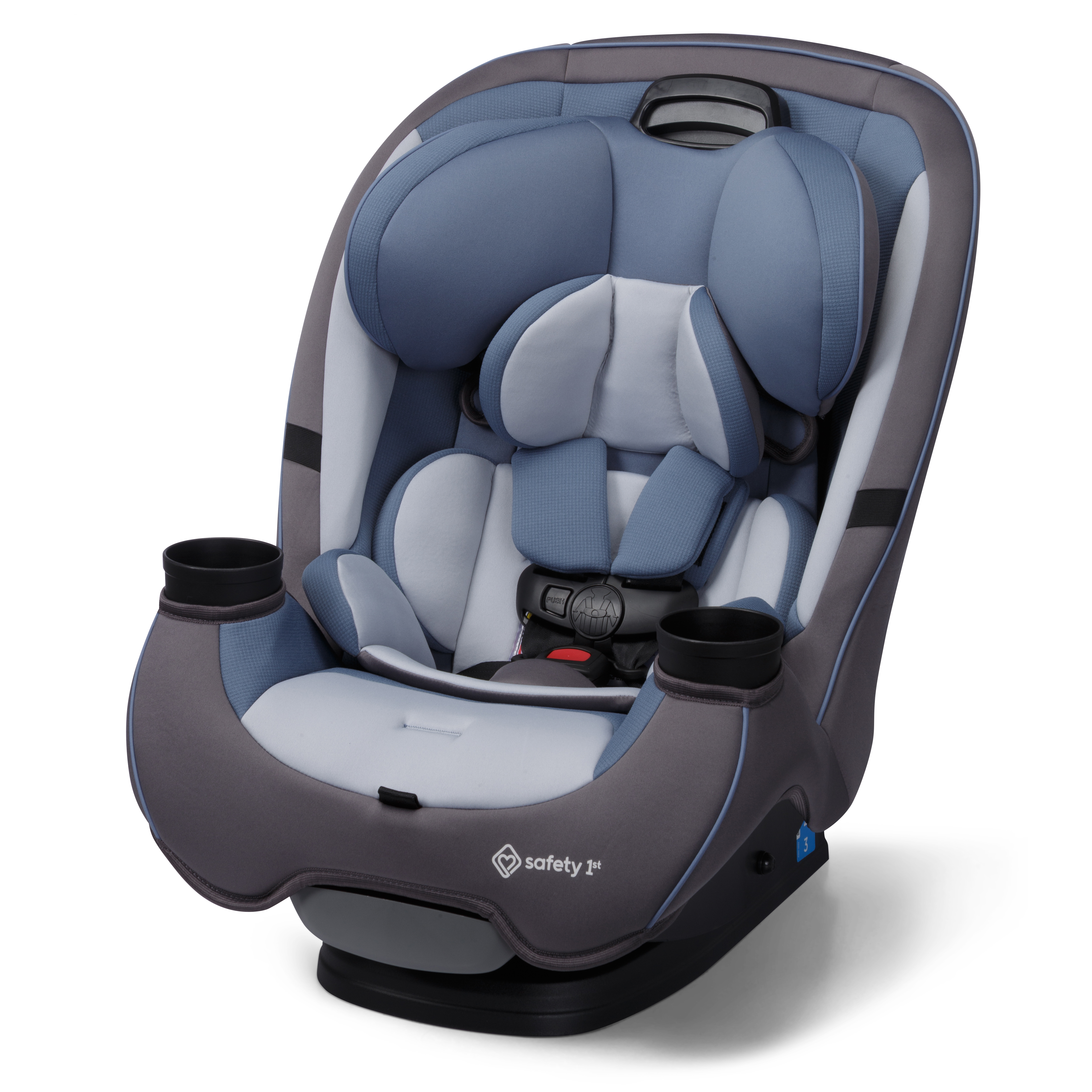
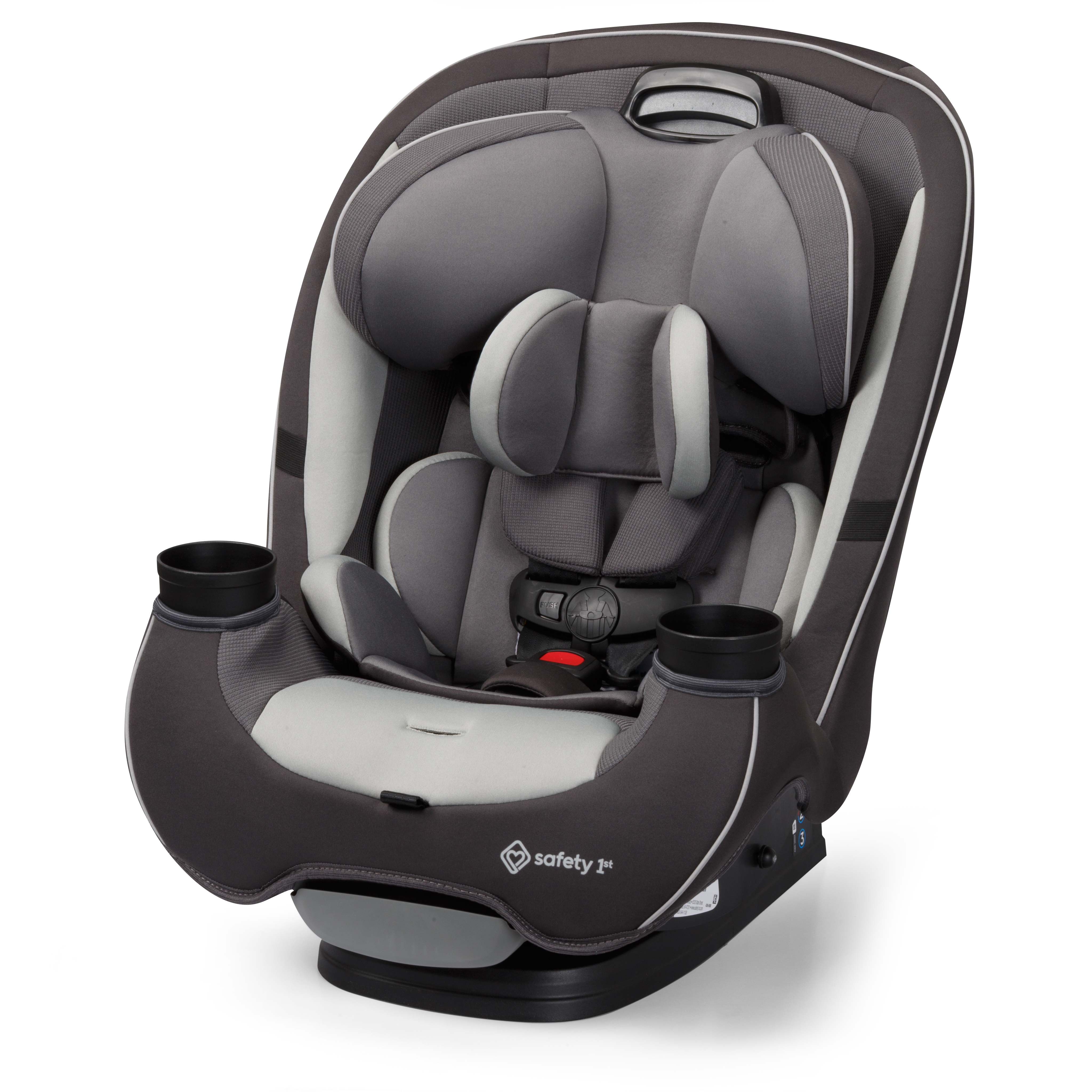
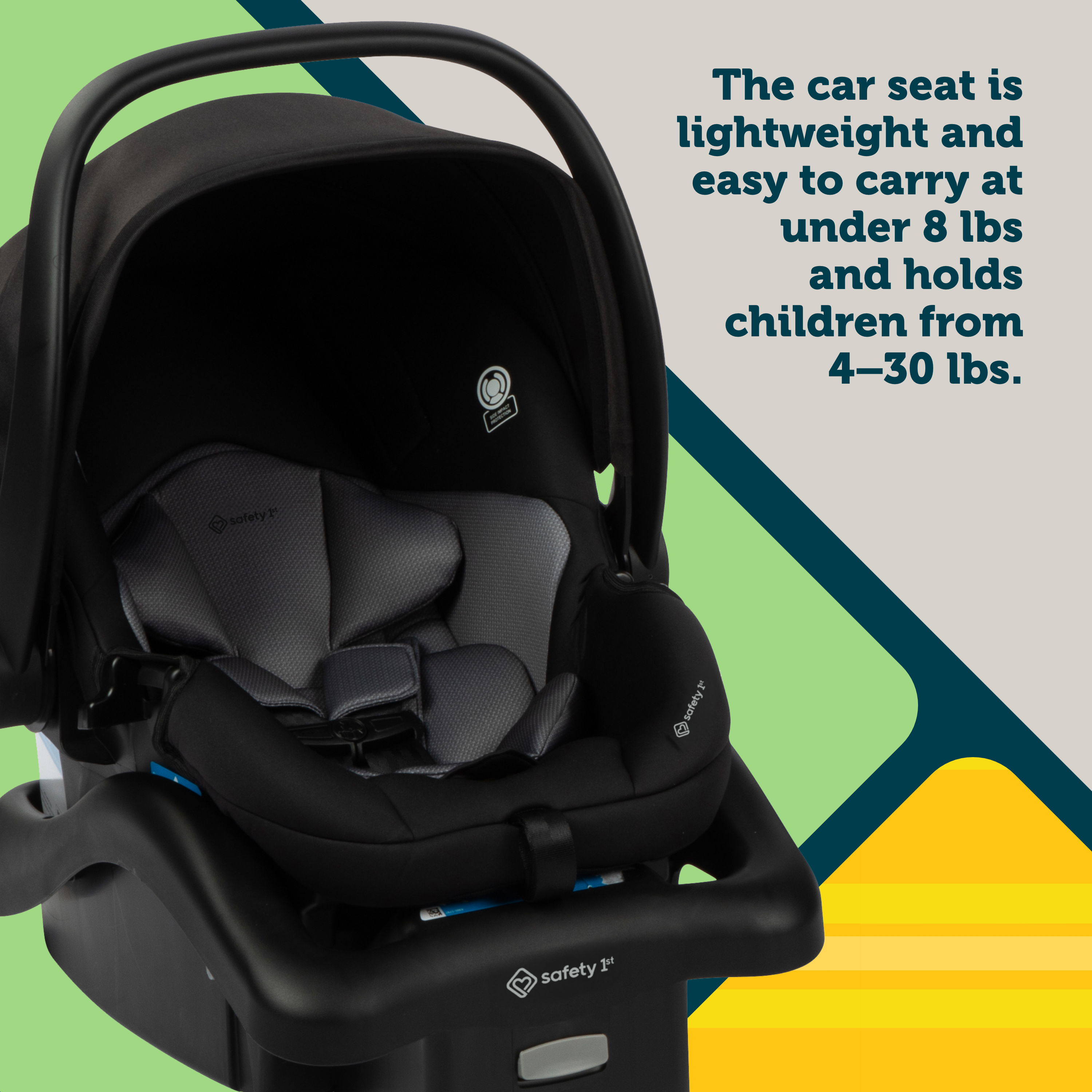
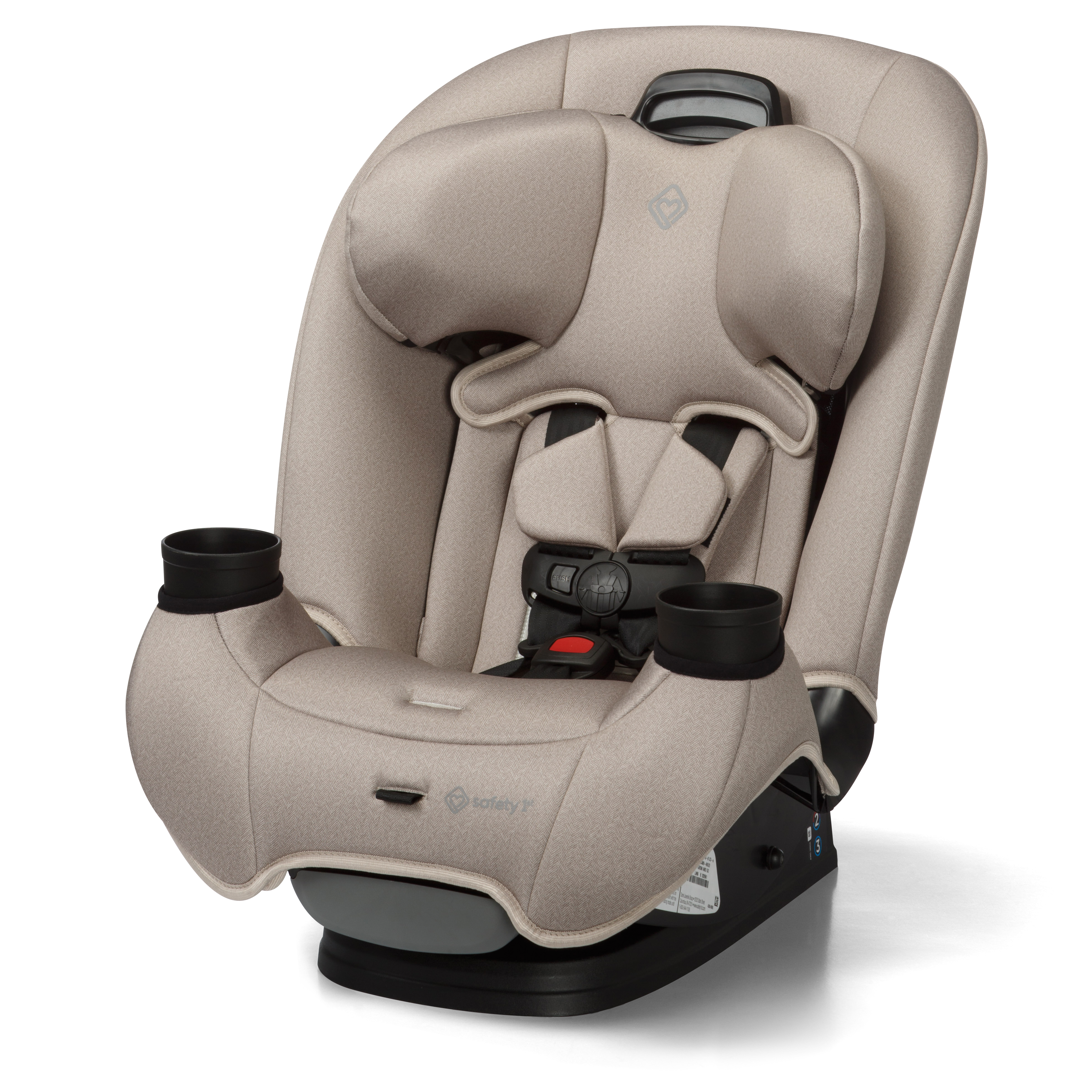
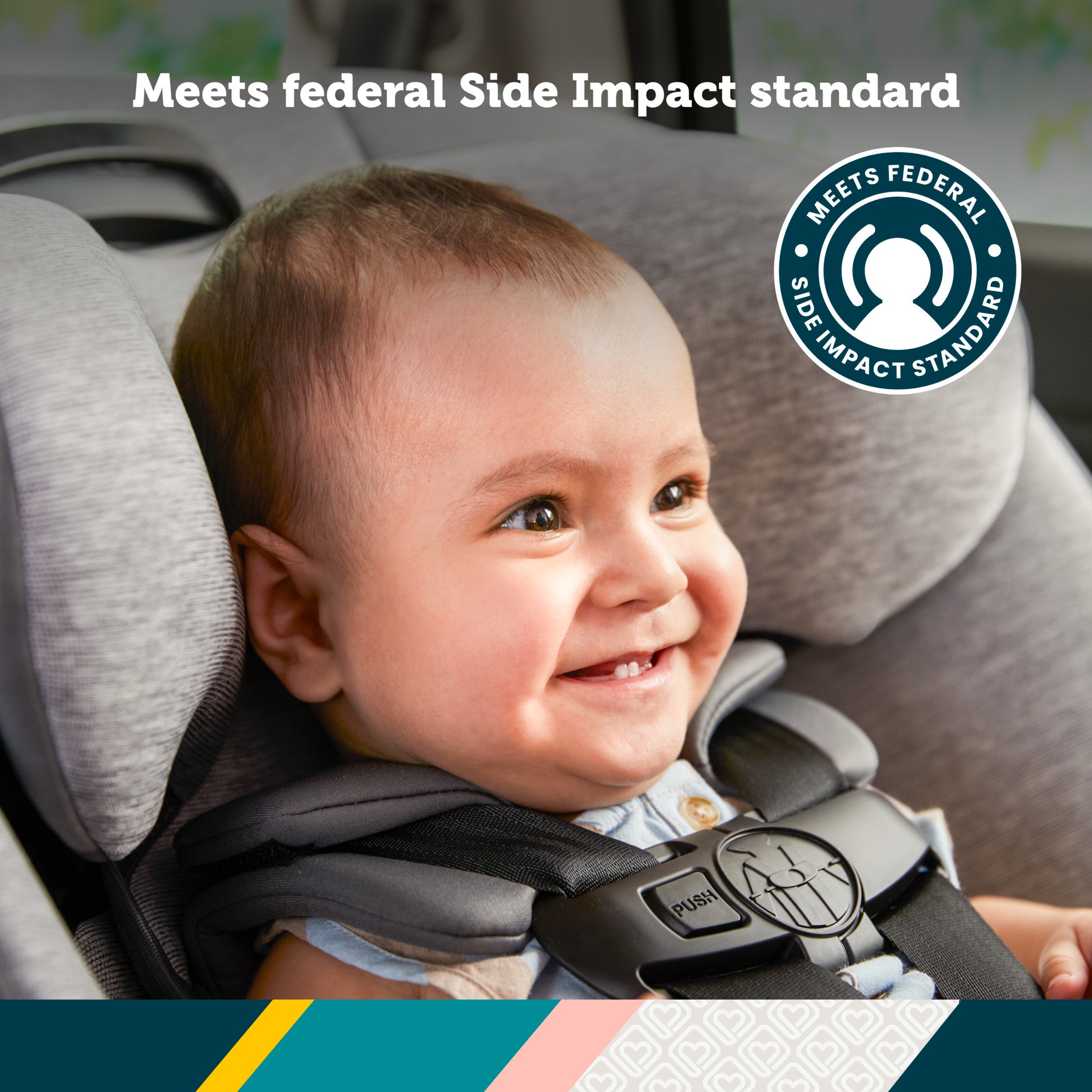
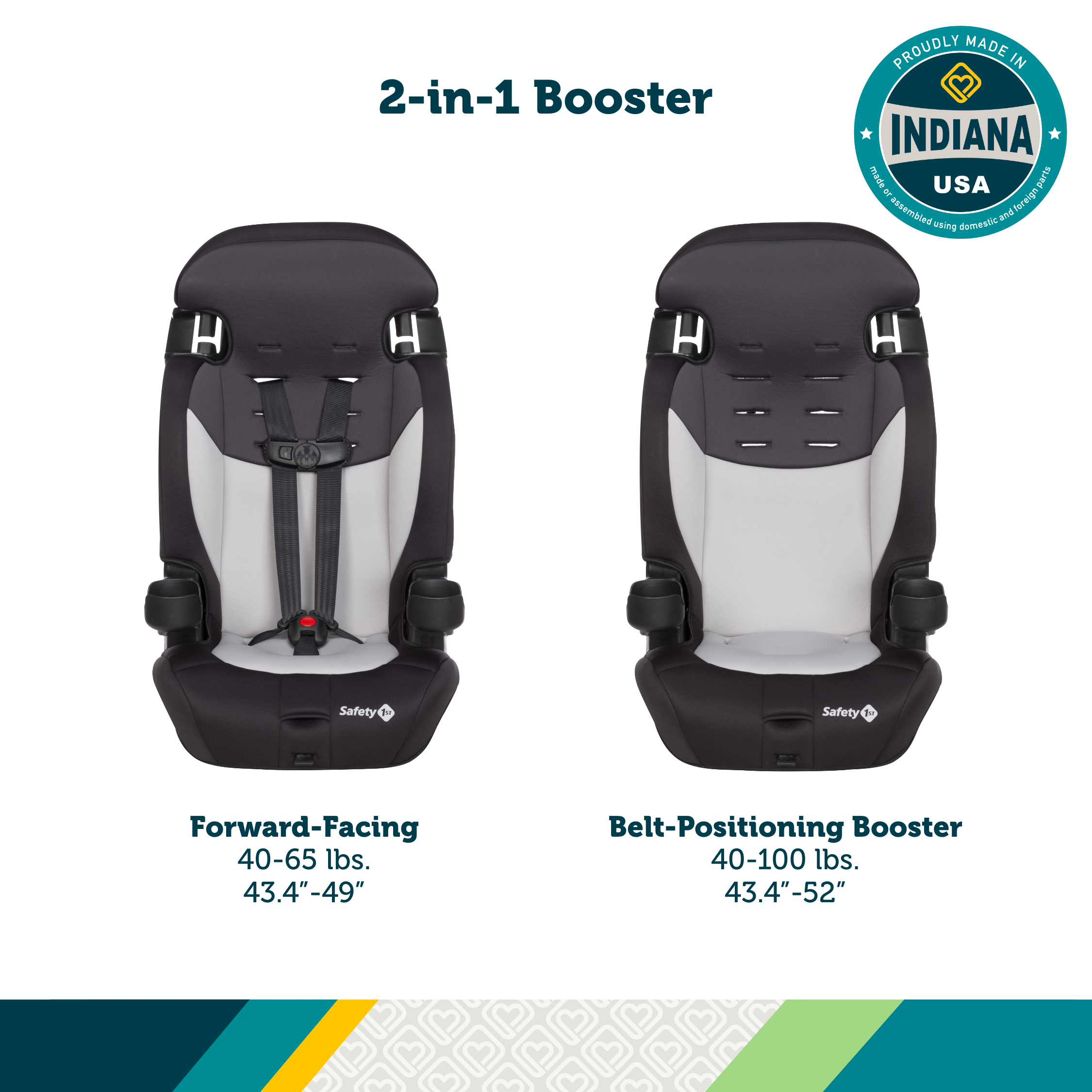
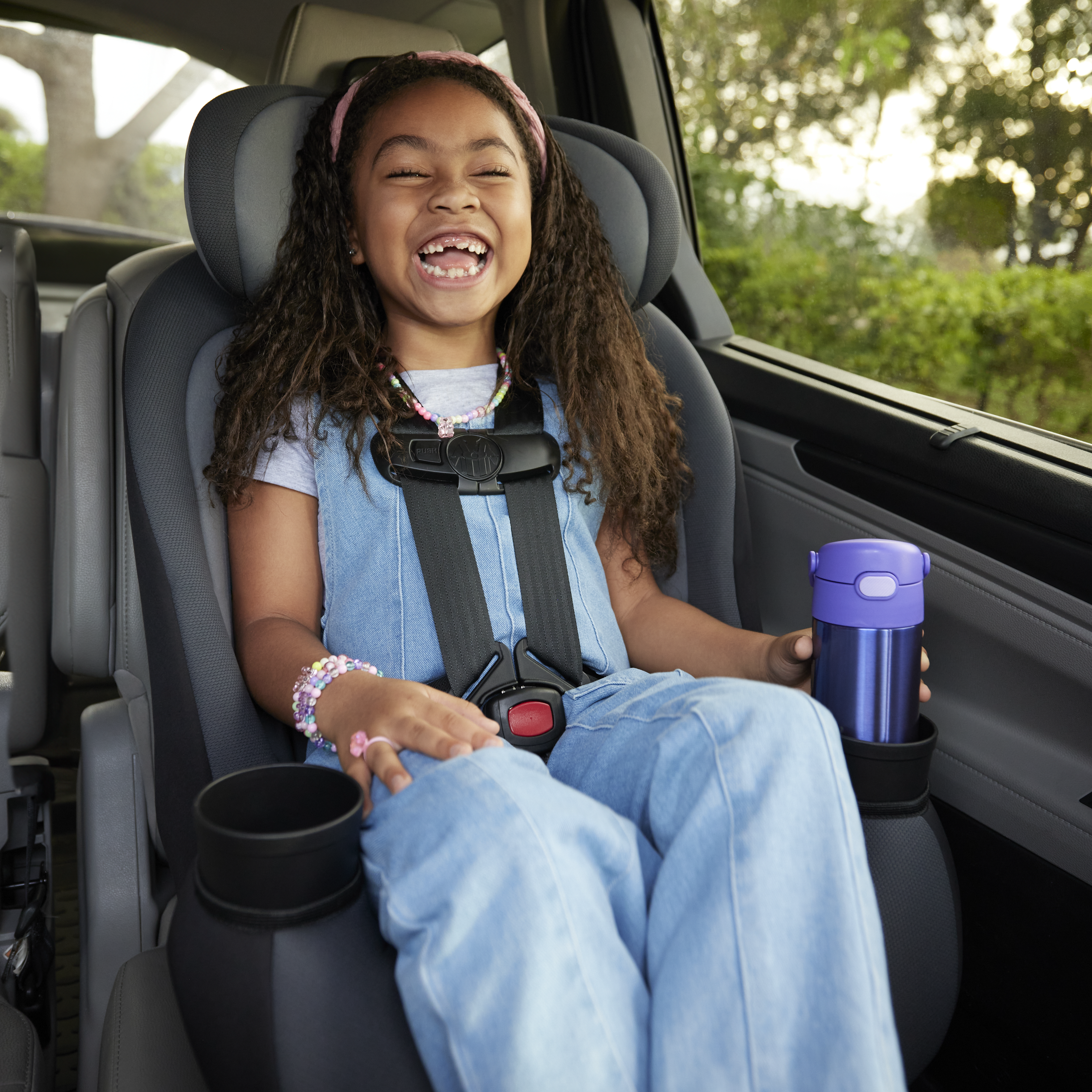
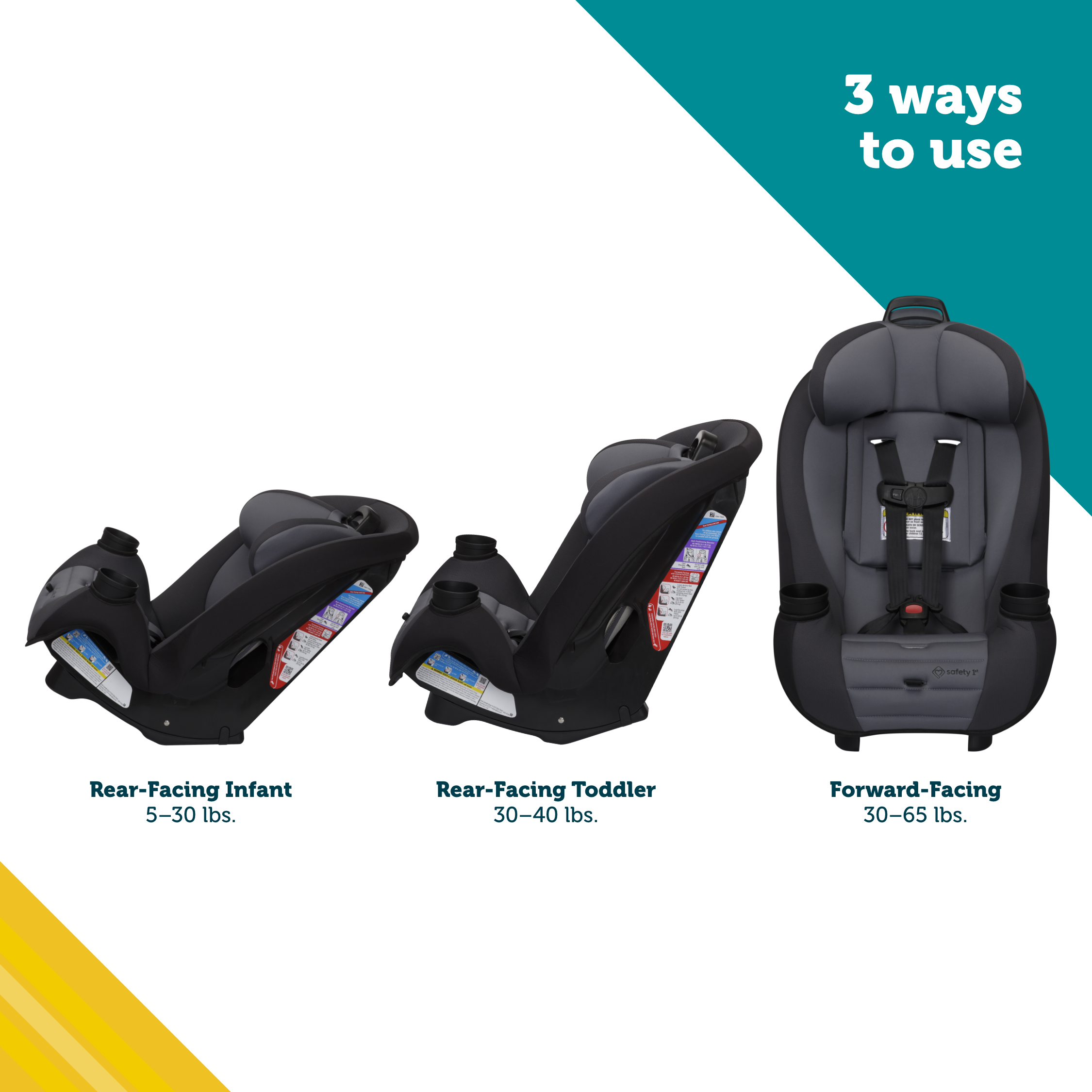
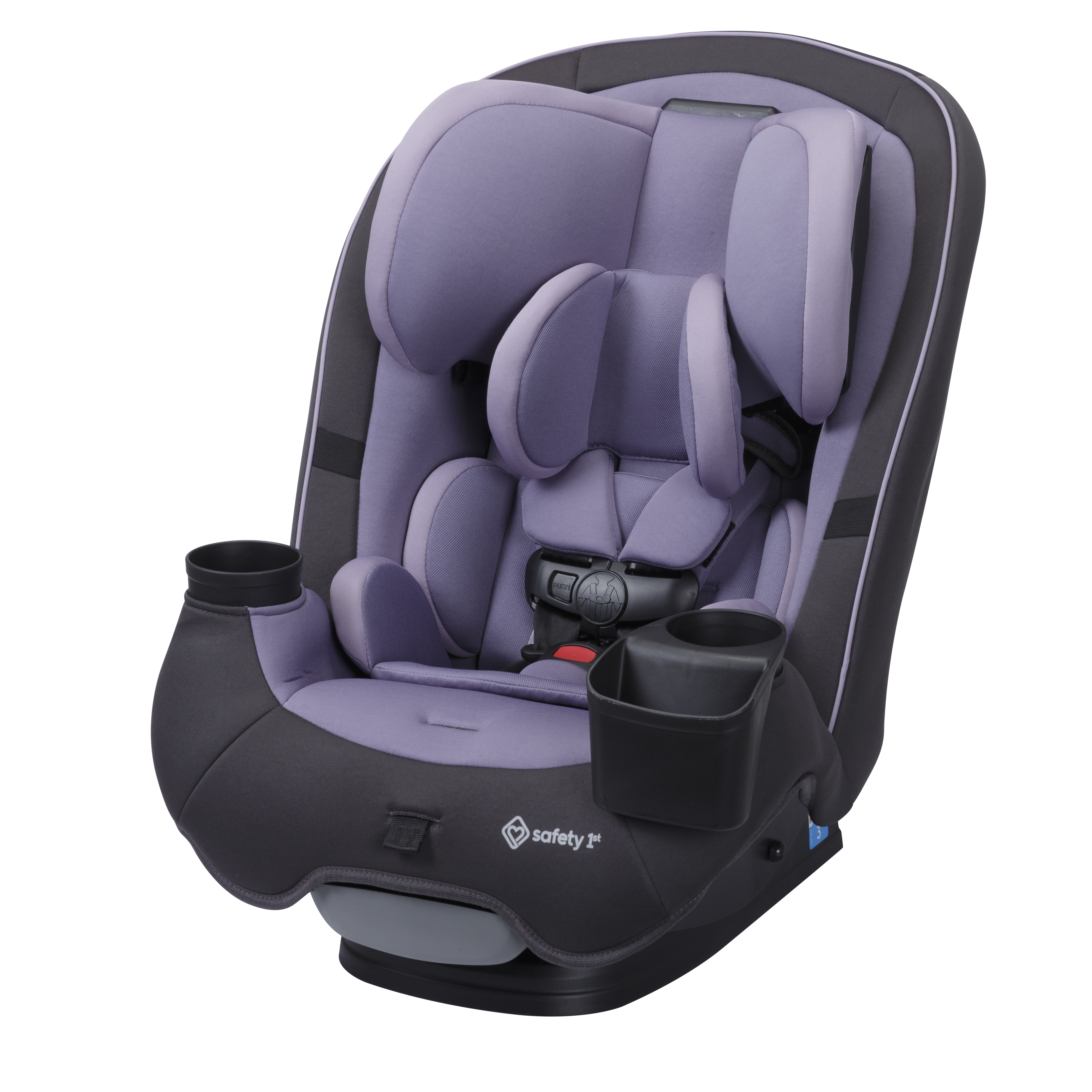
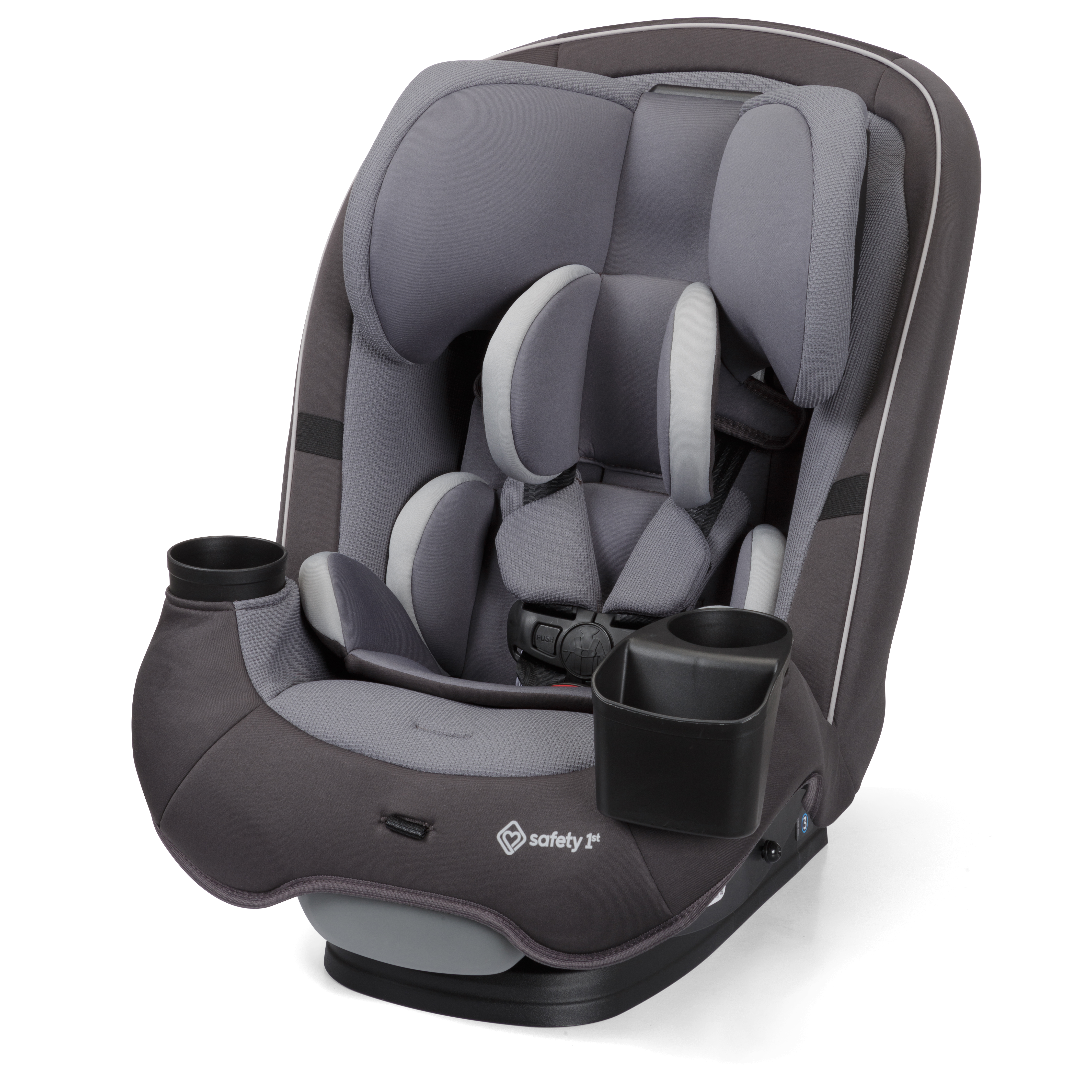
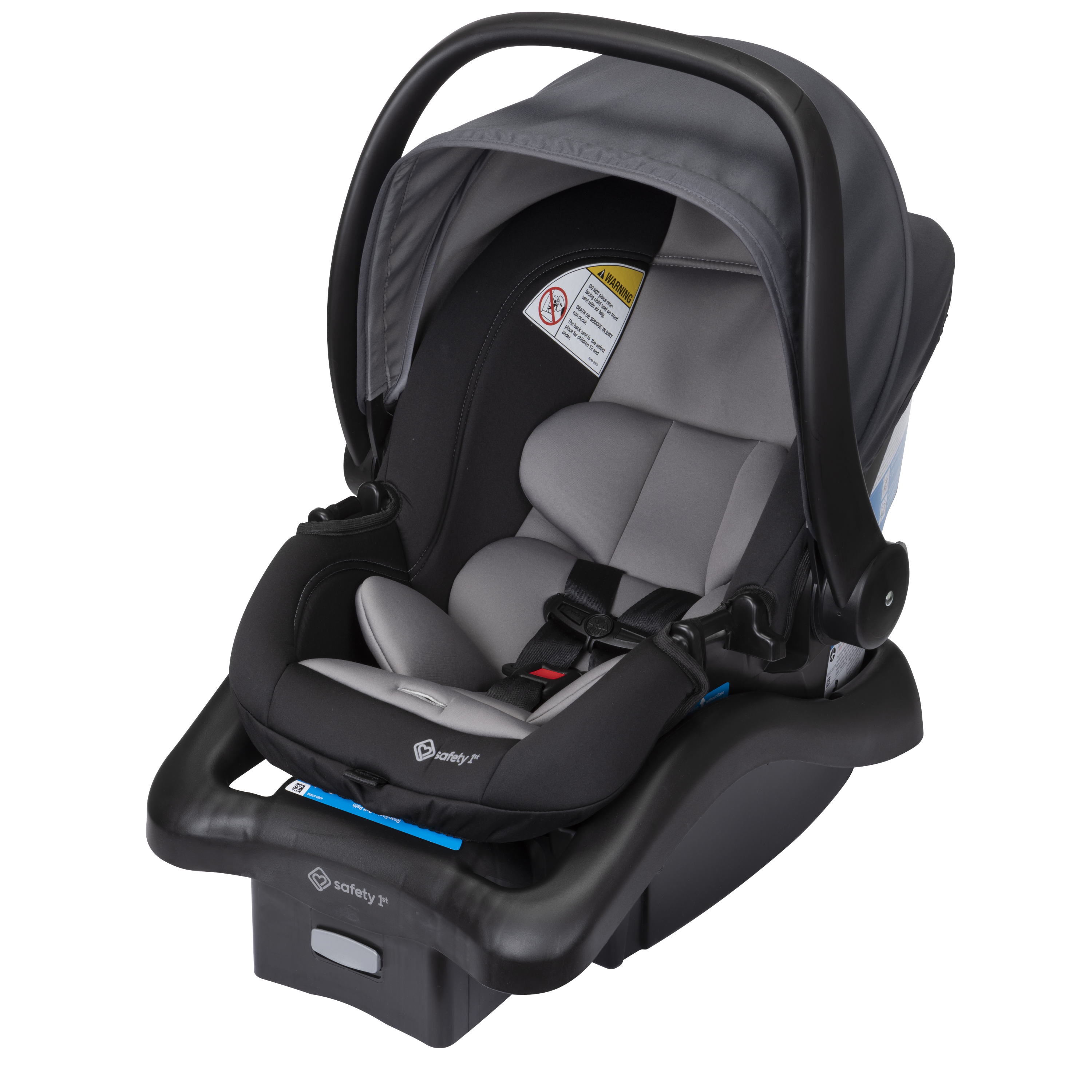
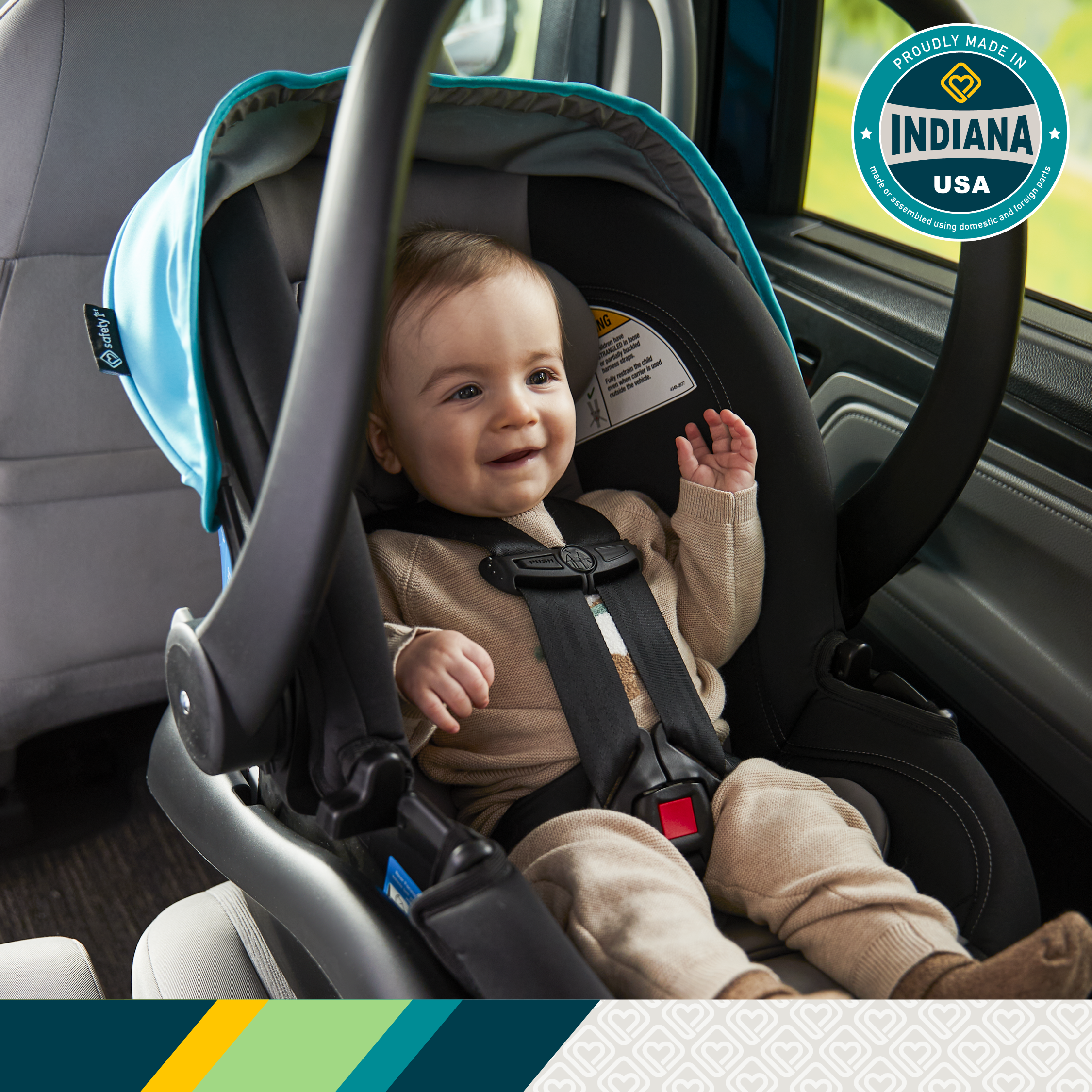
Keep children rear-facing in their car seat until they reach the maximum height or weight limits specified for that seat.
Your little passenger may be growing quickly, but following the seat’s rear-facing limits helps you know when they’re ready for the next stage.
Know the History of Your Car Seat
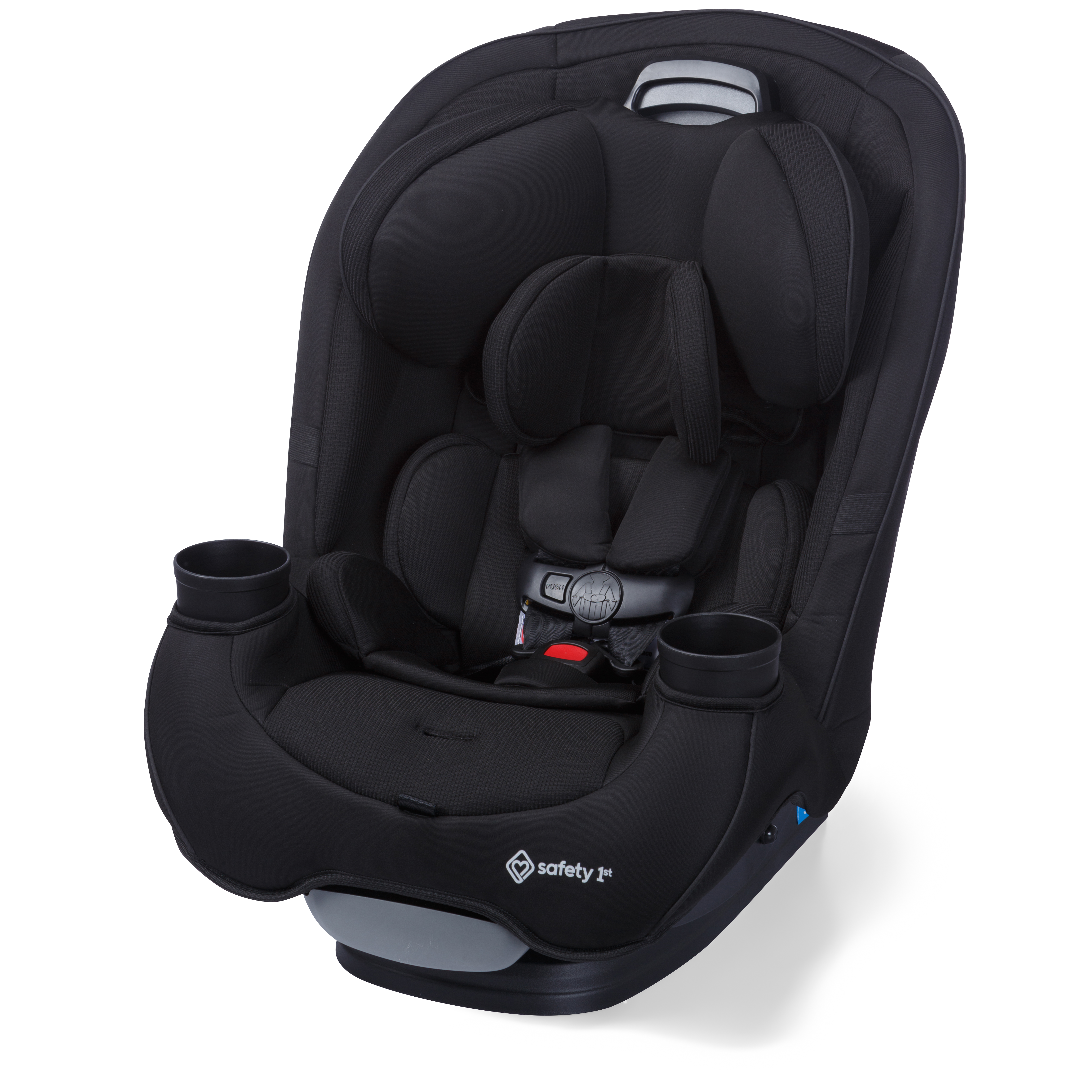
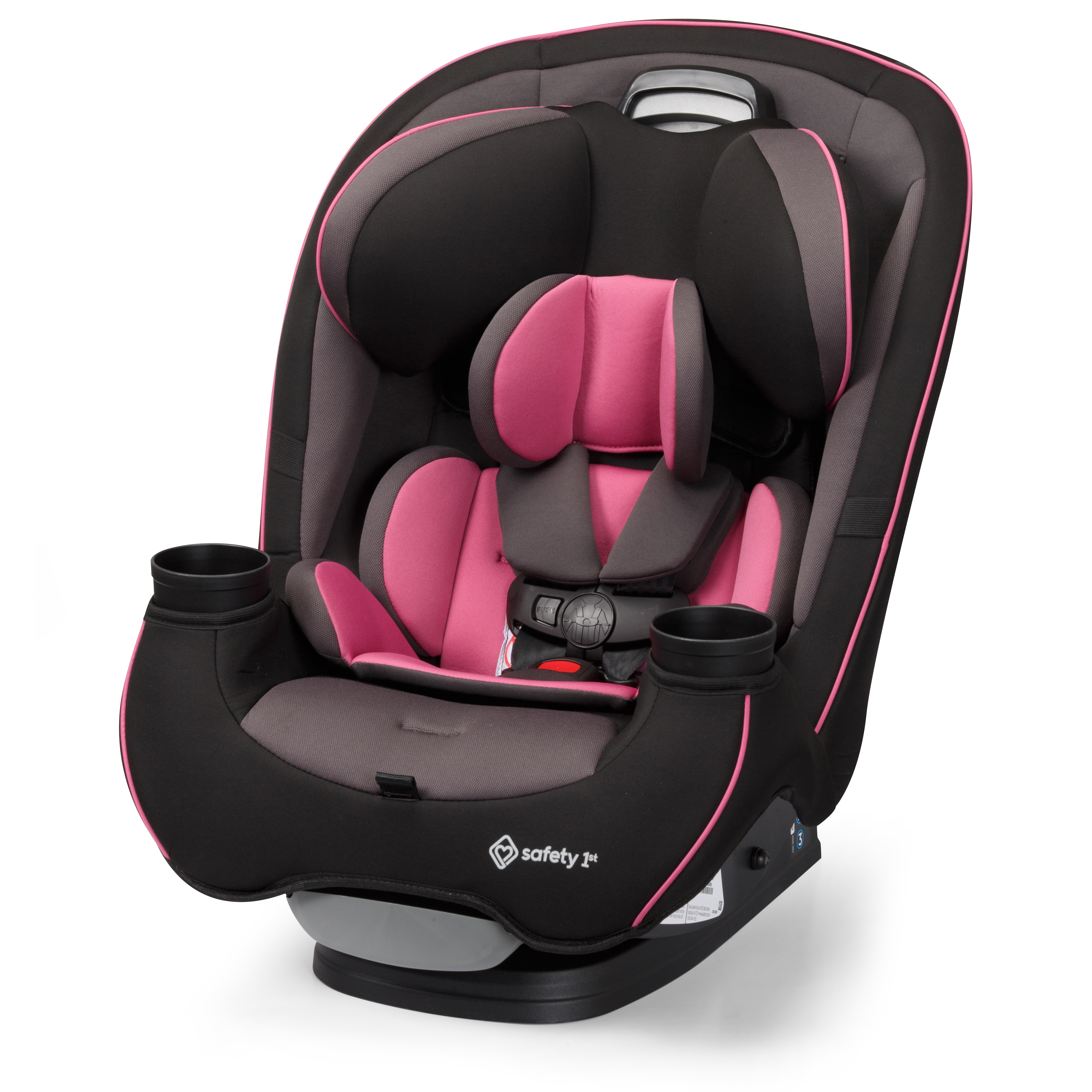
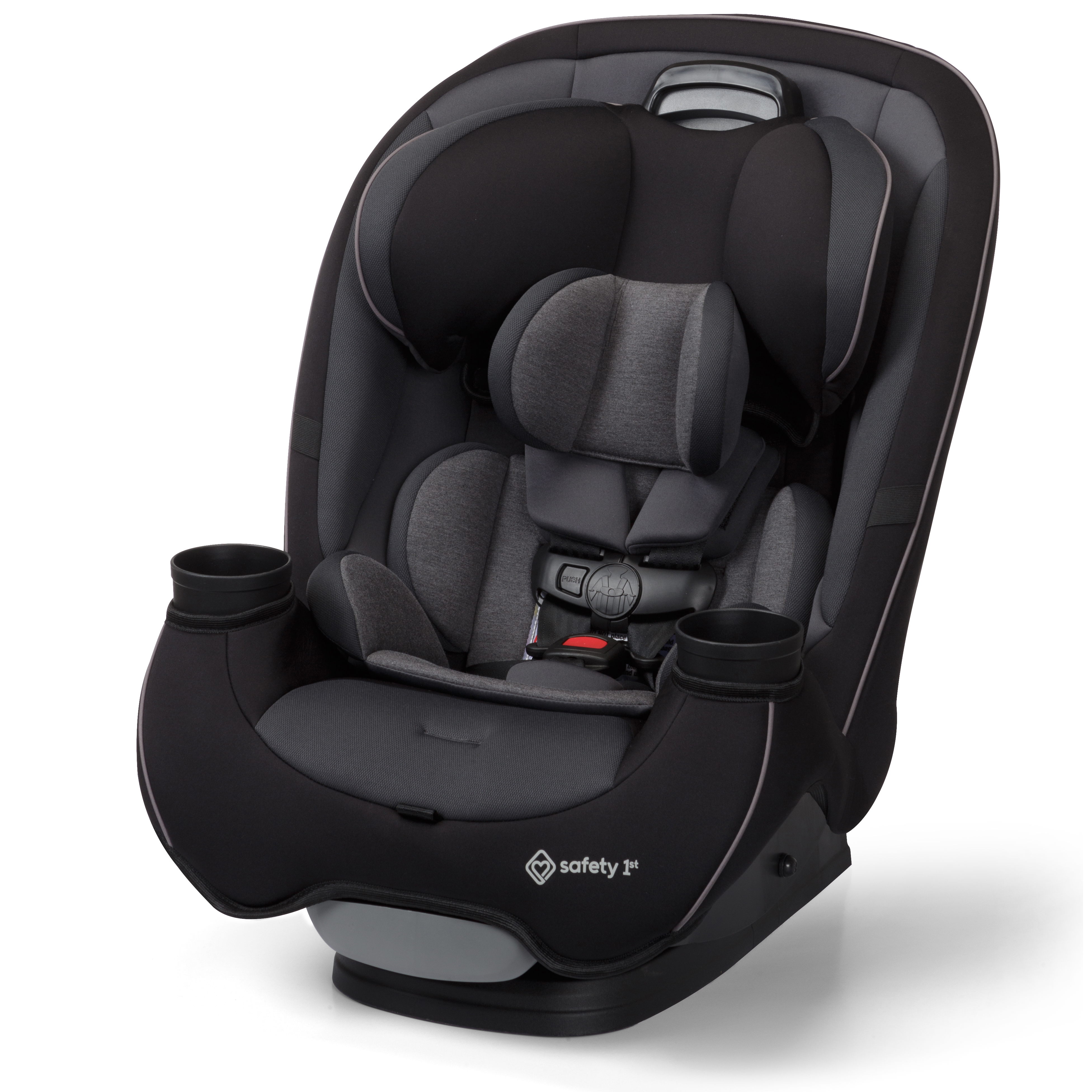
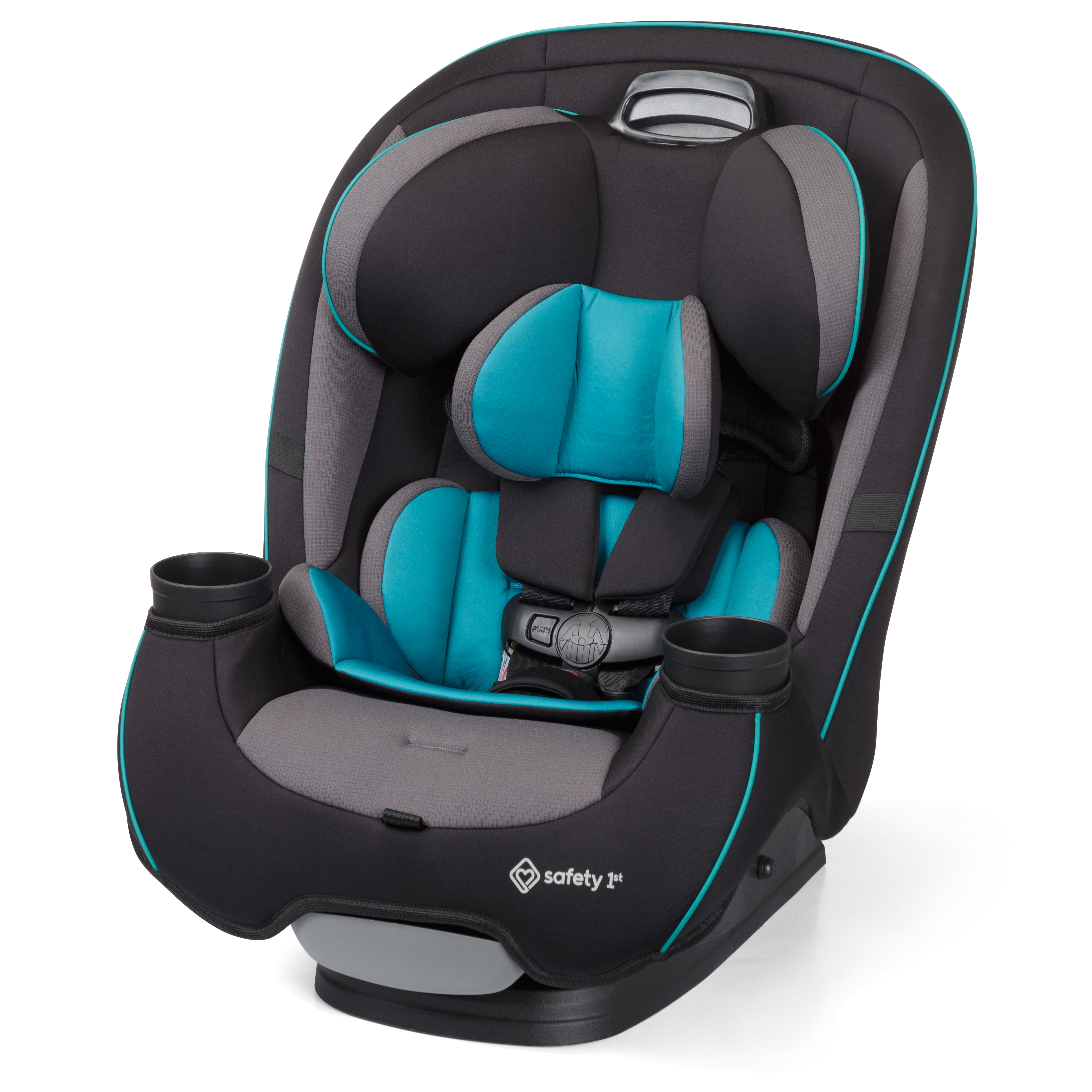
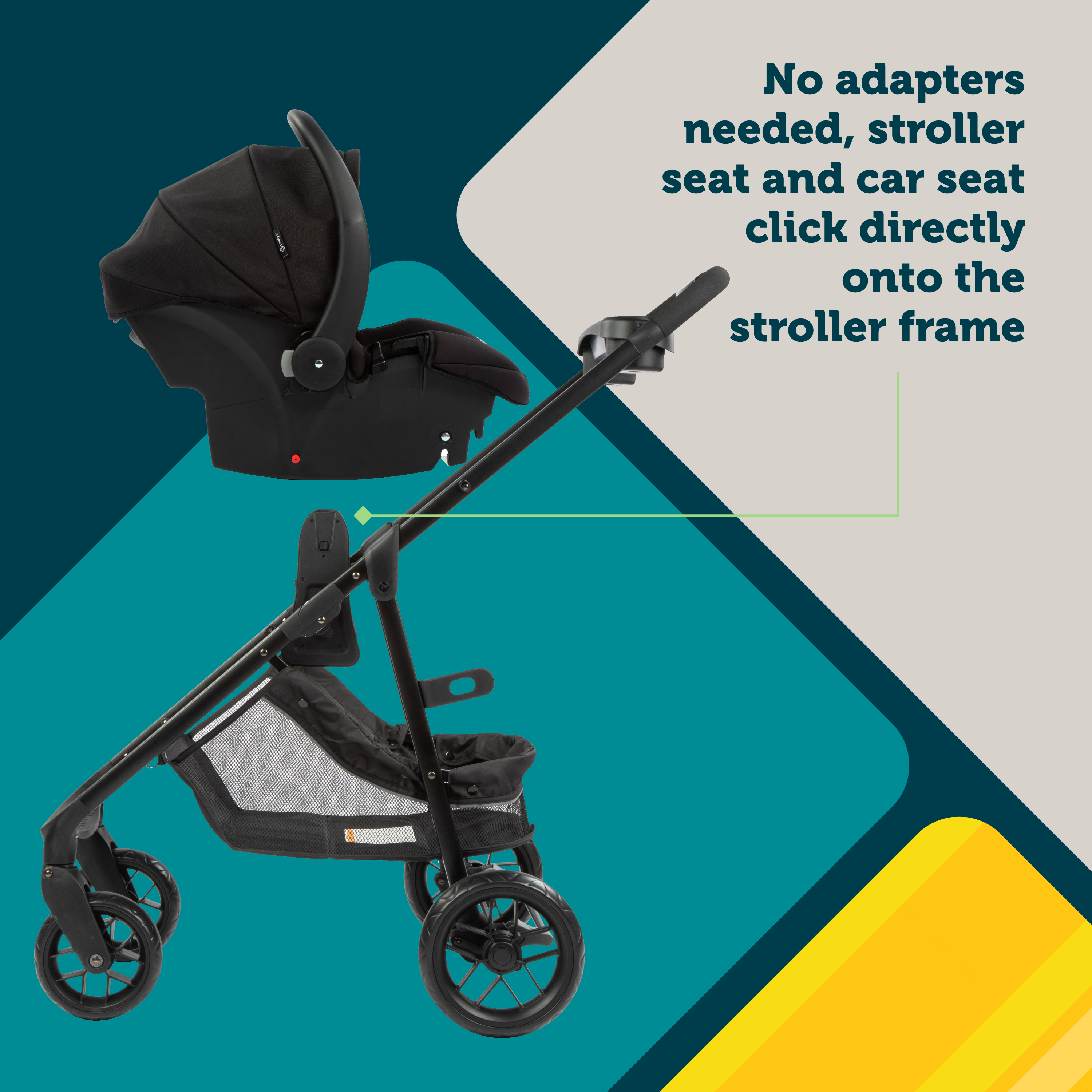
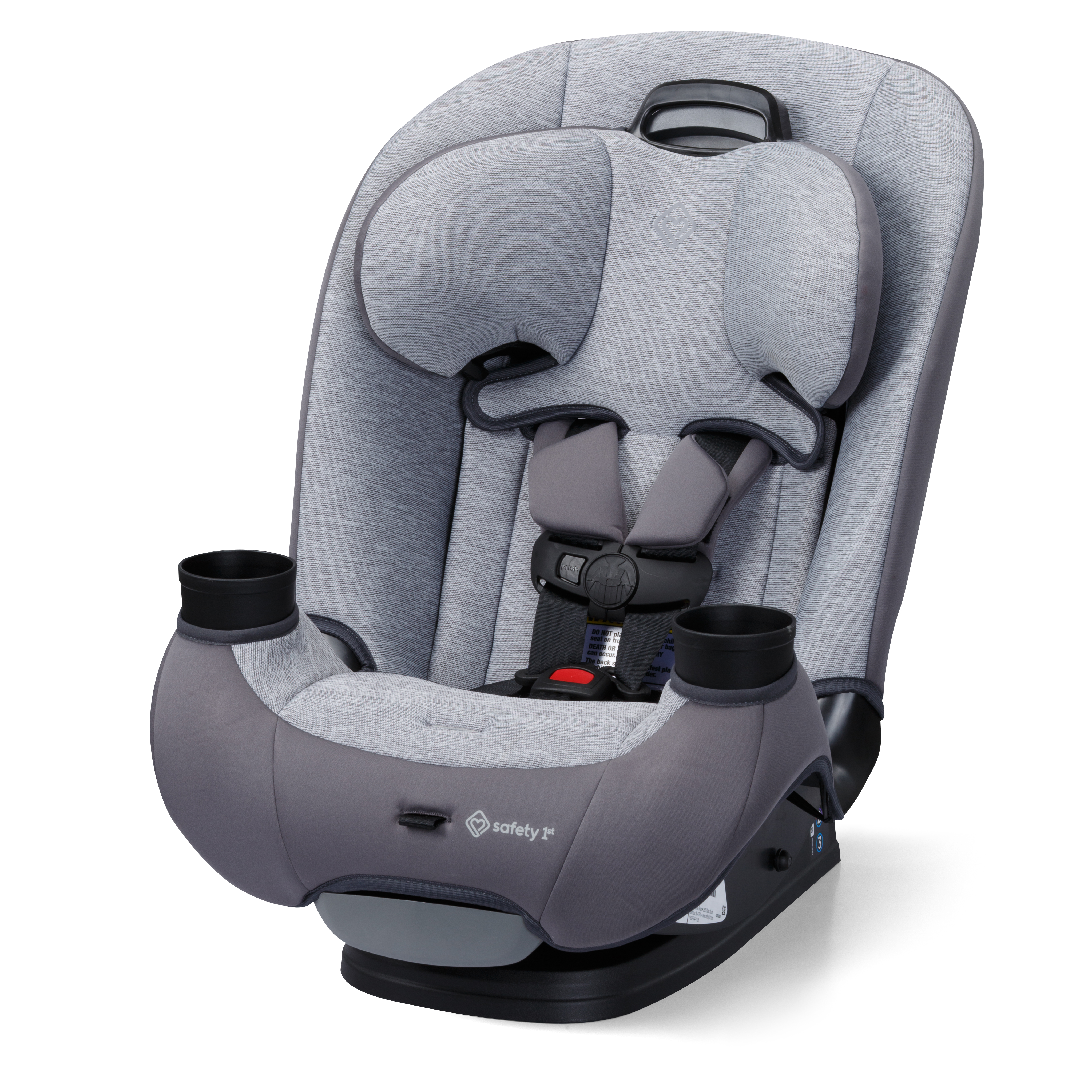
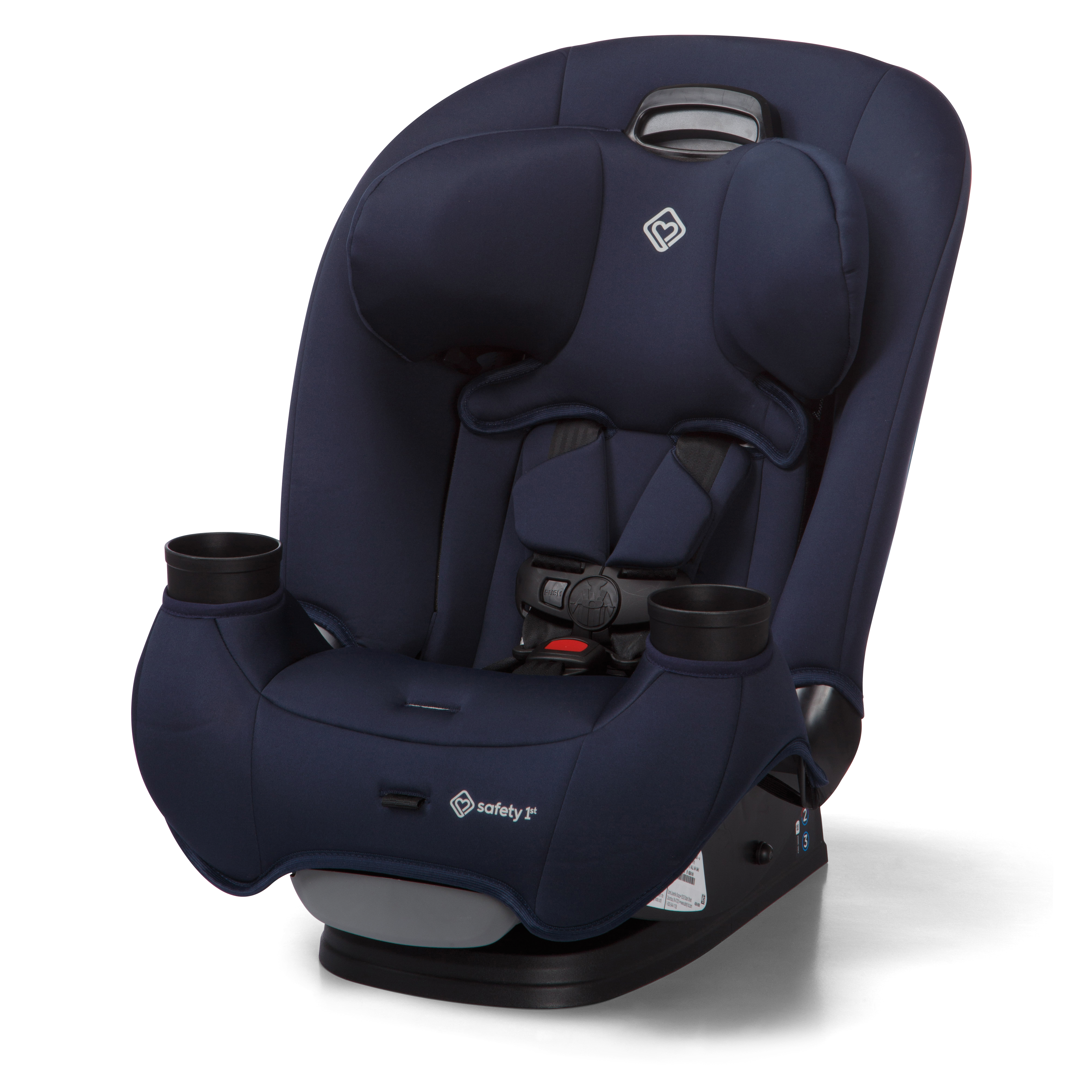
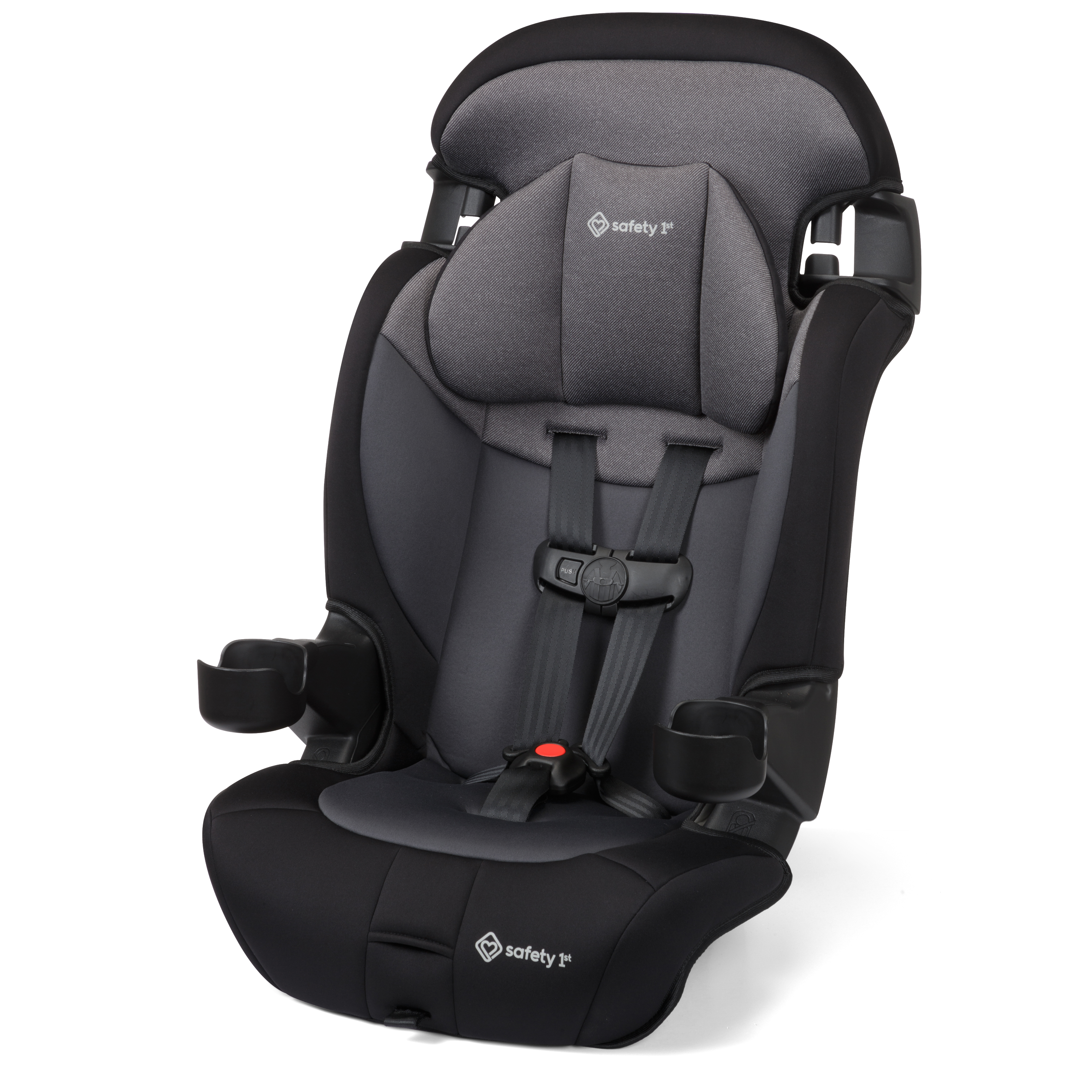
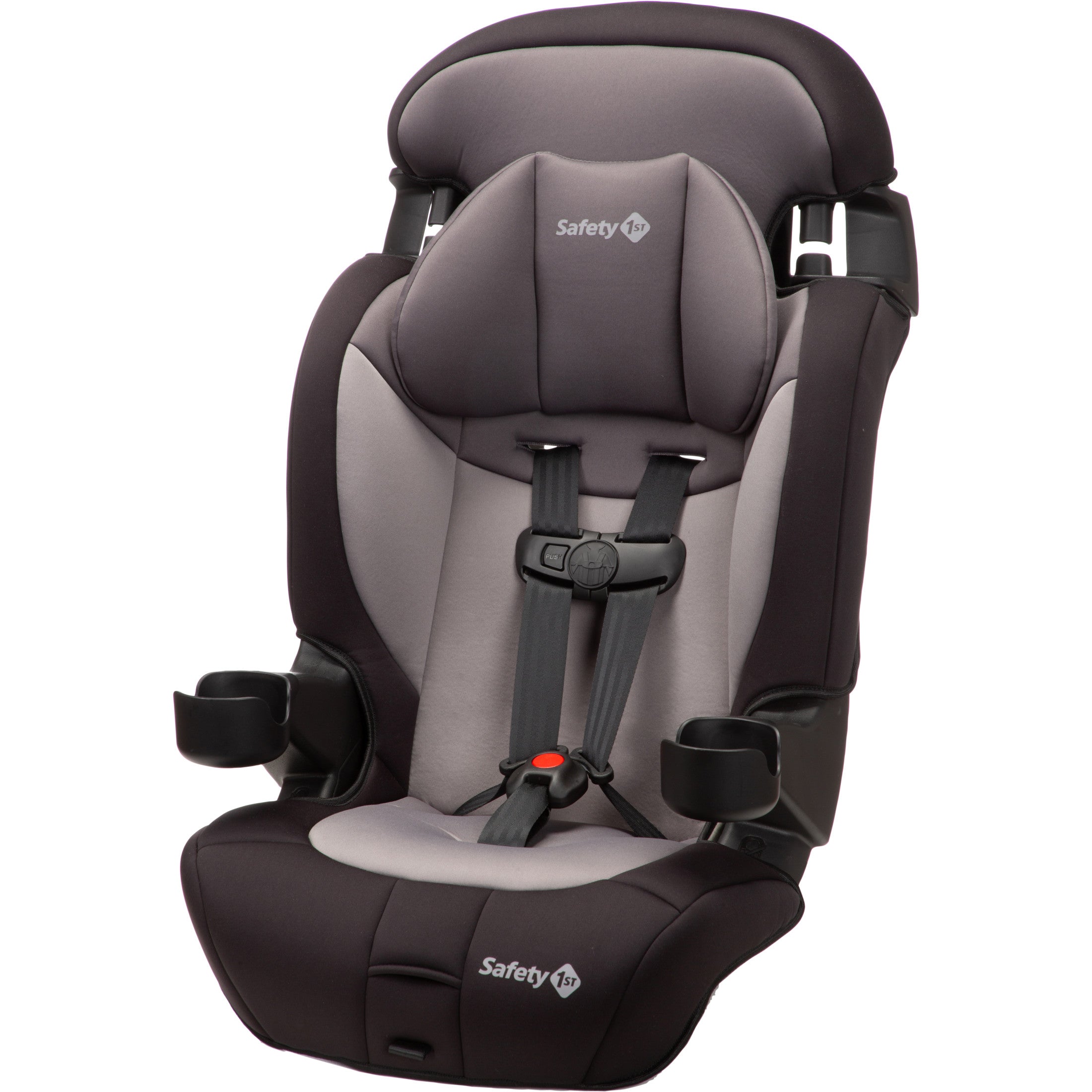
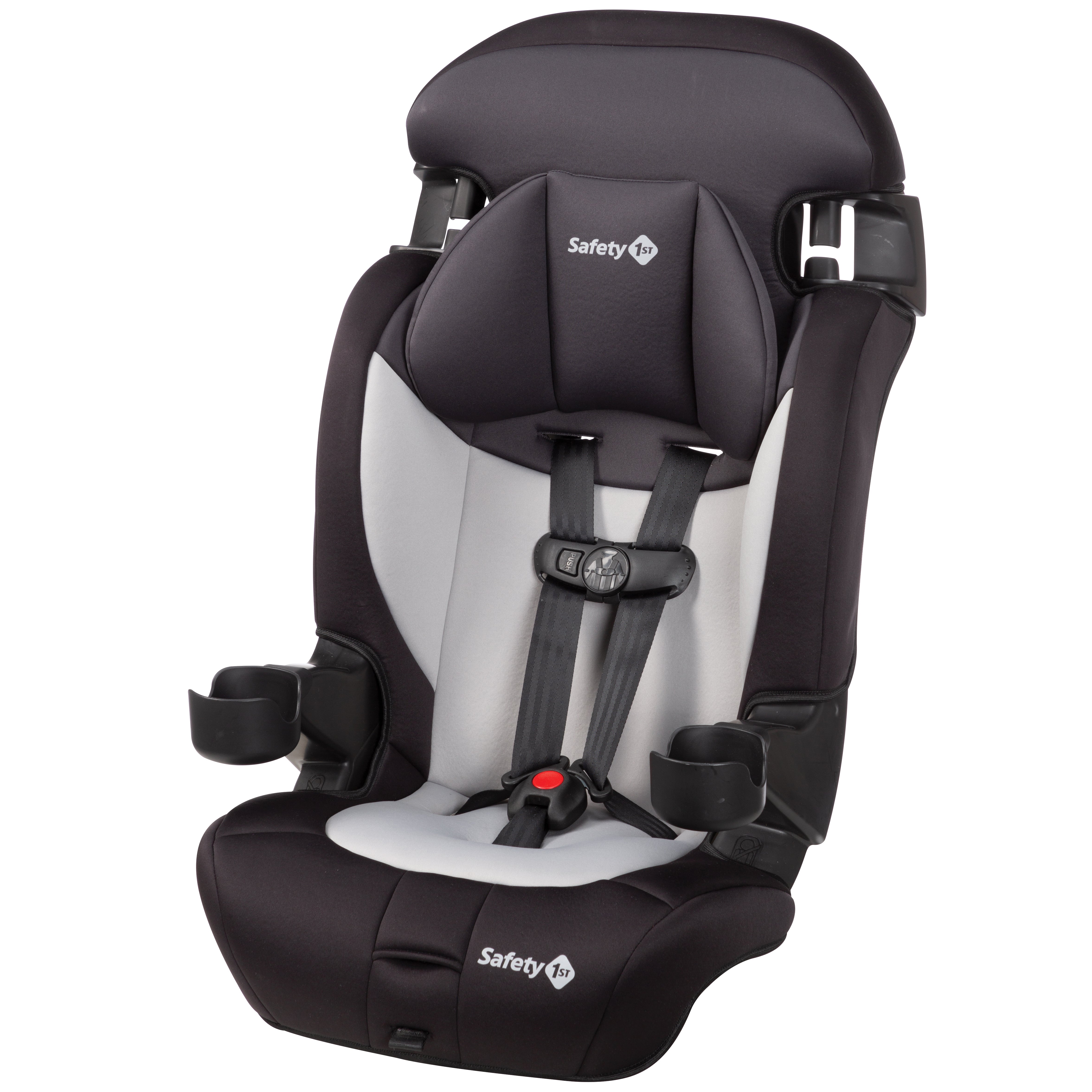
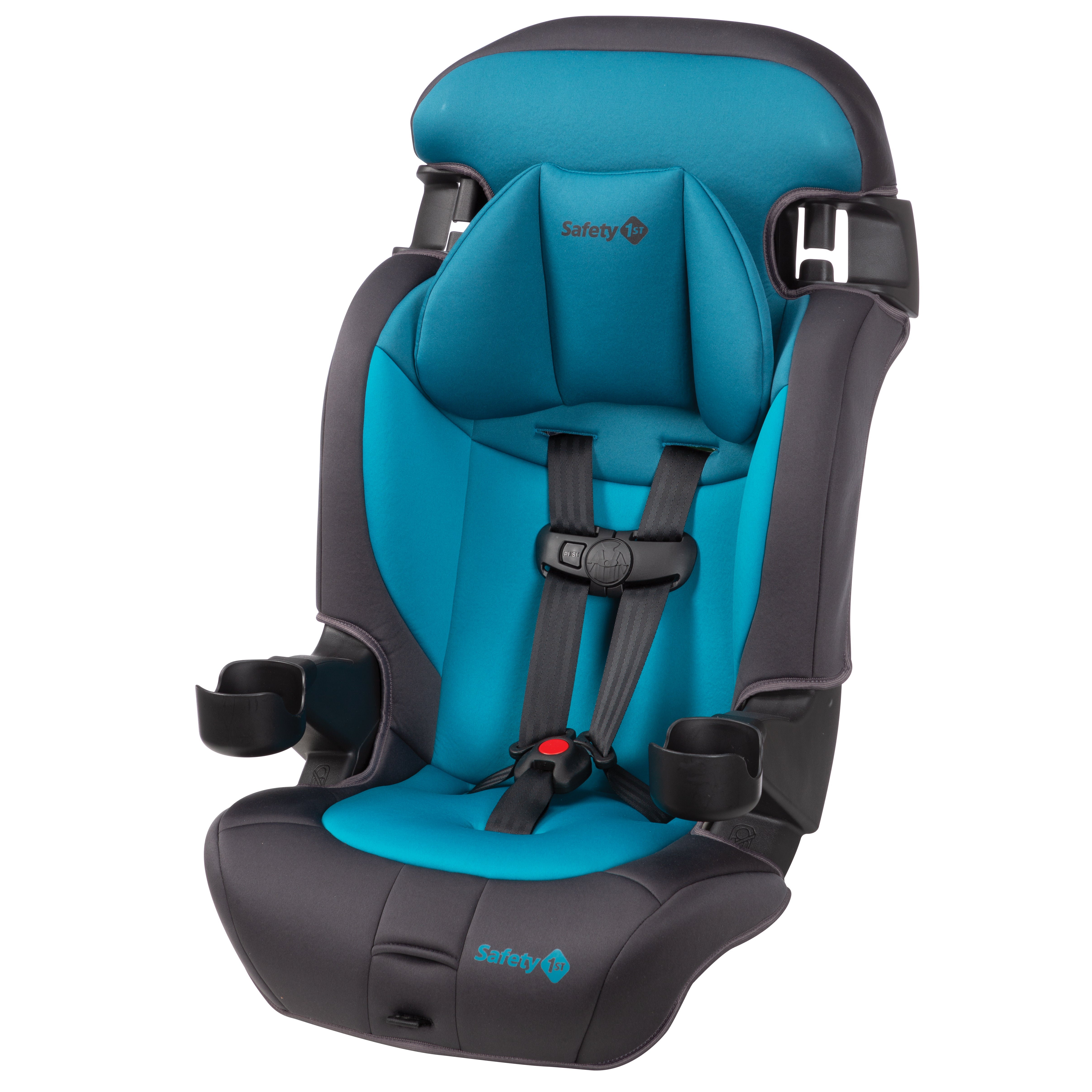
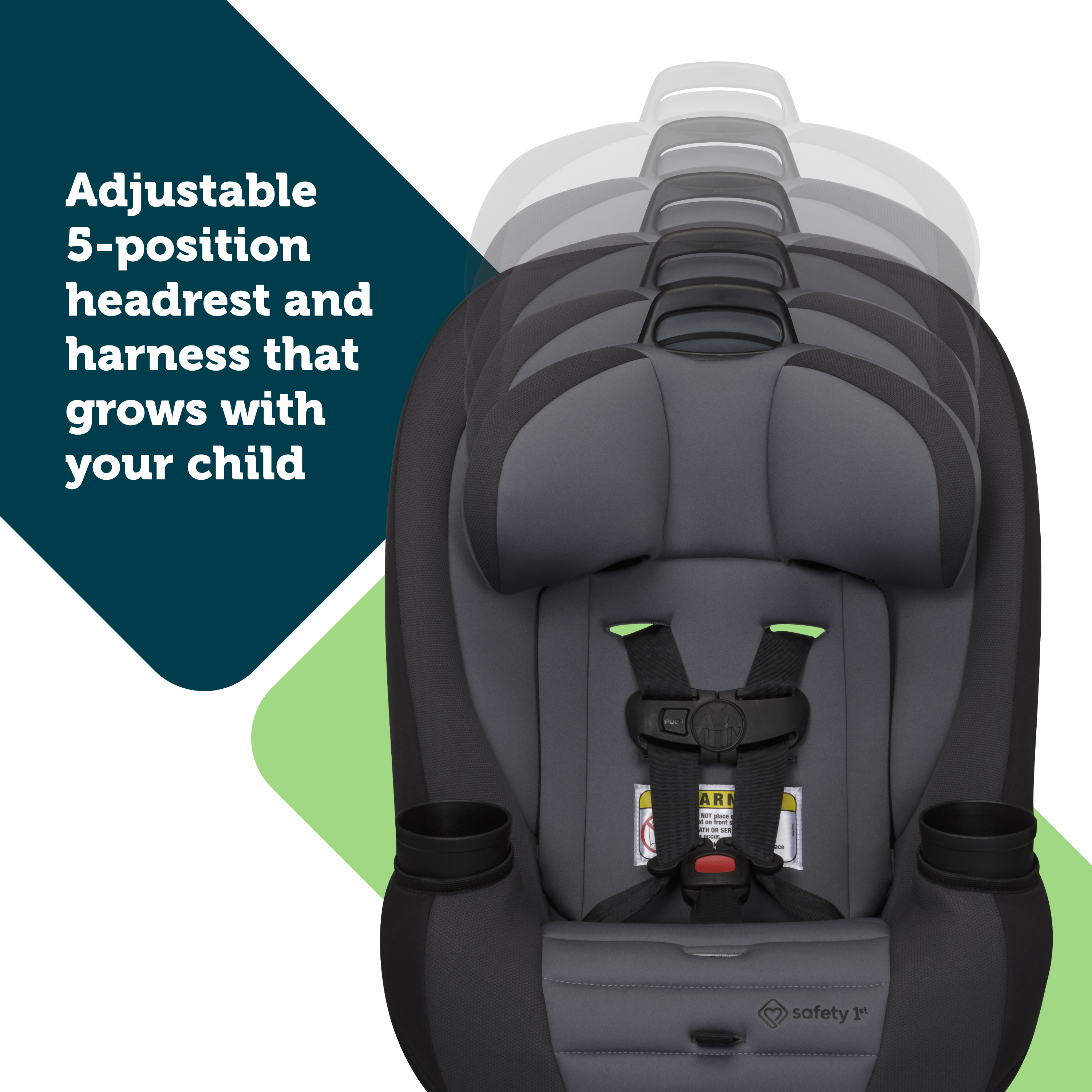
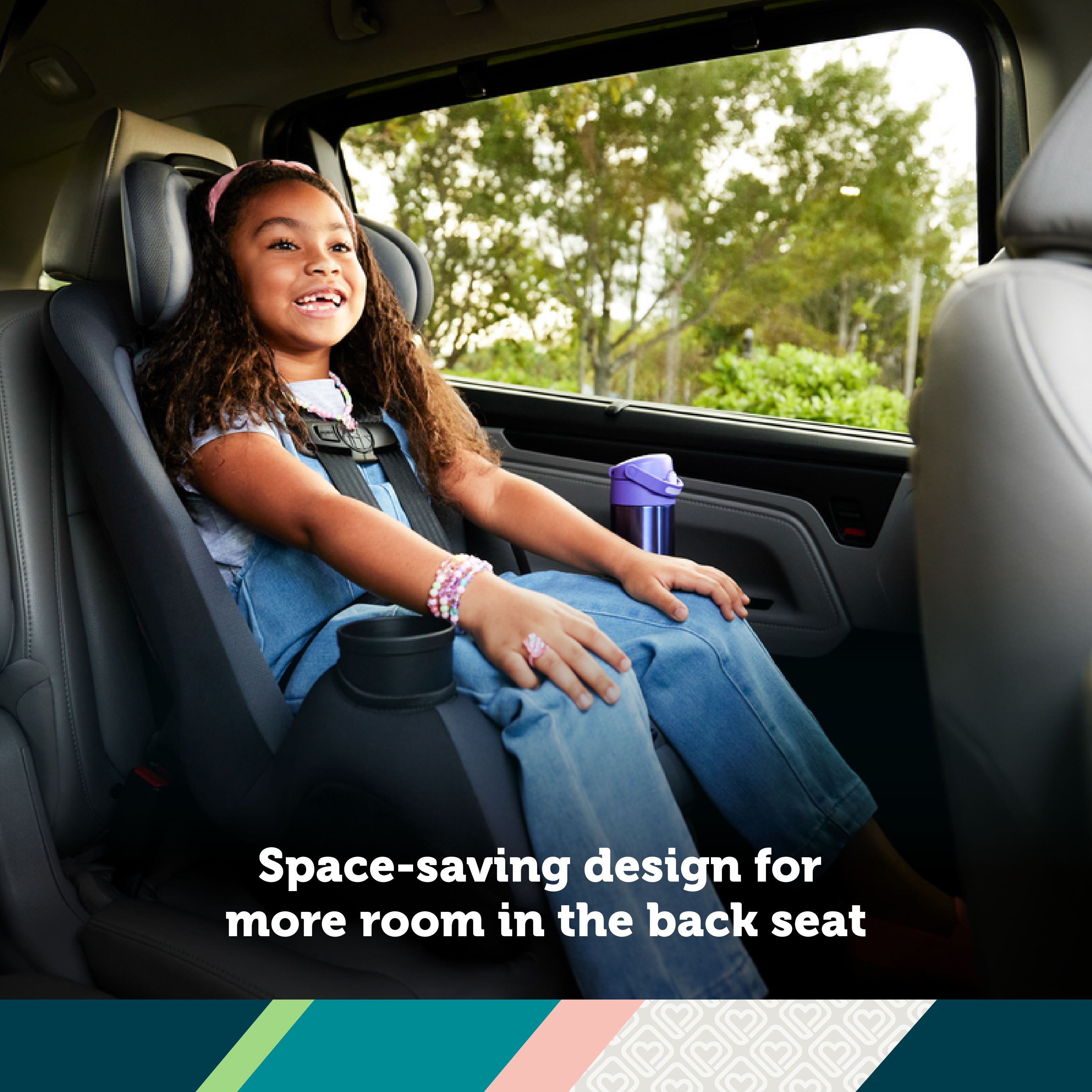
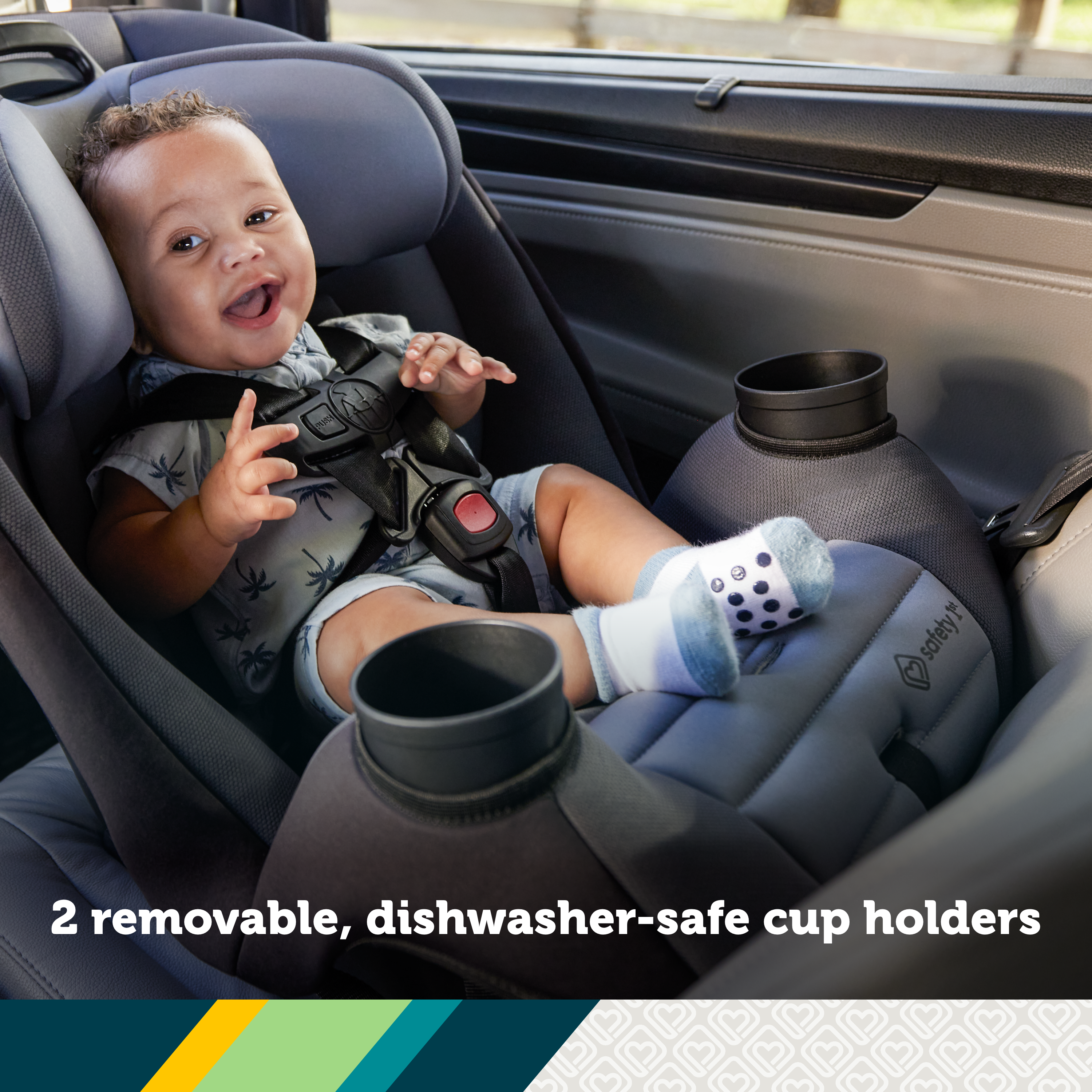
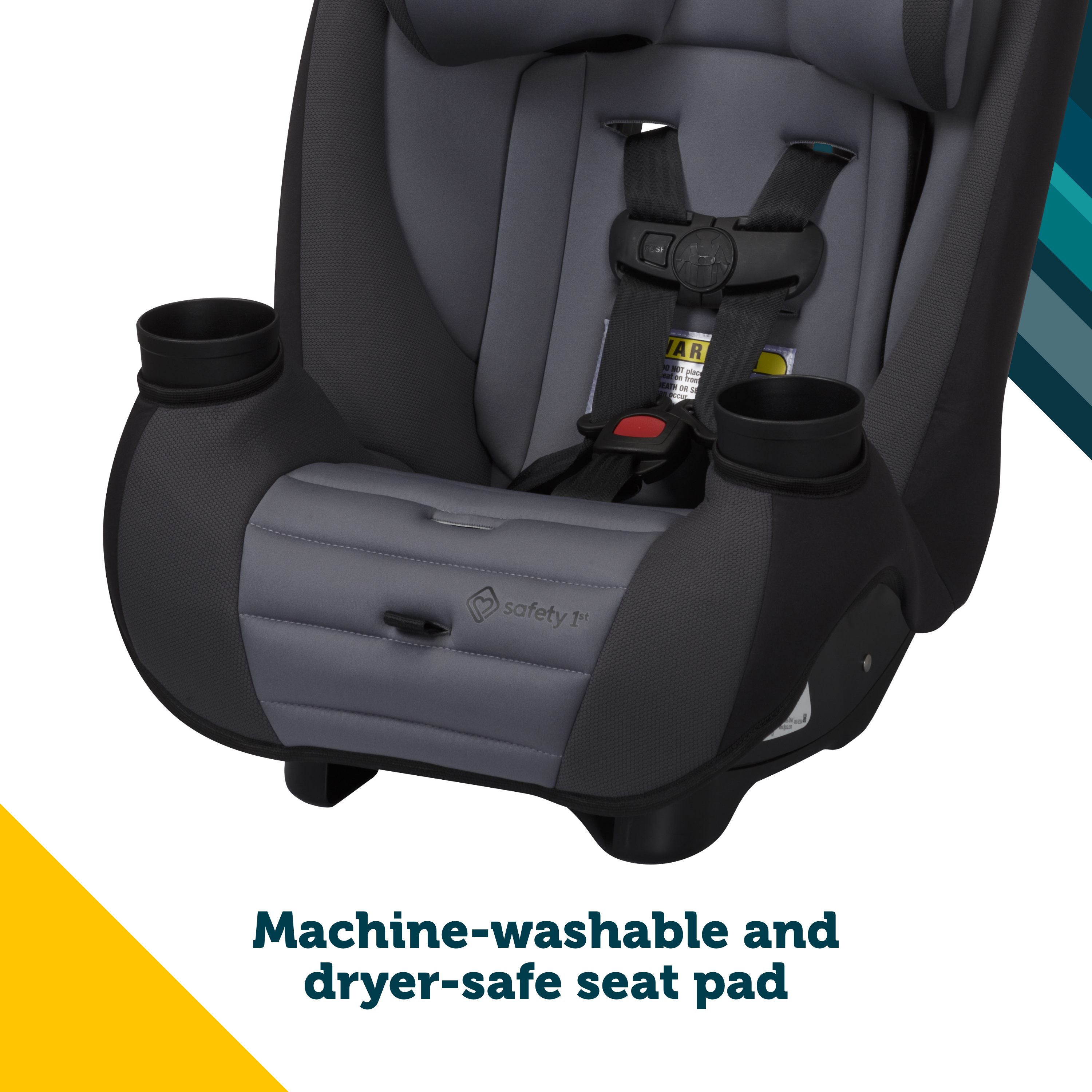
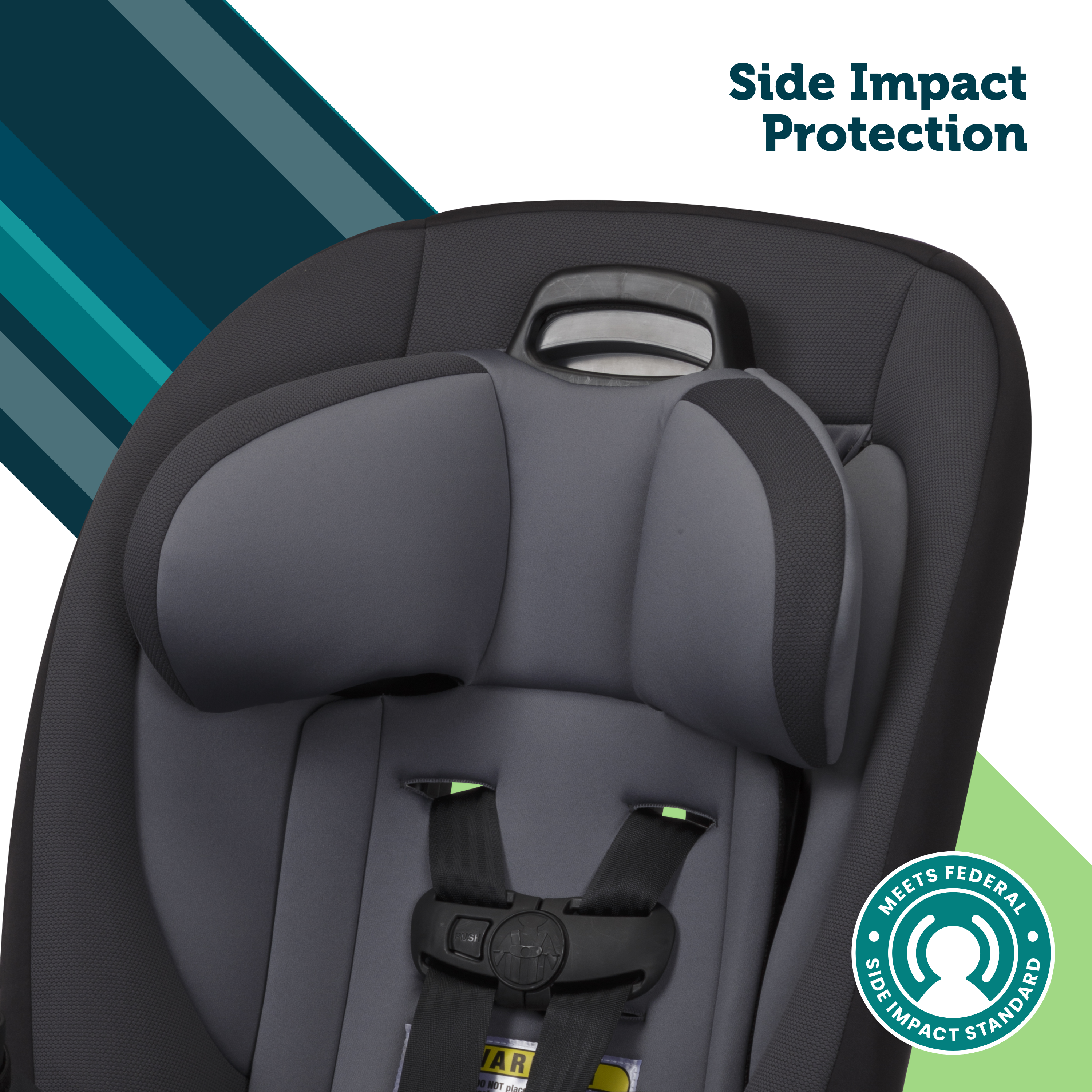
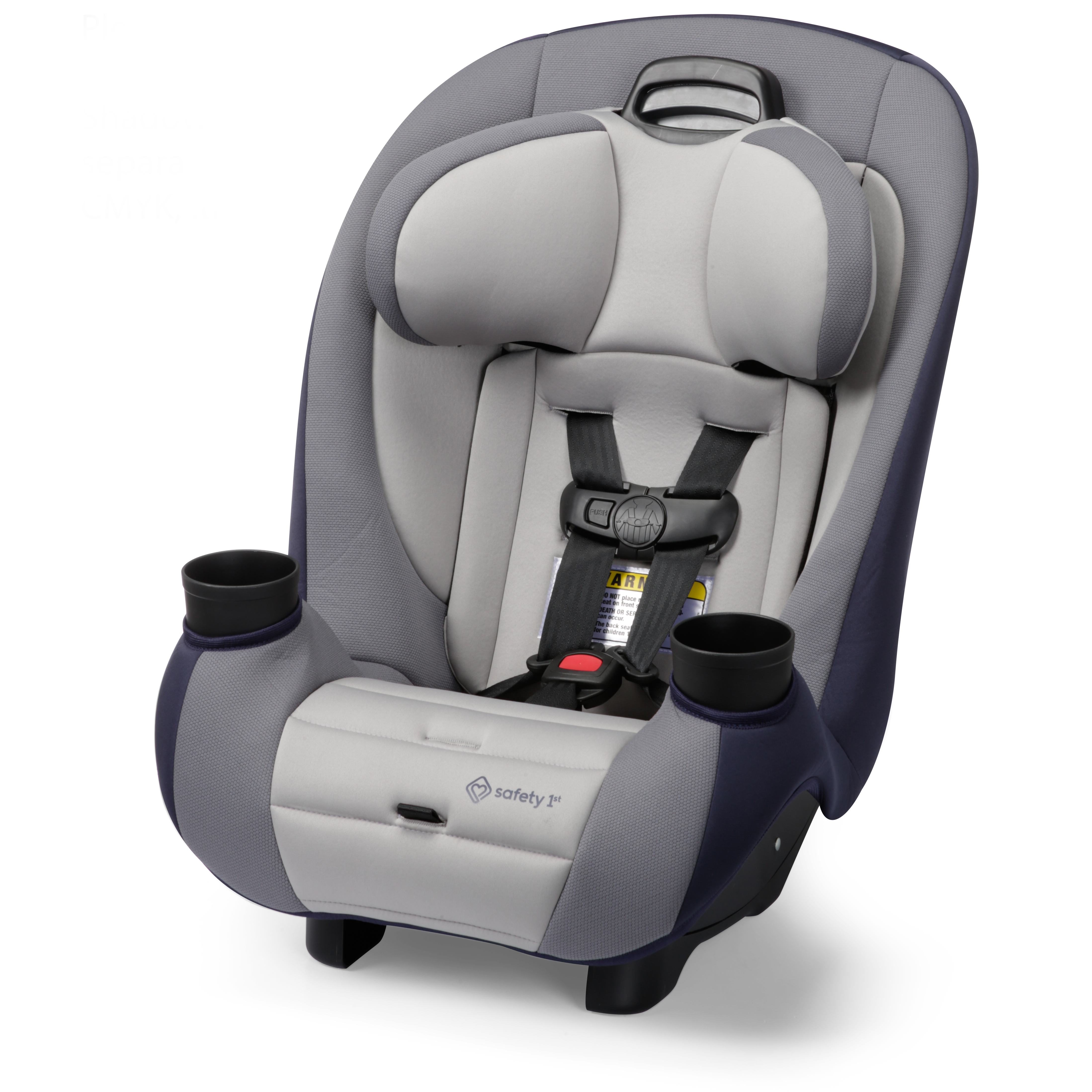
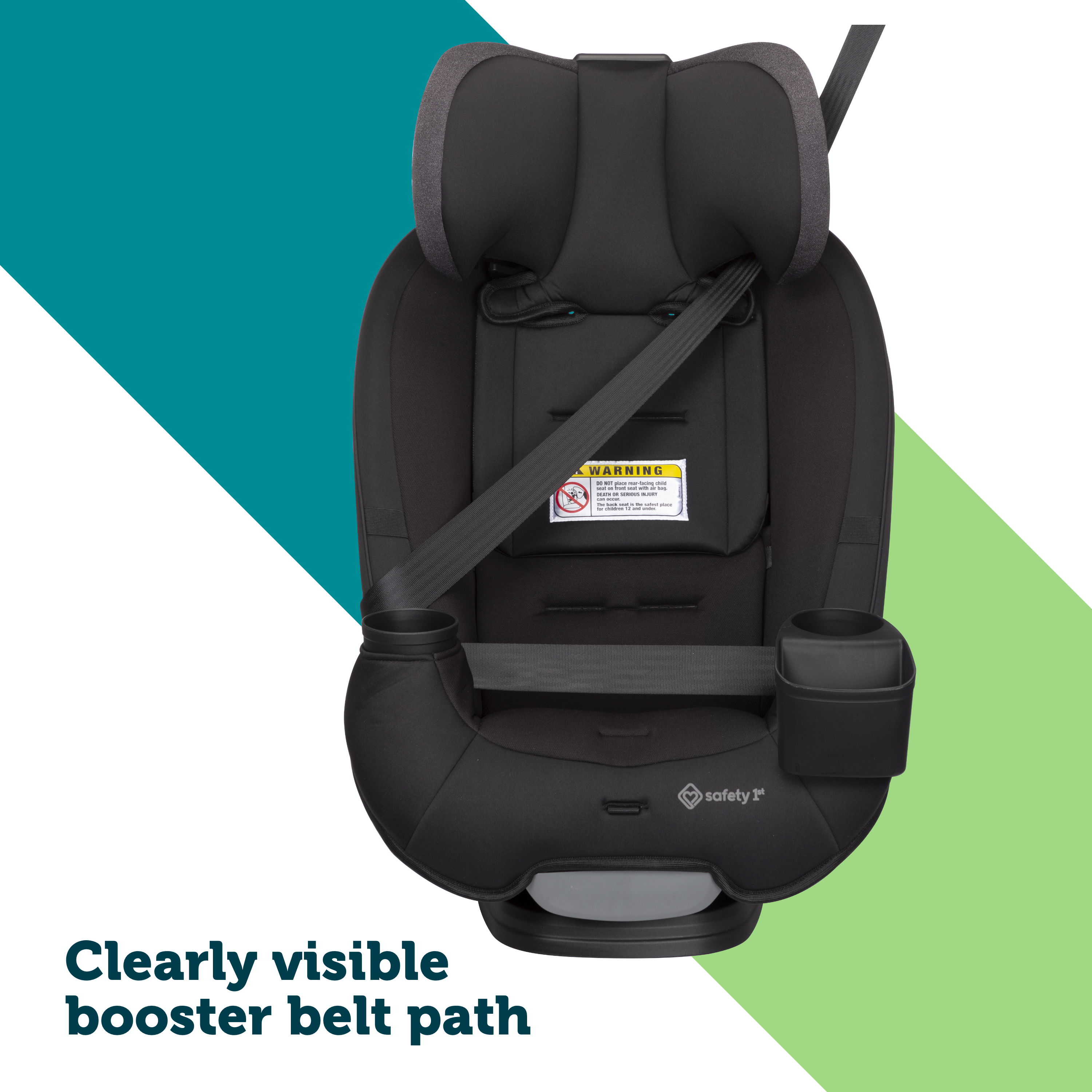
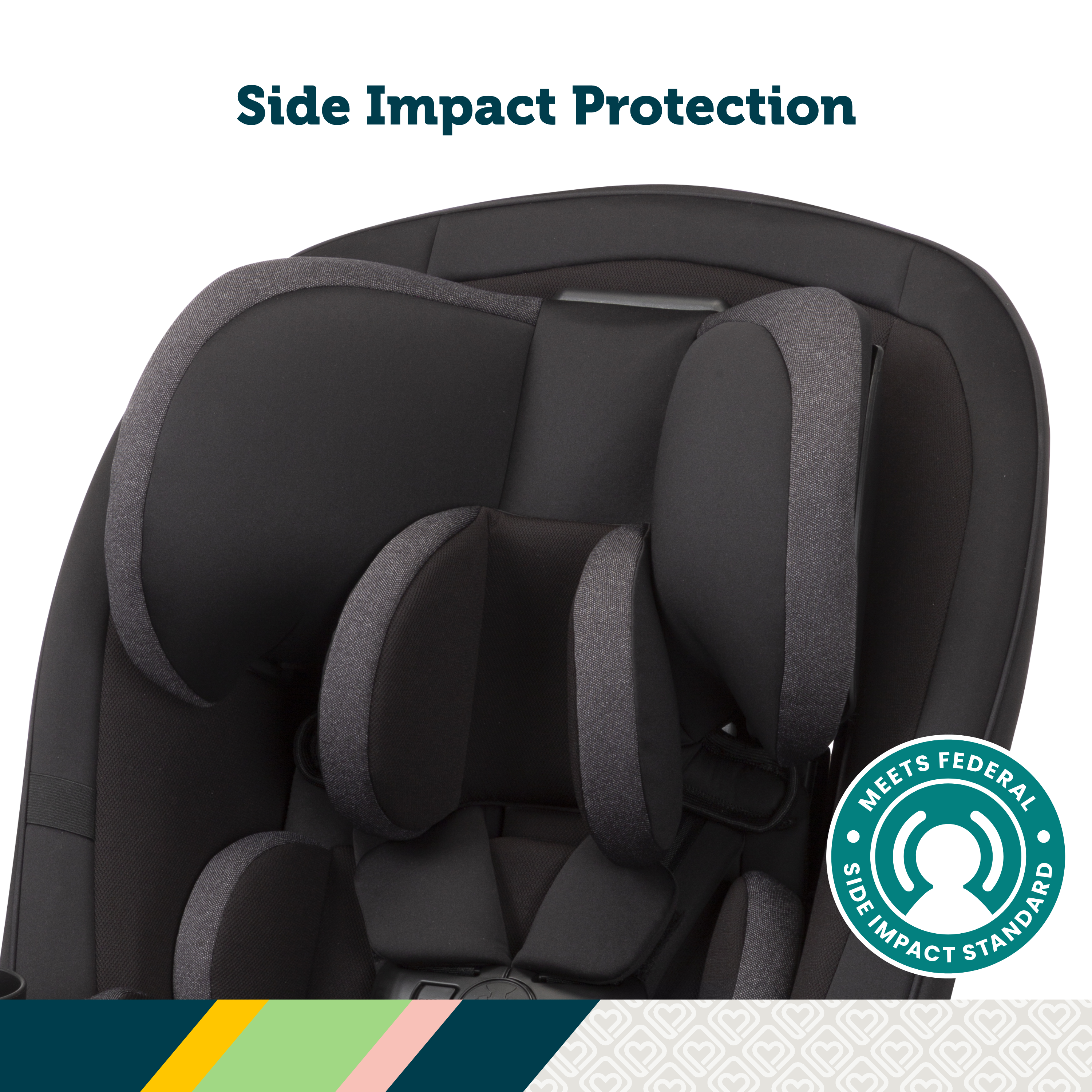
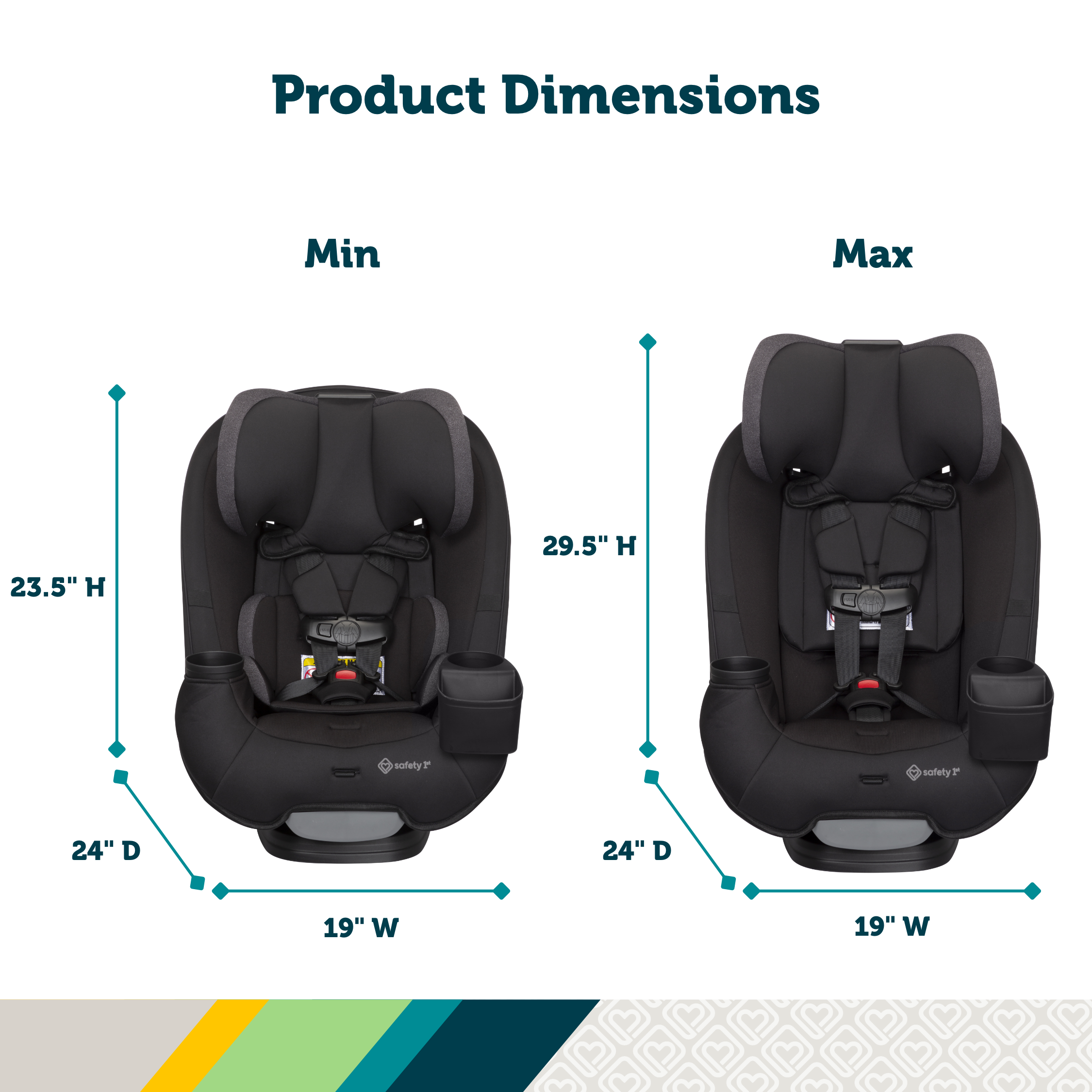
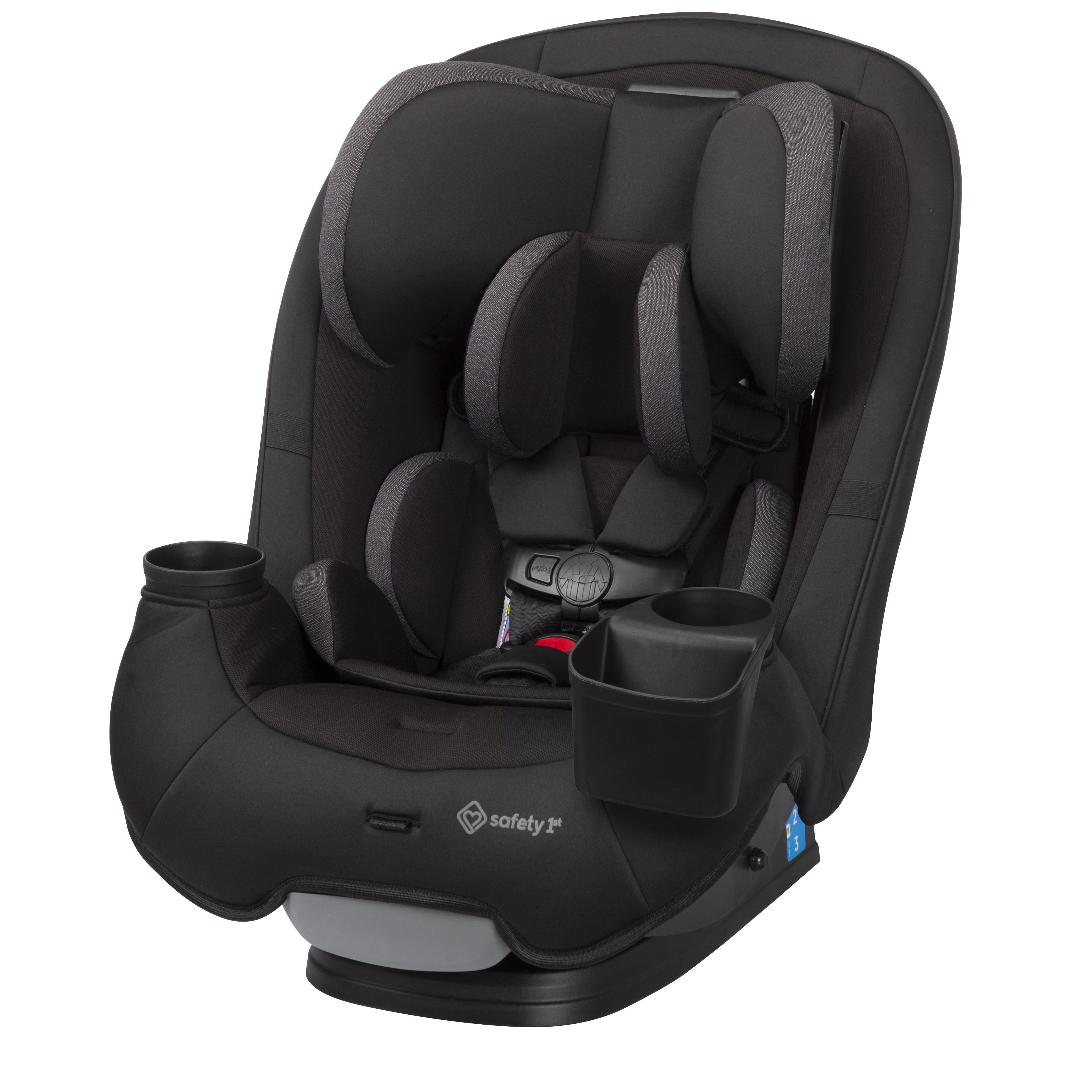
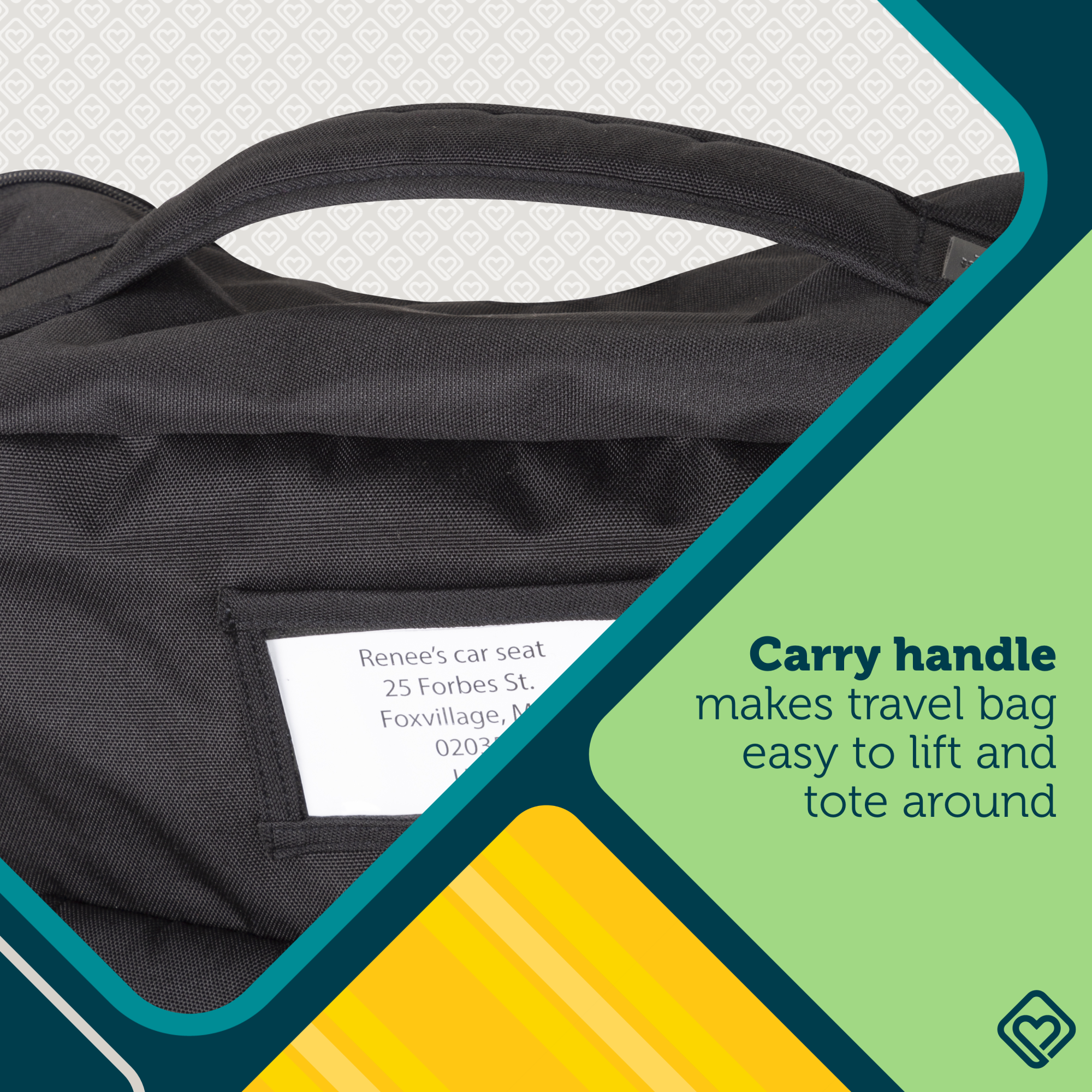
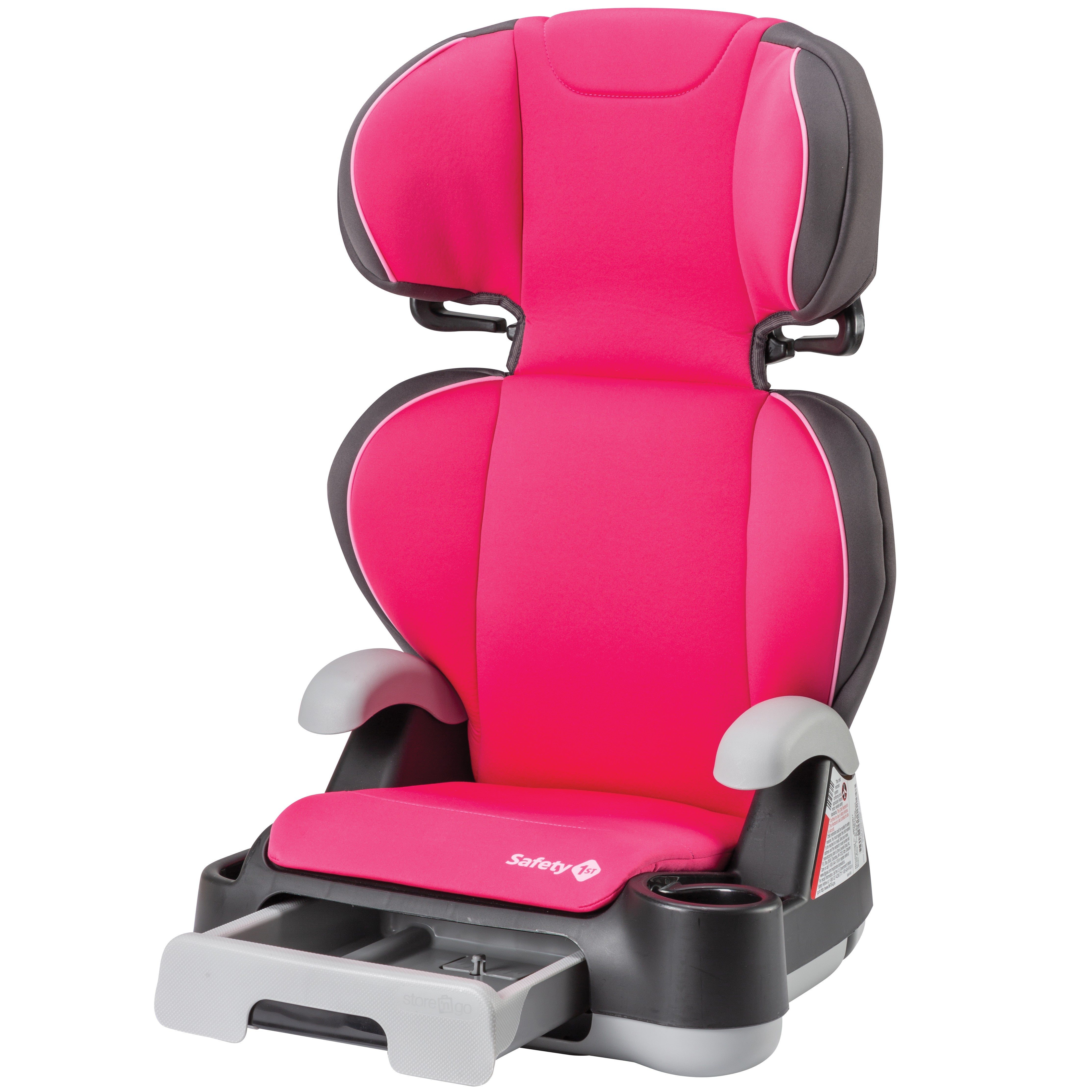
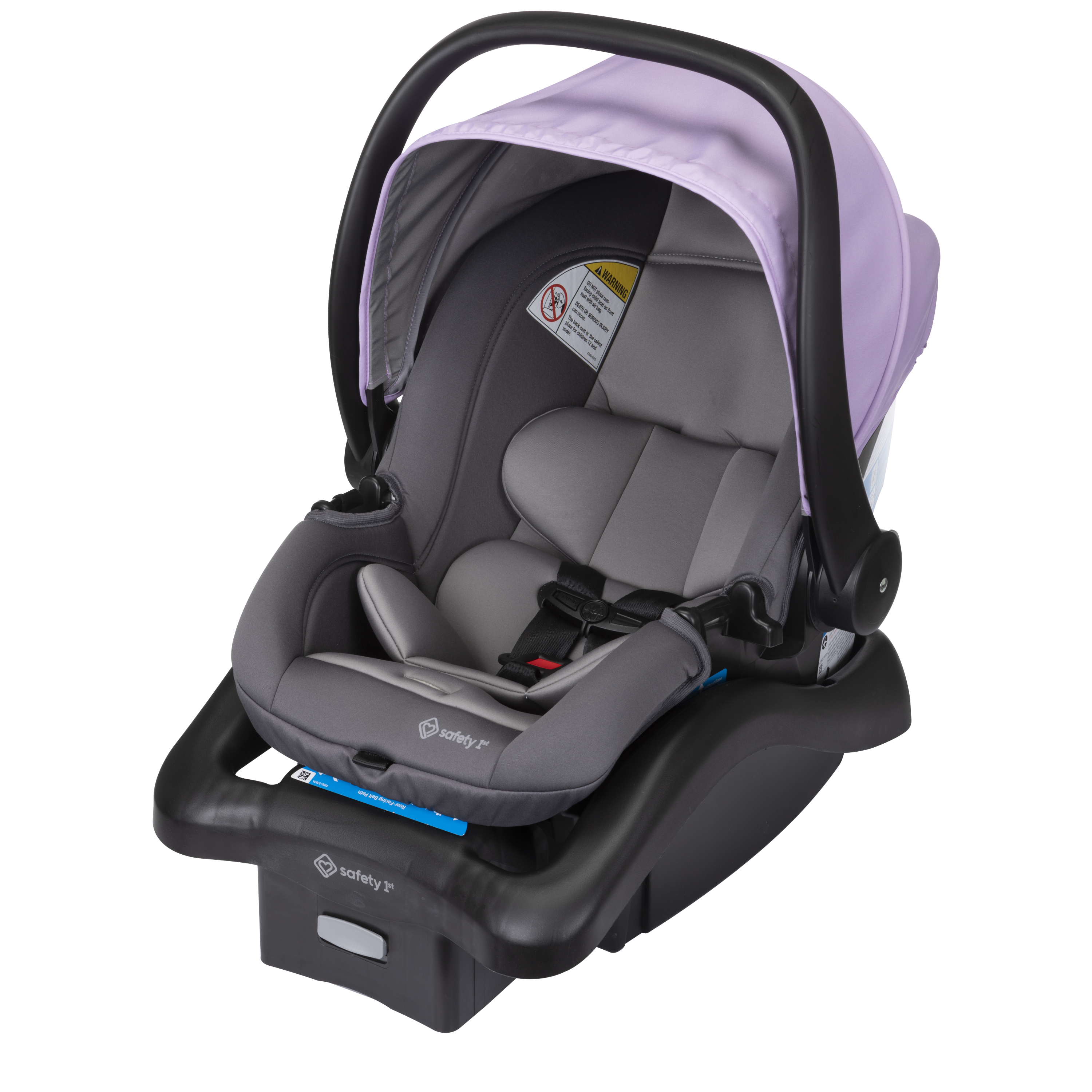
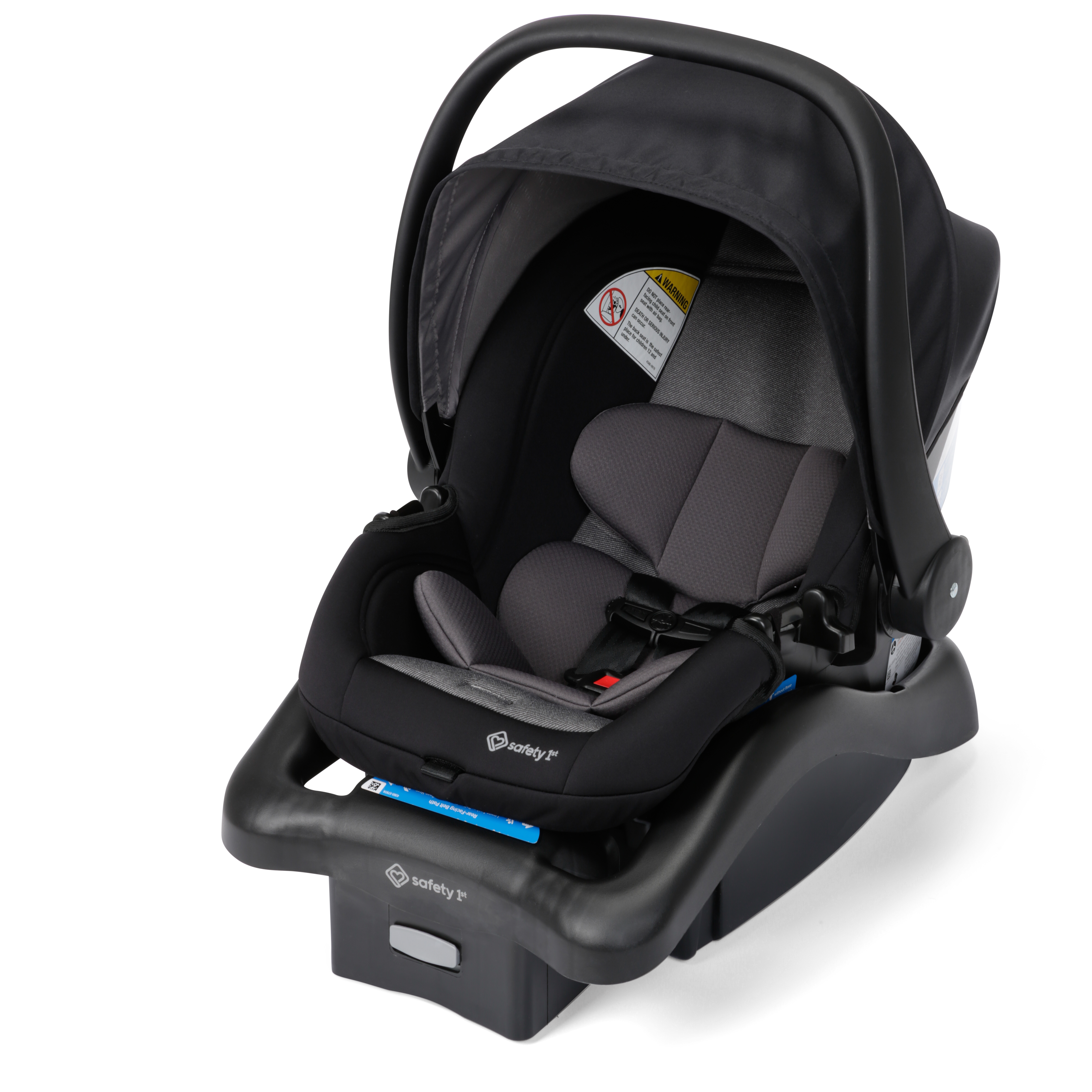
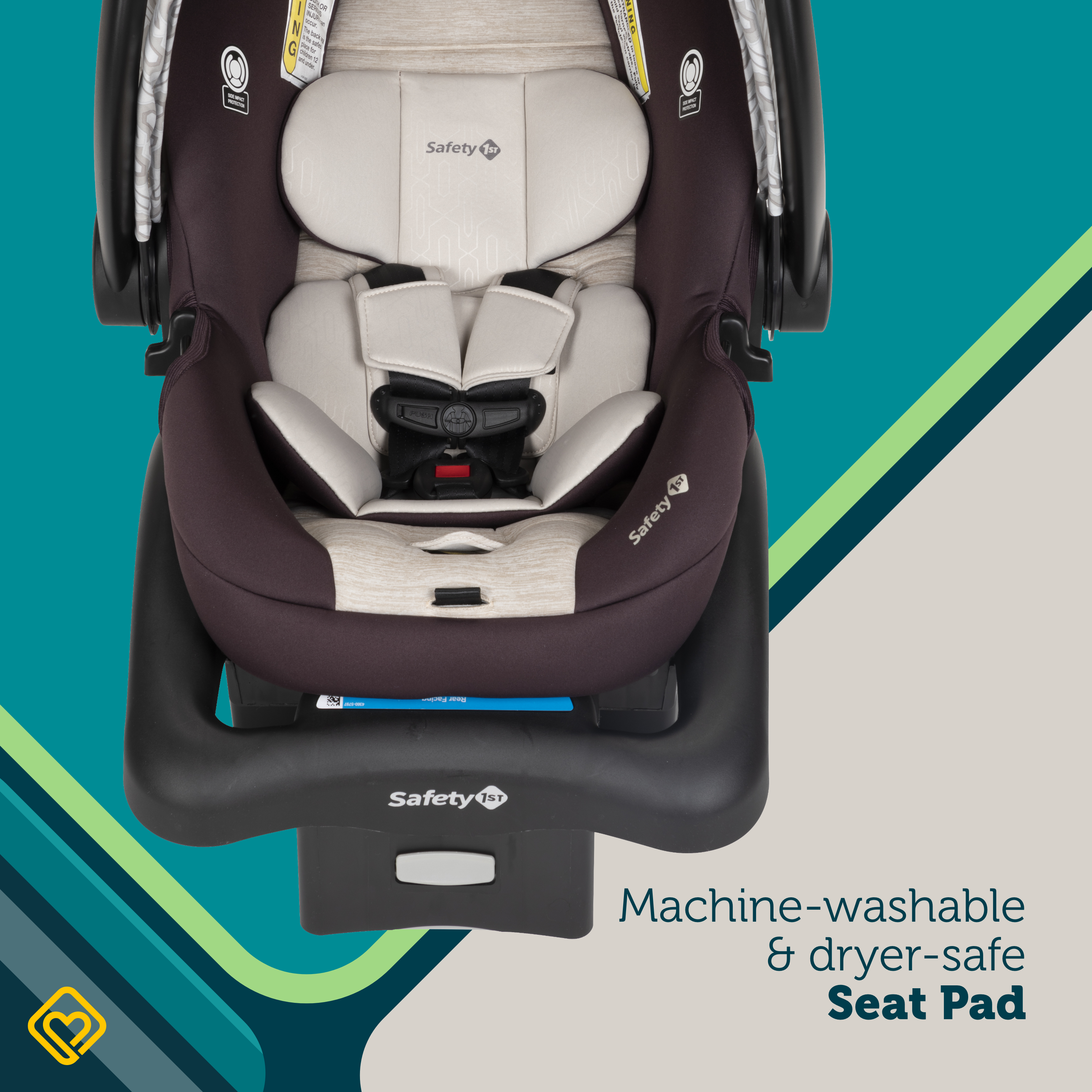
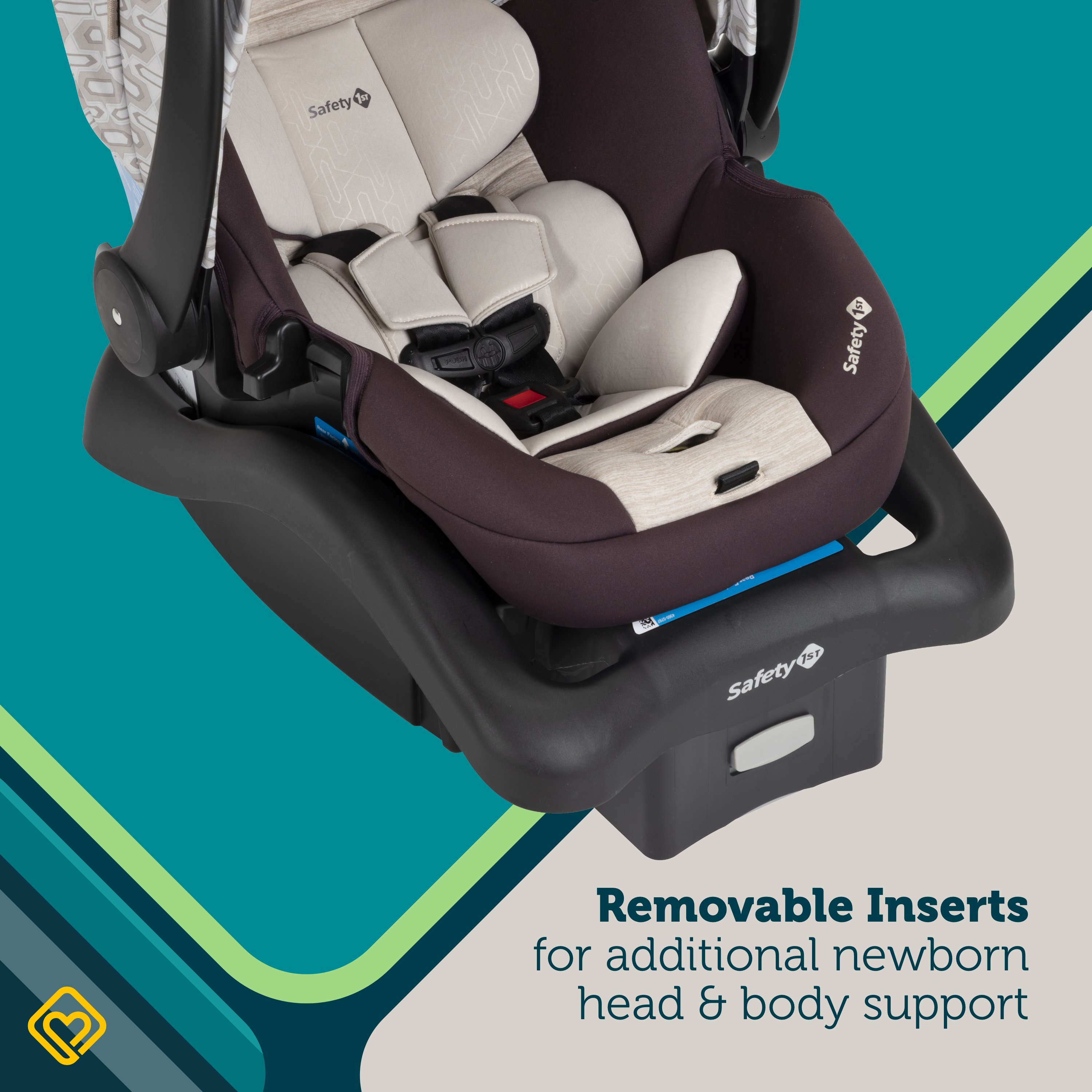
Purchasing a new car seat from a trusted brand like Safety 1st™ let’s you feel confident in every ride. You’ll also have the manual and the parts intended for the seat, helping make installation and everyday use that much simpler.
Check Your Car Seat’s Expiration Date
Car seats don’t last forever. Check your car seat for its expiration date and stop using it once that date has passed.
Car seats are safety tested for a specific period of time, so keeping track of the expiration date is another important part of car seat safety for babies and children.
Never Leave a Baby Alone in the Car
Never leave your baby unattended in a vehicle. A little one’s body temperature can rise three to five times faster than an adult’s, making time in a hot car especially dangerous.
Create a reminder that works for your routine. You might keep a baby item in the front seat as a visual cue or place something you’ll need—like a purse or bag—near the car seat so you have another reason to check the back before walking away.
Making Baby Safety Feel a Little Simpler
There’s a lot to think about when you’re caring for a baby, and their needs keep changing right along with them. Start with the basics: look at your home from their point of view, stay one step ahead of new milestones, keep everyday hazards out of reach, follow your baby gear and car seat guidelines, and stay close whenever your little one needs supervision.
You won’t be able to predict every creative idea your tiny explorer comes up with—and trust us, they’ll come up with plenty. But a little planning can help you feel more prepared for the first crawls, first steps, first rides, and all the everyday moments in between.
At Safety 1st, we’re here to help make those moments feel a little less complicated, so you can spend more time enjoying all the firsts.

Frequently Asked Questions About Baby Safety
What are the most important baby safety tips for new parents?
Babyproof your home, keep hazards out of reach, supervise baby gear use, use a crib or bassinet for sleep, and follow car seat guidelines.
When should parents start babyproofing their home?
Start before your baby becomes mobile, then update your babyproofing as they begin crawling, standing, and reaching new areas.
How can parents make bath time safer for a baby?
Always check the bath water before putting your baby in and keep the water temperature below 120°F. Stay close and supervise your little one throughout bath time.
How long should a baby stay rear-facing in a car seat?
Keep your child rear-facing until they reach the maximum height or weight limit specified for their car seat. Always follow the instructions and limits provided by the car seat manufacturer.
Where should a baby sleep safely at home?
Babies should sleep in a product intended for sleep, such as a crib or bassinet. If your baby falls asleep in another type of baby gear, move them to an appropriate sleep space for naps or bedtime.